
 Skip to content
 Agoraphobia can be very debilitating – it limits your personal and professional opportunities and often results in depression and social isolation. Luckily, there are ways to overcome this disorder and lead the fulfilling life every person deserves. If you are interested in agoraphobia treatment near Kentucky, our facility can provide you with a comprehensive agoraphobia overview to educate you on the nuances of this disorder and offer you a wide range of services and programs customized to your needs.
Reach out to Kentucky Wellness Center at (270) 355-7231 or visit our Contact Us page and get access to the best agoraphobia treatment in Kentucky to change your life.

Hana Giambrone

Lori Humphrie

Dr. Jason Miller
Agoraphobia refers to a severe anxiety disorder defined by the irrational and intense fear of situations where the person’s escape can be difficult or impossible. Sometimes this word is used to explain that the individual is afraid of open spaces but agoraphobia is more than just that – it means that the person is anxious and worried about ending up in a place or situation that may make them feel helpless or embarrassed. To avoid experiencing these negative emotions, the individual will stay away from large crowds and public transport, and multiple people with agoraphobia choose not to leave their homes.
Many patients are diagnosed with other mental health conditions on top of their agoraphobia – it can manifest when the symptoms of generalized anxiety disorder (GAD) or avoidant personality disorder (AvPD) occur and further complicate your life. Make sure you talk to your therapist about integrated care available for patients with similar symptoms – co-occurring mental health disorders need to be addressed simultaneously to achieve lasting and profound recovery.





Agoraphobia does something no other anxiety disorder does in quite the same way – it turns your home into both a refuge and a prison. The comfort you feel inside your safe space is real, but it comes at a cost that compounds every day you stay there. Errands go undone. Appointments get canceled. Social connections fade because the effort required to leave the house – physically walking out the door, getting in a car, entering a store – feels disproportionate to anything you could gain from it.
Your world becomes physically smaller. The geographic range you are willing to travel contracts over months and years until even short trips feel overwhelming. Some people with agoraphobia can still manage specific routes – the drive to a familiar grocery store, the walk to a neighbor’s house – but anything outside that narrow perimeter triggers intense dread. New places are out of the question. Travel is impossible. The spontaneity that makes life interesting disappears entirely.
The dependence on others is one of the hardest parts. You may need someone to accompany you on basic tasks – picking up prescriptions, attending appointments, grocery shopping – and that reliance strains even the strongest relationships. Partners become caretakers, and the guilt of needing them for things you used to do independently adds a layer of shame to an already painful condition. Over time, this dynamic can breed resentment on both sides, damaging the very relationships that keep you connected to the world.
Treatment at Kentucky Wellness Center helps you expand the boundaries agoraphobia has drawn around your life – systematically, safely, and at a pace that builds real confidence rather than forcing premature exposure.
Agoraphobia develops due to a combination of factors – if you were a victim of physical or sexual abuse, had to deal with the death of a loved one, or were assaulted, it might make you agoraphobic. Genetic variables, family history, and a chemical imbalance in the person’s brain are also at play here – agoraphobia often runs in families, and numerous individuals with this condition have to deal with the neurotransmitter imbalance which often results in various mental health issues.
The presence of co-occurring mental health conditions is yet another factor – if you have a specific phobia or GAD, you may develop agoraphobia later in life. Eating disorders are commonly associated with agoraphobia, and people who misuse alcohol and drugs are also at risk. Make sure you keep yourself healthy, cope with stress using relaxation and grounding techniques that have been tested by time, and stay in touch with your loved ones to reduce the impact of agoraphobia on your daily functioning.
Agoraphobia is deeply interconnected with other conditions, particularly anxiety and trauma-related disorders. The avoidance patterns it produces create fertile ground for additional diagnoses to emerge.
Panic attacks are the most frequent co-occurrence – many cases of agoraphobia develop directly from panic disorder, as the individual begins avoiding locations where attacks have occurred. PTSD and trauma disorders also overlap significantly, especially when the traumatic event occurred in a public or inescapable setting that now triggers avoidance.
Personality disorders – particularly avoidant personality disorder – share symptom overlap with agoraphobia and can complicate diagnosis when they are not distinguished properly. Sleep disorders are another common companion, as the chronic stress and confinement of agoraphobia disrupt sleep architecture.
At Kentucky Wellness Center, our clinical team differentiates agoraphobia from closely related conditions during your evaluation and creates a treatment plan that addresses the full picture. Treating the avoidance without resolving the panic, trauma, or mood instability driving it produces short-lived results.
There are diverse agoraphobia treatment options in Kentucky – most patients benefit from cognitive behavioral therapy (CBT) that allows them to reframe negative thought patterns and focus on positive notions and ideas. If agoraphobia was triggered by a traumatic event, psychodynamic therapy can be quite effective – you and your therapist will explore unconscious thoughts that contribute to your anxiety and fear and work through these difficult feelings. You can work with a psychiatrist to figure out what agoraphobia medication is safe for you to take – prescription drugs like selective serotonin reuptake inhibitors (SSRIs), serotonin-norepinephrine reuptake inhibitors (SNRIs), and benzodiazepines will help you manage the symptoms and enhance the efficiency of the Therapy Modalities we provide.
When it comes to the Levels of Care available to patients with an agoraphobia diagnosis, it all depends on the wishes of a particular patient. This condition can be quite debilitating to the point of intense anxiety that causes the person to experience physical discomfort so residential treatment for agoraphobia can be the only solution. Otherwise, you can undergo therapy in an outpatient setting and maintain a balance between your day-to-day responsibilities and mental health needs.
Agoraphobia treatment at our facility centers on gradually expanding the boundaries of your comfort zone through in-vivo exposure – real-world practice in the very situations you have been avoiding.
This process does not start with the hardest challenge. Your therapist maps out a hierarchy of avoided situations, ranked from manageable to highly distressing, and you begin at the level that produces mild discomfort rather than overwhelm. Early steps might involve walking to a new area of the facility grounds, sitting in a common space during a busy time, or taking a short ride with a staff member. As each step becomes tolerable, you move to the next – and each success rewrites the part of your brain that coded these situations as dangerous.
What makes a residential setting particularly valuable for agoraphobia is that it removes the option of retreat. At home, avoidance is always available – you can cancel plans, order delivery instead of going out, and stay in familiar rooms indefinitely. At our facility, the structure of the program gently and consistently introduces the exposures your recovery depends on, with clinical support present at every stage.
Medication may be recommended to reduce the intensity of anxiety during early exposure work, and your psychiatrist will monitor its effectiveness throughout treatment. When you are ready to transition home, our aftercare and continuing support program includes guidance on maintaining your exposure practice so the gains you make here carry into your daily life.
Agoraphobia treatment duration is difficult to foresee – there are many individual factors to consider, and some patients do not resonate with evidence-validated therapeutic approaches the way many others do. Still, it is possible to see improvement after one or two months of intensive treatment whether you choose to attend counseling sessions in your spare time or sign up for a residential treatment program – adhere to the instructions and guidelines of your therapist, monitor your progress, and stay away from the people and situations that throw your life into disarray while you are focusing your attention on recovery.
Our team of dedicated professionals has already helped numerous individuals with their phobias - we will gather comprehensive information about your condition and identify underlying mental health issues to be certain your mental wellness is protected in the long run.
We ensure targeted care - our patients get to try diverse therapy modalities to figure out what speaks to them. Moreover, to tackle your challenges more effectively, we will adjust the treatment strategy in accordance with your needs, preferences, and values to accomplish your therapy objectives.
You can explore your personal issues in depth when you spend time at a clinic where you feel safe and secure. Our patients get access to various holistic therapies that reduce their stress and anxiety - attend art therapy and music therapy sessions and deal with the problems that evoke psychological pain.
For agoraphobia specifically, a residential setting prevents the avoidance patterns that undermine recovery at home - our structured environment ensures daily exposure practice with clinical support, making progress possible in a way that outpatient treatment alone often cannot.

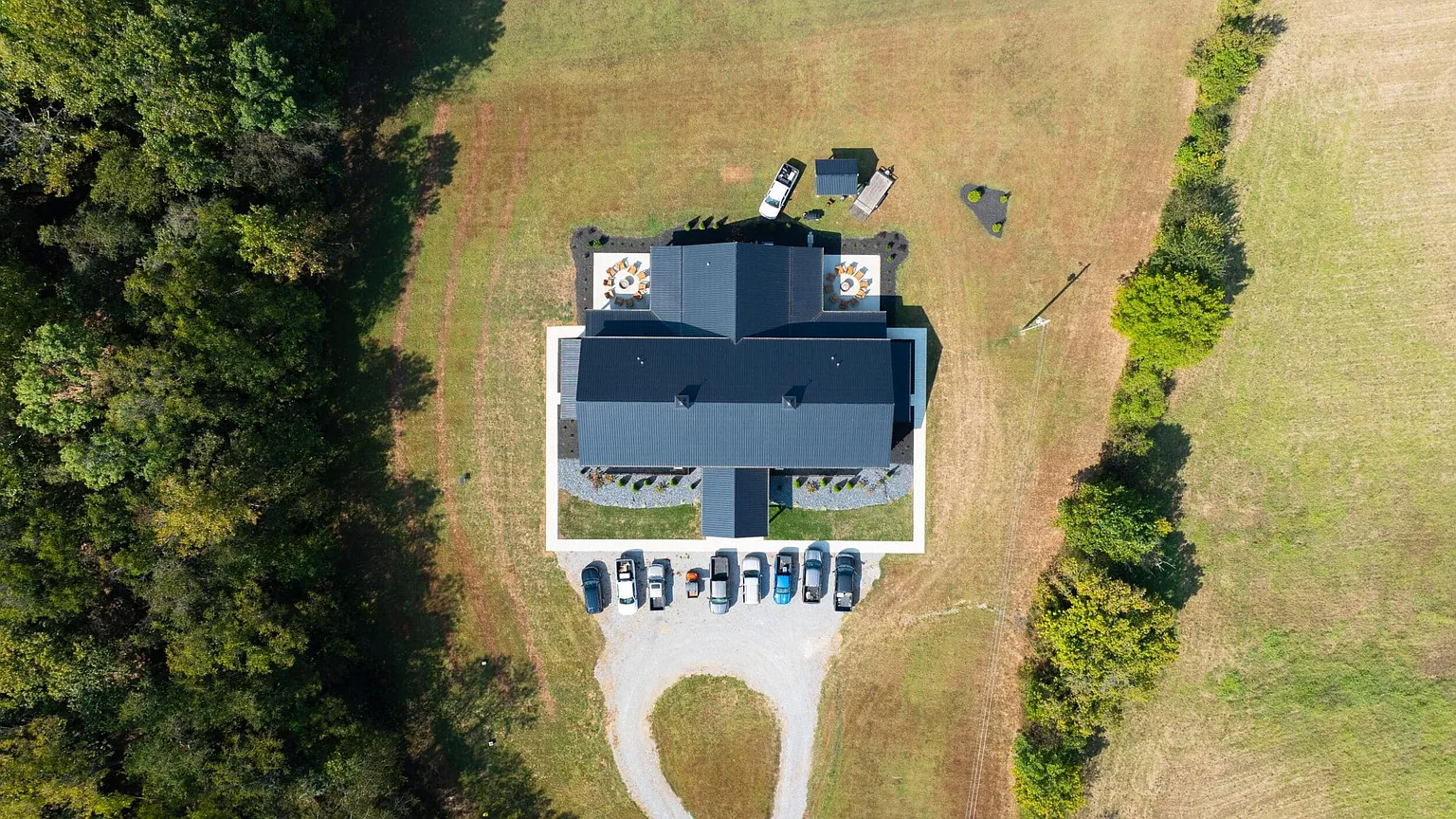
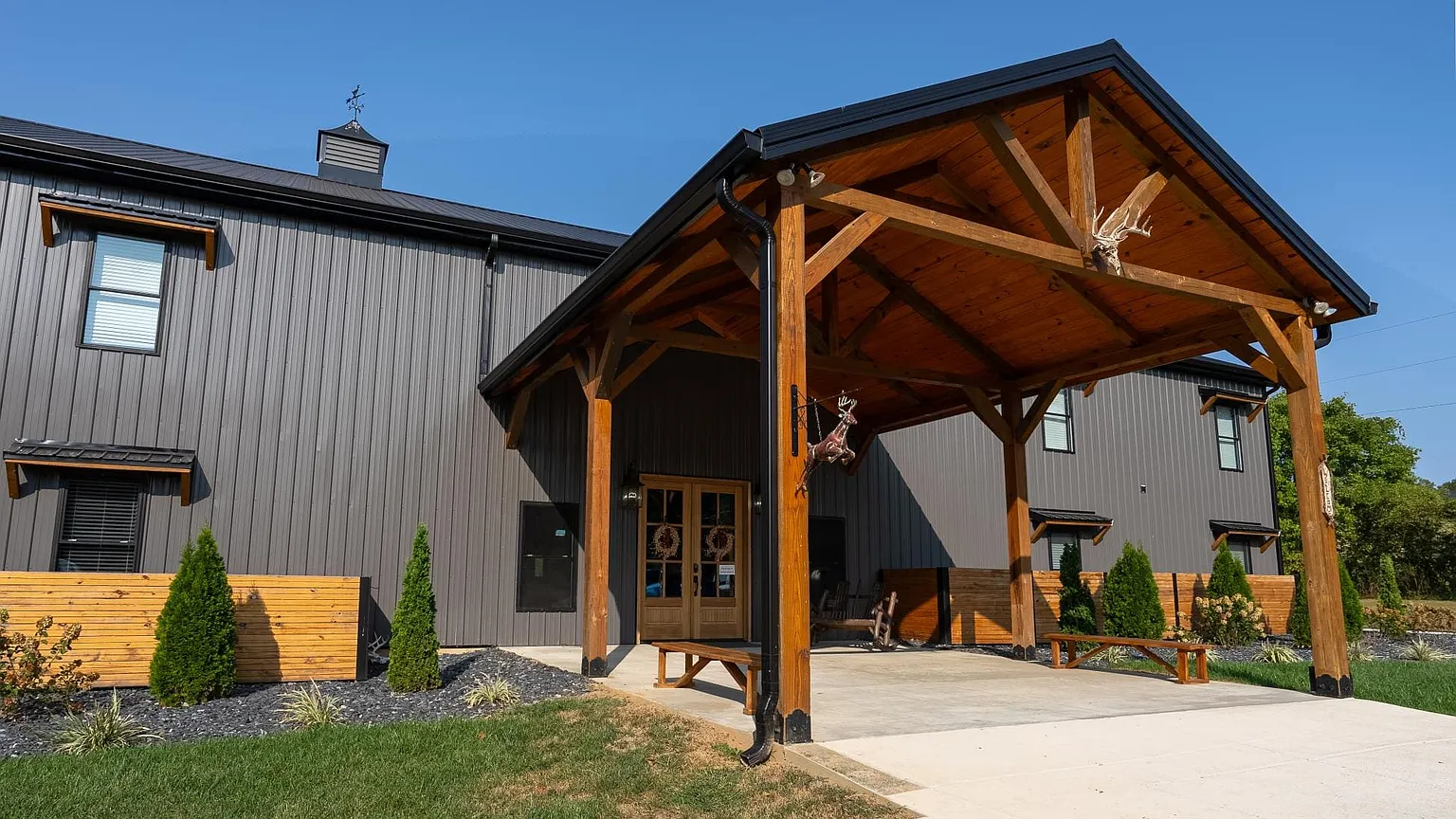
If you are thinking about signing up for residential agoraphobia treatment in Kentucky, you should pick a clinic situated close enough to your home so that your family is able to travel to the location and support you during your recovery. Take a look at the map below to get the directions to Kentucky Wellness Center and check out our Virtual Tour page to see how our facility looks ahead of your first visit.
Whether you have suffered from the symptoms of agoraphobia for a long time or you have noticed certain signs of this disorder recently and want to confirm your diagnosis to start agoraphobia therapy, our clinic will be happy to guide and support you on your mental wellness journey. Our multidisciplinary team knows how to enable patients to engage more fully in life with versatile, effective tools for mental health recovery.
Get in touch with Kentucky Wellness Center by referring to our Contact Us page or calling (270) 355-7231 – your mental well-being is in your hands, and we will help you to address the most acute mental health needs.
We encourage our patients to try family therapy – your loved ones can understand the intricacies of this disorder, work on their communication skills, and learn how to provide you with the support you need when your symptoms worsen.
Only a person with mental health training can confirm the agoraphobia diagnosis – they will ask you questions about your symptoms, learn how long they have lasted, and what triggers the manifestations of the disorder. These symptoms are supposed to match the official diagnostic criteria so a thorough mental health evaluation that rules out similar disorders and neurological conditions must take place. Contact our team for more information on our diagnostic process.
We believe in confidentiality and personalization of agoraphobia treatment – our patients get to unwind in a serene residential setting, address deep-seated emotional issues, recognize underlying problems that have contributed to their disorder, and take an active part in the preparation of the agoraphobia treatment plan.
You can overcome agoraphobia with the assistance of CBT that will challenge and replace your negative thinking patterns and group therapy that will give you an opportunity to practice your social skills, meet with like-minded individuals, and remember that you are not alone in your struggle.
Yes. While many cases of agoraphobia are linked to panic disorder, the condition can develop independently – driven by a general fear of being trapped, helpless, or embarrassed in public situations. If avoidance of specific environments has progressively limited your daily functioning, you may have agoraphobia regardless of whether panic attacks are present.
For most people with significant agoraphobia, the avoidance patterns are severe enough that residential mental health treatment offers the best opportunity for meaningful progress. Once symptoms improve and exposure exercises expand your comfort zone, transitioning to outpatient or virtual IOP care can help you return to work while maintaining your progress.
Many patients begin noticing changes within the first few weeks of treatment as early exposure exercises start to reduce anxiety in previously avoided situations. Full recovery takes longer and depends on severity, but consistent treatment with graduated exposure produces measurable improvement for the majority of individuals.