
 Skip to content
 When outpatient therapy and medication aren’t enough to stabilize a mental health crisis, residential mental health treatment provides the intensive, around-the-clock care that recovery requires. Stepping away from the stressors of daily life and into a structured therapeutic environment allows you to focus completely on healing – without the distractions, triggers, and responsibilities that may have contributed to your struggles in the first place.
Kentucky Wellness Center offers comprehensive residential treatment for mental health at our facility in Kentucky. Our program combines evidence-based therapies, psychiatric care, and holistic approaches within a supportive community designed to help adults reclaim stability and build lasting wellness.
If you or someone you love is struggling with a mental health condition that hasn’t responded to outpatient care, contact Kentucky Wellness Center at (270) 355-7231 or visit our Contact Us page to learn whether residential treatment is the right next step.

Hana Giambrone

Lori Humphrie

Dr. Jason Miller

Residential care isn’t necessary for everyone experiencing mental health challenges, but it can be life-changing – sometimes life-saving – for those who need this level of support. You may benefit from a residential treatment center for mental health if you:
The decision to enter residential treatment is significant, and our admissions team helps you determine whether this level of care matches your clinical needs. Sometimes a thorough assessment reveals that a different approach would serve you better – and we’ll tell you honestly if that’s the case.
Each condition requires a tailored approach. Our clinical team brings specialized expertise across these areas, ensuring you receive treatment designed specifically for your diagnosis – not a one-size-fits-all program.
Visit our What We Treat page to learn more about specific conditions addressed at Kentucky Wellness Center.

Your residential stay begins with a comprehensive evaluation. Our clinical team gathers information about your psychiatric history, current symptoms, medical conditions, medications, and treatment goals. This assessment shapes your individualized care plan and ensures we understand exactly what you need.
The first few days focus on orientation and stabilization. You’ll learn the daily schedule, meet staff and peers, and begin adjusting to the residential environment. Our team monitors how you’re settling in and makes adjustments to support a smooth transition.

A typical day in residential mental health treatment includes multiple therapeutic activities structured around mealtimes and rest periods. You might participate in:
The combination of therapies varies based on your treatment plan. Some individuals benefit most from intensive trauma processing; others need focused work on behavioral patterns or skill-building. Your schedule reflects what will help you specifically.

Living alongside others in treatment creates a unique therapeutic opportunity. The residential community becomes a microcosm where interpersonal patterns emerge and can be addressed in real time. You’ll practice communication skills, receive feedback from peers, and discover that others share struggles similar to your own.
This peer dimension of treatment shouldn’t be underestimated. Many people arrive at residential care feeling profoundly alone in their experiences. Discovering a community of others who understand – who have felt the same despair, faced the same challenges, and are working toward the same goals – provides hope that outpatient treatment often cannot replicate.

Treatment doesn’t end abruptly when your residential stay concludes. Throughout your time with us, your team prepares you for the transition back to daily life. Discharge planning begins early, identifying the supports you’ll need after leaving: outpatient therapy, psychiatric follow-up, support groups, and any other resources that will sustain your recovery.
We also help your family prepare for your return. The patterns that existed before treatment can easily reassert themselves without intentional effort. Family sessions, education, and communication planning help everyone adjust to the changes you’ve made and support your continued progress.
Identifying and restructuring negative thought patterns that contribute to emotional distress and problematic behaviors.
Building skills in mindfulness, distress tolerance, emotion regulation, and interpersonal effectiveness – particularly valuable for personality disorders and self-harm.
Processing traumatic memories to reduce their ongoing emotional impact, especially effective for PTSD and trauma-related conditions.
Exploring how past experiences and unconscious patterns shape current functioning, promoting deep insight and lasting change.
Developing psychological flexibility and committing to value-driven action even in the presence of difficult thoughts and feelings.
Visit our Therapy Modalities page to learn more about each approach.

Short-term Residential
Short-term residential stays of two to four weeks may be appropriate for individuals needing stabilization after a crisis, medication adjustments with close monitoring, or intensive skill-building before returning to outpatient care.

Standard Residential Treatment
Standard residential treatment lasting 30 to 60 days allows time for deeper therapeutic work, including trauma processing, addressing entrenched behavioral patterns, and building a solid foundation of coping skills.

Extended Residential Care
Extended residential care of 60 to 90 days or longer benefits individuals with complex presentations, multiple co-occurring disorders, or histories of unsuccessful shorter treatment episodes.
Short-term residential stays
Short-term residential stays of two to four weeks may be appropriate for individuals needing stabilization after a crisis, medication adjustments with close monitoring, or intensive skill-building before returning to outpatient care.
Standard residential treatment
Standard residential treatment lasting 30 to 60 days allows time for deeper therapeutic work, including trauma processing, addressing entrenched behavioral patterns, and building a solid foundation of coping skills.
Extended residential care
Extended residential care of 60 to 90 days or longer benefits individuals with complex presentations, multiple co-occurring disorders, or histories of unsuccessful shorter treatment episodes.
Initial Contact
Call our admissions line or complete an online inquiry. A compassionate coordinator listens to your situation, answers questions, and gathers basic information to determine whether our program matches your needs.
Insurance Verification
Clinical Assessment
Admission Scheduling
Arrival and Orientation
24/7 confidential support means you can call whenever you’re ready – we understand that the decision to receive mental health residential treatment doesn’t always happen during business hours. Our admissions coordinators are available day and night to answer questions, provide guidance, and begin the verification process.
How much does residential treatment cost? This question weighs heavily on many families considering this level of care. The investment is significant, but understanding your options makes treatment more accessible than many people assume.
Costs vary based on program length, services provided, and facility amenities. More importantly, insurance often covers a substantial portion of residential mental health treatment. Mental health parity laws require most insurance plans to cover mental health care at levels comparable to physical health care, including residential treatment when medically necessary.
At Kentucky Wellness Center, we work with most major insurance providers, and our admissions team verifies your benefits before admission, so you understand your financial responsibility upfront.
For those without insurance or with limited coverage, we discuss private pay options and payment arrangements. The cost of untreated mental illness – lost income, damaged relationships, potential hospitalization, diminished quality of life – often far exceeds the investment in comprehensive treatment.
Visit our Insurance Verification page or call (270) 355-7231 to verify your benefits at no cost and with no obligation.

Our therapists, psychiatrists, and support staff bring years of experience treating complex mental health conditions. You'll work with professionals who have helped people facing challenges similar to yours.
We believe families are essential to lasting recovery. Family therapy, education, and communication support help your loved ones understand your experience and prepare for your return home.

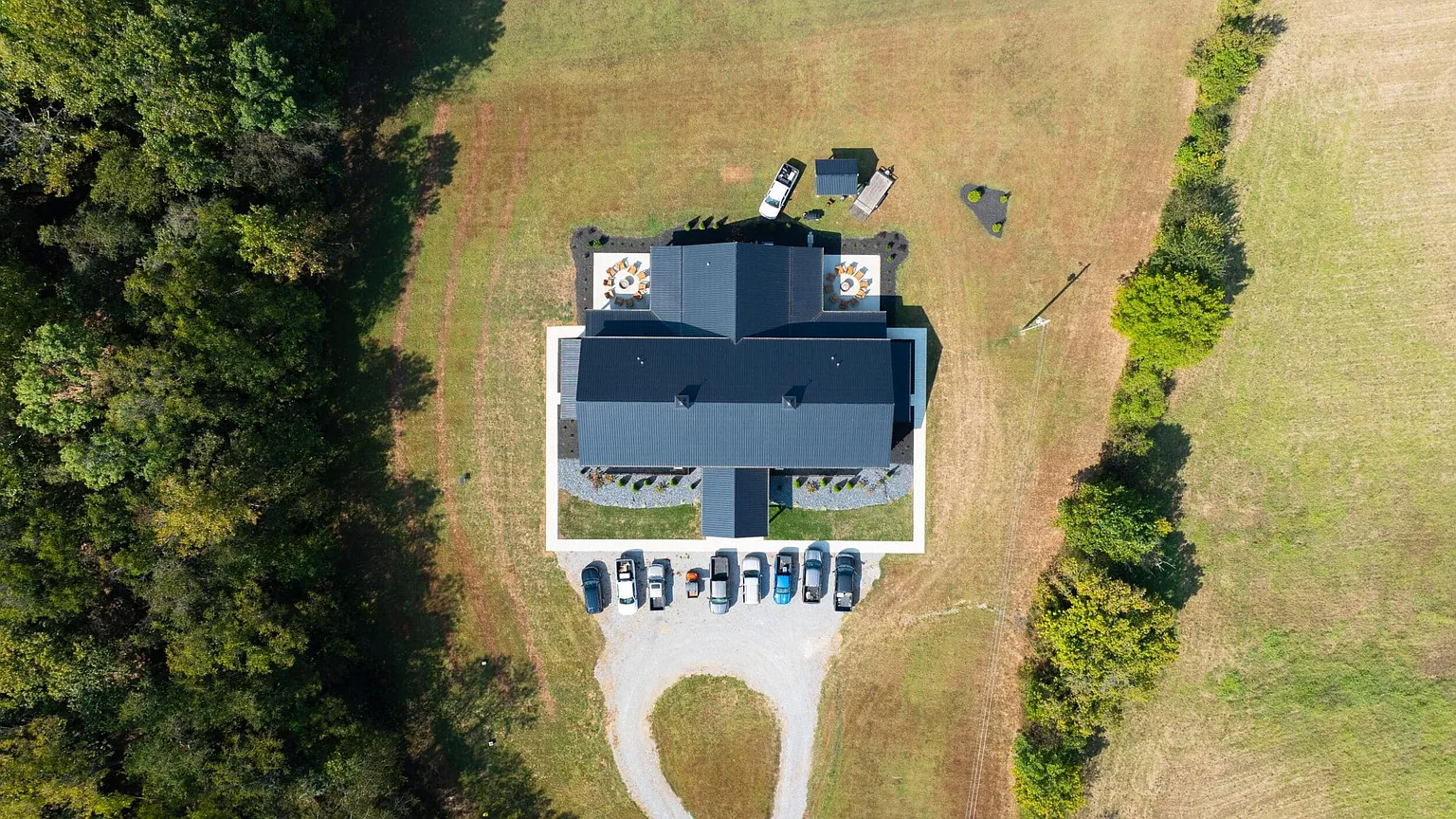
Finding mental health residential treatment nearby that offers the specialized care you need is essential. Kentucky Wellness Center is located in Kentucky, serving adults from throughout Kentucky and neighboring states including Tennessee, Indiana, Illinois, Missouri, and Ohio.
Our facility is accessible from major cities including Louisville, Lexington, Bowling Green, Paducah, Nashville, and Evansville. For families traveling from a distance, we can provide guidance on local accommodations for visiting days.
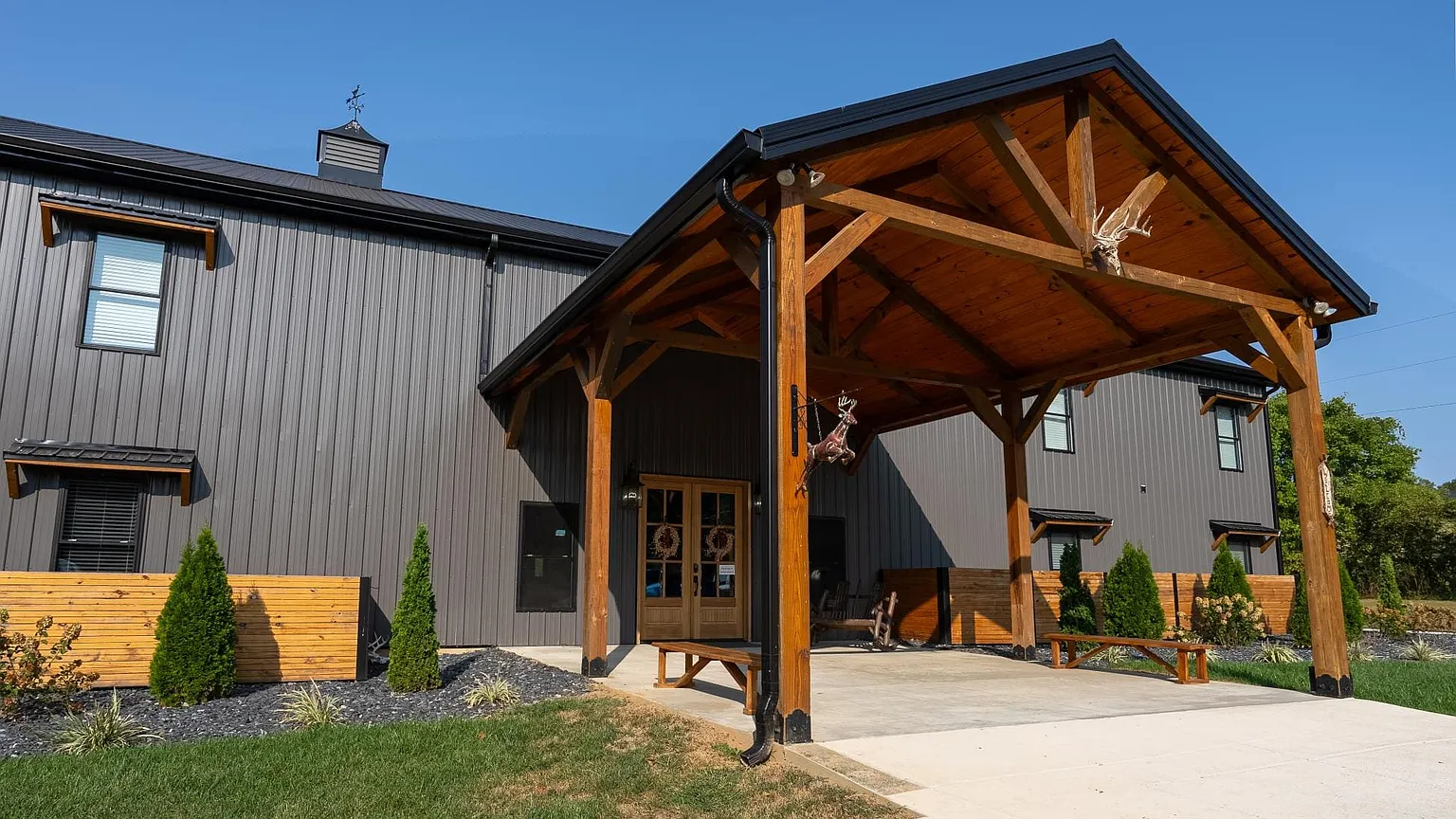
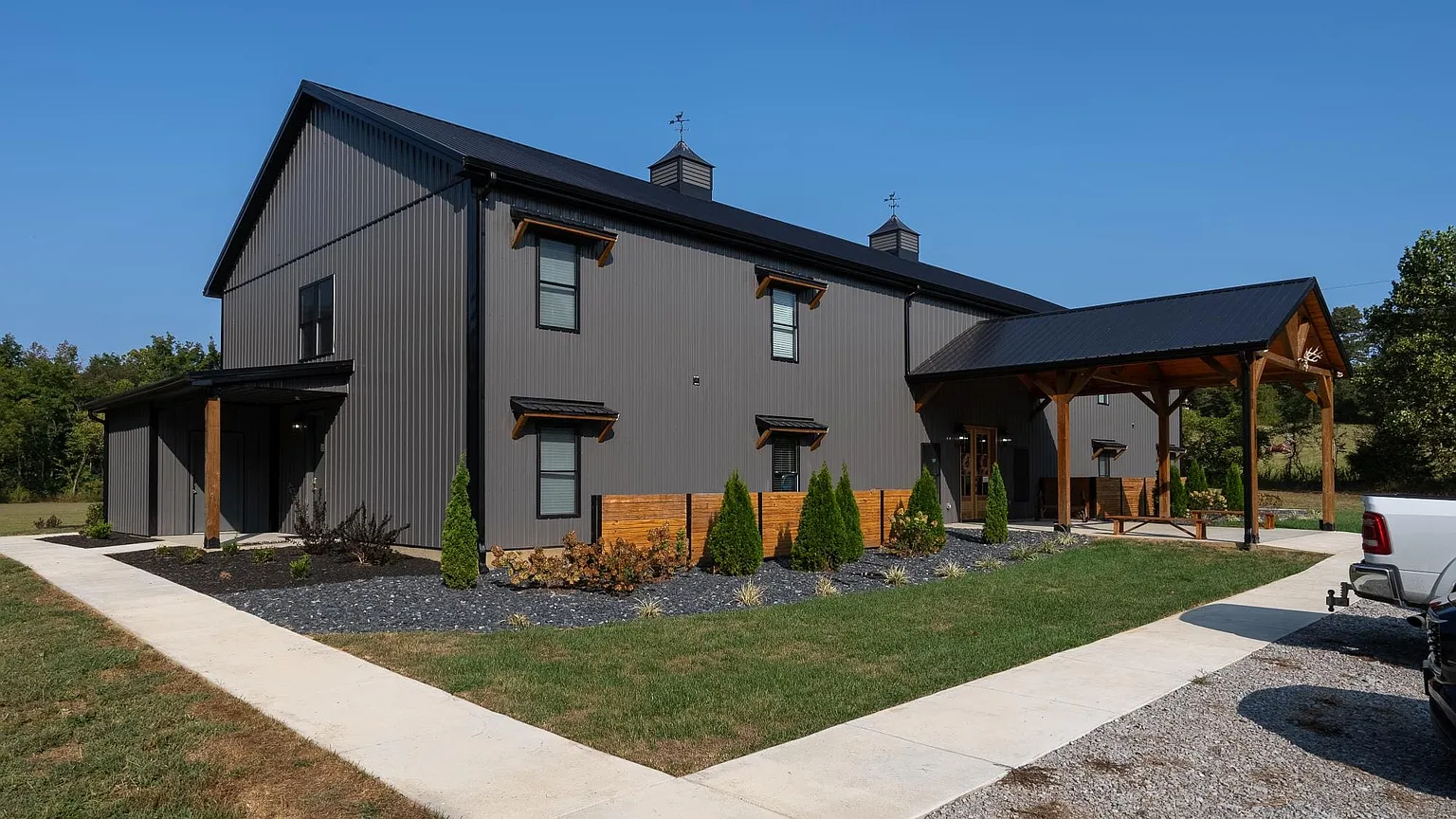
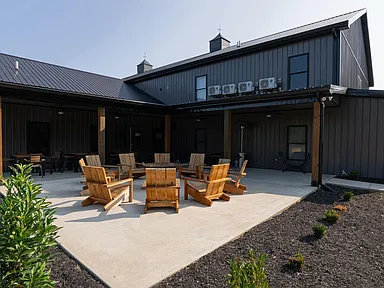
To preview our campus, living spaces, and treatment areas before admission, visit our Virtual Tour page.
Taking the step toward residential mental health treatment requires courage, but it may be the most important decision you ever make. Countless individuals have walked through our doors feeling hopeless, overwhelmed, and uncertain whether recovery was possible – and have left with the stability, skills, and support systems needed to build fulfilling lives.
Kentucky Wellness Center provides the intensive, compassionate care that lasting recovery demands. Our residential treatment center in Kentucky offers evidence-based therapies, experienced clinicians, and a healing environment designed to help you reclaim your life from mental illness.
You don’t have to keep struggling alone. Whether you’re researching options for yourself or seeking help for someone you love, our team is ready to answer your questions and help you understand whether residential treatment is the right path forward.
Contact Kentucky Wellness Center today at (270) 355-7231 or visit our Contact Us page to schedule a free, confidential consultation. Your journey toward lasting mental wellness can begin now.
Inpatient psychiatric hospitalization focuses on crisis stabilization and safety, typically lasting days to a couple of weeks. Residential mental health treatment provides extended therapeutic programming over weeks to months, addressing underlying causes of mental illness and building skills for sustained recovery. Residential care is less restrictive than hospitalization while still providing 24-hour support and structure.
Yes, within guidelines designed to maintain a safe, therapeutic environment. We’ll provide a detailed packing list before admission. Our facility allows personal clothing, approved electronics, and comfort items. Certain items are restricted for safety reasons – our admissions team explains these policies clearly so you can prepare appropriately. Visit our What to Bring page for complete guidelines.
Absolutely. Family connection supports recovery, and we encourage communication with loved ones. Phone privileges, visiting hours, and family therapy sessions keep you connected while maintaining the therapeutic structure of the program. Specific policies are explained during orientation.
Yes, we accept most major insurance plans. Visit our Insurance page to see the many insurance companies we work with, or check out our Insurance Verification page, or call (270) 355-7231 for a free benefits check before admission.
Discharge planning begins early in your stay to ensure smooth transition to continuing care. Most clients step down to outpatient therapy, psychiatric follow-up, and support groups. We provide referrals, coordinate care with outpatient providers, and offer alumni resources to support your ongoing recovery. Learn more on our Aftercare & Alumni Support page.