
 Skip to content
Kentucky Wellness Center is a trusted mental health facility serving Hopkinsville and western Kentucky. Attachment-focused care with family involvement.


DSED stems from early attachment disruption and improves with consistent, structured relational care. Families are coached on reinforcing healthy boundaries at home.
24/7 supervision and support
Individual and group therapy sessions
Personalized treatment plans
Treatment for co-occurring disorders
Holistic and recreational activities
EXCELLENT Based on 7 reviews
 Posted on Google

 Guffy_ Stuffy
Trustindex verifies that the original source of the review is Google.
My time here at Kentucky wellness center was wonderful great place to heal I got immense support from the clinical staff and my therapist Alana, Jeremiah, and Shelly, these 3 in tandom were a huge support in my recovery journey they gave a crap about what I had to say listen to me and always gave me there honest outlook on anything I was going through and I always felt that I could come to them for support and they actually cared about what I had to say, not to say other staff was a huge help in my recovery journey but these 3 right here are like the 3 amigos truly wonderful and I’d like to point out that they help set up wonderful after care for me taking consideration things I needed and and wanted in a aftercare program, these people are truly wonderful and I have been to 6 phacility this is my 4th resdintal phacility and as far as residential phacility go this is by far the best they give a crap about you and your recovery journey any issue I had ever was always addressed immideatly in a kind manner steady groups all throughout that pertain to whatever your going through they take input on group ideas and you can ask about anything your going through and they will set up a whole class around it these people care and are not looking to check a box I have found I can talk to just about any of the staff here about what I’m going through and that they care id recommend friends uncles cousins aunties mothers fathers anyone and everyone this is the best mental health retreat I’ve ever beeen too I love you allPosted on Google Monique SnyderThis treatment center saved my family member’s life. I honestly believe that you could not find better or more caring therapists and staff for mental health care than at this center. I received quick (immediate) responses to my concerns and inquiries from the director, case managers and BHTs. I highly recommend this center for mental health care.Posted on Google
 Kenneth StricklerKWC was an excellent facility. The staff cares deeply and treats clients like people. The accommodations are very nice as well in a beautiful setting. Highly recommend.Posted on Google
 Miles SmallAll the staff here is amazing and really cares about the difference they make in the clients lives!Posted on Google
 Julie GammonKWC is absolutely wonderful with their newly opened facility nested out in the country. Jeremiah, Shelly and Alana are on point, well informed and very respectful towards all clients. They make everyone feel like family as they are very dedicated about their jobs. I highly recommend KWC and all they have to offer.Posted on Google
 Camille AlfaroGreat experience with Kentucky Wellness Center. The team is professional, supportive, and truly cares about the people they serve. The environment feels welcoming and well run, I’d definitely recommend them.
Our team of licensed mental health professionals, therapists, and support staff are committed to providing the highest level of care in a compassionate, supportive environment. Learn more about the experienced individuals behind our programs.
Our team of licensed mental health professionals, therapists, and support staff are committed to providing the highest level of care in a compassionate, supportive environment. Learn more about the experienced individuals behind our programs.




Living with DSED as an adult means navigating a world of social rules that everyone else seems to understand instinctively – rules about how quickly to trust, how much to share, and when familiarity is appropriate – without the internal compass that typically guides those judgments. You may find yourself disclosing deeply personal information to people you just met, forming intense emotional connections within hours only to feel confused when they do not last, or extending trust to individuals whose intentions should raise concern.
The consequences of these patterns range from uncomfortable to dangerous. Romantic relationships cycle rapidly through intensity and disillusionment because the pace of attachment does not match the pace of genuine intimacy. Friendships feel shallow despite your desire for depth, because the indiscriminate openness that characterizes DSED prevents the gradual trust-building that deep connection requires. Professional boundaries may be crossed without your awareness, creating tension with coworkers or supervisors who find your level of familiarity inappropriate for the workplace.
Perhaps the most painful dimension is the vulnerability to exploitation. When your wiring does not distinguish between people who deserve your trust and people who will take advantage of it, you are exposed to manipulation, financial exploitation, and abusive relationships at rates that far exceed those of the general population. Over time, the accumulated harm from these experiences compounds the original attachment injury, creating a layered wound that becomes harder to treat with each passing year.
Kentucky Wellness Center provides the structured relational environment that DSED recovery requires – a setting where healthy boundaries are modeled consistently, trust is earned rather than assumed, and you can learn the social discrimination skills that early caregiving disruptions prevented you from developing.
DSED develops specifically in the context of early caregiving environments that failed to meet a child’s basic attachment needs. Understanding these origins is essential for effective treatment and helps reduce shame about the condition.
Severe neglect during infancy and early childhood is the primary cause. When caregivers consistently fail to respond to a child’s needs for comfort, stimulation, and affection, the child does not learn to form selective attachments or distinguish between safe and unsafe adults. The brain develops without the typical wiring that creates appropriate stranger wariness and attachment selectivity.
Frequent changes in primary caregivers – such as those experienced by children in institutional care or multiple foster placements – also contribute to DSED. Even when individual caregivers provide adequate care, the lack of continuity prevents the formation of stable attachment relationships that teach children how healthy bonds develop and function.
Trauma and abuse often co-occur with the neglect that causes DSED, compounding the developmental impact. Children who experience both attachment disruption and traumatic stress face additional challenges in learning to regulate emotions, trust appropriately, and form healthy relationships.
While DSED originates in childhood, adults who did not receive treatment continue to experience its effects. The social and relational patterns established early in life become deeply ingrained, affecting romantic relationships, friendships, workplace interactions, and parenting. Without intervention, these patterns typically persist and may worsen over time.
The early neglect and caregiving instability that cause DSED rarely produce attachment disruption in isolation. The same environments that prevent secure attachment typically generate additional developmental injuries that manifest as co-occurring conditions.
Trauma disorders – including PTSD and complex PTSD (C-PTSD) – are among the most common co-occurrences, as the neglect, abuse, and instability that cause DSED frequently meet the threshold for traumatic stress. Reactive attachment disorder shares the same developmental origins but presents differently – while DSED involves indiscriminate social engagement, reactive attachment disorder involves emotional withdrawal and difficulty forming any attachments at all. Both conditions can coexist.
Our clinical team at Kentucky Wellness Center differentiates DSED from overlapping conditions during your evaluation and constructs a treatment plan that addresses the full scope of what early adversity set in motion.
Disinhibited social engagement disorder treatment for adults focuses on addressing the attachment wounds underlying the condition, developing appropriate social boundaries, and building skills for forming healthy relationships. Because DSED has its roots in early developmental experiences, treatment requires patience and specialized therapeutic approaches.
Psychodynamic therapy explores how early attachment experiences shaped current relationship patterns, helping individuals understand why they relate to others the way they do. This insight-oriented approach examines unconscious beliefs about relationships, self-worth, and trust that developed during formative years and continue to influence adult behavior.
Dialectical behavior therapy (DBT) provides concrete skills for interpersonal effectiveness, emotional regulation, and distress tolerance. Adults with DSED often struggle to navigate relationship challenges appropriately, and DBT teaches practical techniques for setting boundaries, communicating needs, and managing the intense emotions that relationships can trigger.
Regarding Levels of Care, residential DSED treatment provides an immersive therapeutic environment where adults can focus intensively on healing attachment wounds and developing new relational skills. The structured setting offers consistent, predictable relationships with treatment staff – a corrective experience for individuals whose early lives lacked such stability. As progress occurs, individuals can transition to less intensive care while continuing therapeutic work.
DSED treatment at our facility is built around one central principle: the therapeutic relationship is not just a tool for delivering treatment – it is the treatment. Because DSED is fundamentally a disorder of attachment, recovery depends on experiencing what healthy, boundaried relationships actually feel like, and our program is structured to provide those experiences consistently.
Your therapist will invest significant time in building a reliable alliance with you before introducing structured interventions. This is clinically intentional – it gives your nervous system a corrective experience that contradicts the inconsistency and unpredictability of your early caregiving. As that foundation solidifies, therapy shifts toward developing the social discrimination skills you need: learning to assess trustworthiness before extending trust, recognizing the difference between familiarity and genuine connection, and building the capacity for selective attachment that early adversity disrupted.
Patients in our residential mental health treatment program benefit from a milieu that reinforces these skills throughout the day. Every interaction with staff – from your therapist to your case manager to the team members you see at meals – follows the same principles of consistency, reliability, and appropriate boundaries. Family therapy can play an important role when family members need guidance on how to support your recovery and understand the developmental origins of your relational patterns. Our aftercare and continuing support program provides the ongoing relational consistency that long-term DSED recovery depends on.
The duration of DSED treatment depends on the severity of early attachment disruption, the presence of co-occurring conditions, and individual response to therapeutic interventions. Because DSED involves deeply rooted developmental patterns, treatment typically requires sustained engagement rather than quick fixes.
Initial progress often becomes apparent within four to eight weeks as individuals develop insight into their patterns and begin learning new skills. During this phase, the therapeutic relationship itself serves as a corrective attachment experience, demonstrating that consistent, boundaried connections are possible.
Meaningful, lasting change in attachment patterns and relational behaviors generally requires several months of dedicated therapeutic work. The brain developed its current patterns over years of early experience, and reshaping these patterns takes time and repetition. Your treatment team will establish a realistic disinhibited social engagement disorder treatment plan tailored to your specific history and goals, with regular assessment of progress and adjustment of approaches as needed.
Our clinical team understands the developmental origins of DSED and approaches treatment through an attachment lens. We recognize that healing requires more than symptom management - it requires addressing the early relational wounds that shaped how you connect with others.
Because DSED frequently co-occurs with trauma disorders, our therapists bring expertise in trauma treatment, including EMDR and trauma-focused therapies. We address both the attachment disruptions and the traumatic experiences that often accompany them.

Finding specialized treatment for attachment-related conditions can be challenging, as many providers lack training in these complex developmental issues. Kentucky Wellness Center in Kentucky offers the expertise needed for effective treatment of disinhibited social engagement disorder in adults, welcoming individuals from throughout Kentucky and neighboring states.
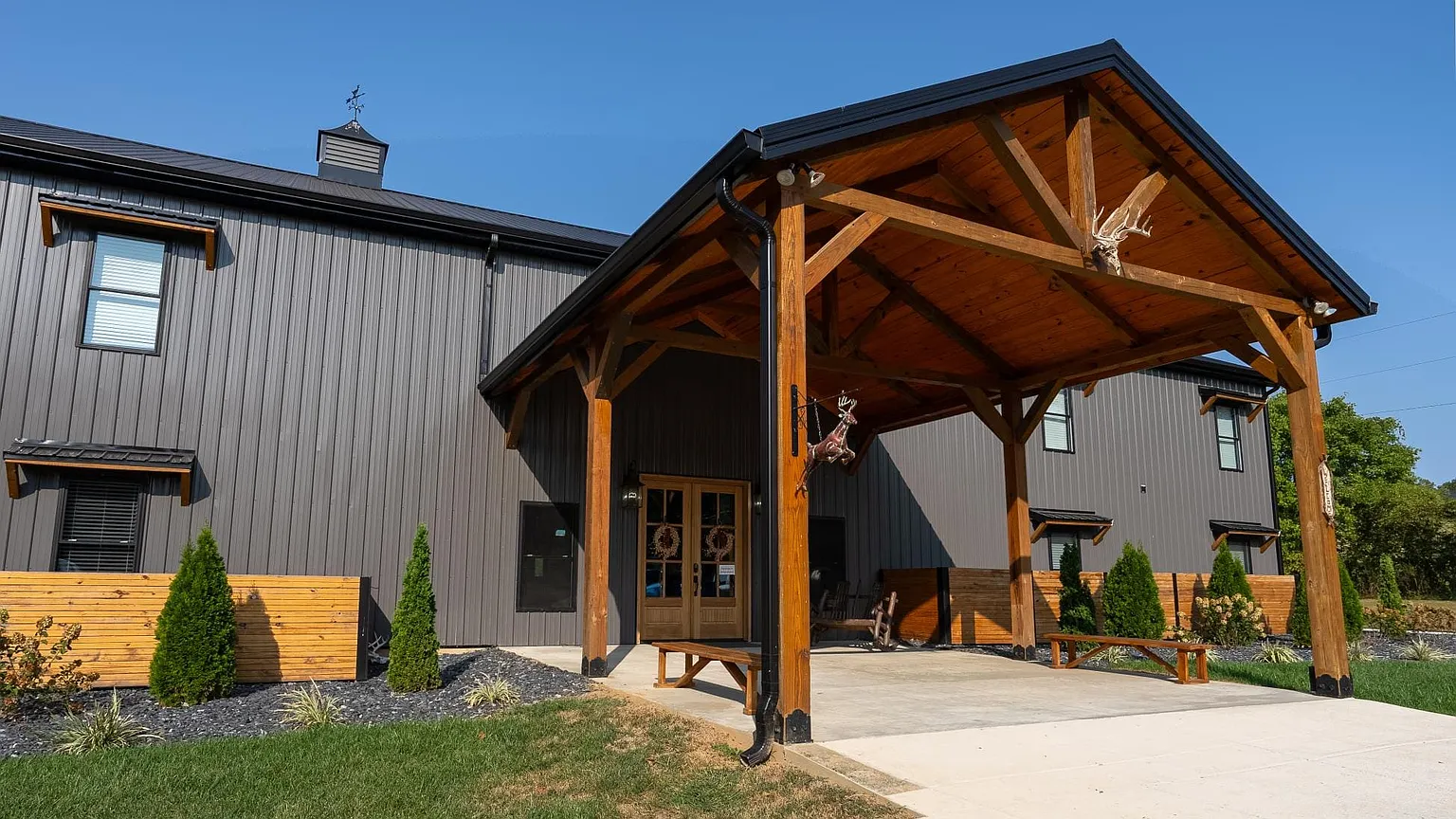
The map below provides directions to our facility. Visit our Virtual Tour page to explore our campus and treatment environment before admission.
Living with disinhibited social engagement disorder can mean a lifetime of relationship difficulties, vulnerability to exploitation, and confusion about why connections never seem to work the way they should. You may not have understood why you relate to others differently until learning about this condition, or you may have struggled for years, knowing something was wrong but not finding appropriate help.
If you are seeking treatment for adult disinhibited social engagement disorder in Kentucky, Kentucky Wellness Center provides the specialized, compassionate care needed to address this complex condition. Our team understands the developmental origins of DSED and will work with you to heal attachment wounds and build the relational skills that early adversity prevented you from developing.
Contact Kentucky Wellness Center at (270) 355-7231 or visit our Contact Us page to schedule a confidential assessment and begin your journey toward healthier relationships.
What are the main symptoms of disinhibited social engagement disorder?
Disinhibited social engagement disorder symptoms include overly familiar behavior with strangers, lack of appropriate social boundaries, willingness to leave with unfamiliar people, difficulty forming selective attachments, superficial relationships lacking depth, and poor judgment about whom to trust. In adults, these patterns often manifest as chronic relationship difficulties, vulnerability to exploitation, and challenges maintaining appropriate boundaries in various contexts.
Does Kentucky Wellness Center accept insurance for DSED treatment?
Yes, we work with most major insurance providers to make DSED treatment accessible. Our admissions team can verify your benefits and explain coverage options before treatment begins. Visit our Insurance Verification page or call (270) 355-7231 to confirm what your plan covers.
What therapy modalities are available for disinhibited social engagement disorder?
Kentucky Wellness Center offers multiple therapeutic approaches for DSED, including psychodynamic therapy and EMDR for processing co-occurring trauma. Group therapy provides opportunities to practice healthy social interactions, while holistic modalities like art therapy and animal-assisted therapy (AAT) support the healing process.
Can DSED be treated alongside other mental health conditions?
Absolutely. Disinhibited social engagement disorder commonly co-occurs with depression, anxiety disorders, and personality disorders. Our integrated treatment model addresses all co-occurring conditions simultaneously, recognizing that these issues are often interconnected. Visit our What We Treat page to learn more about the conditions we address.
How is DSED different from being naturally outgoing or friendly?
Being outgoing is a personality trait that involves social confidence within appropriate boundaries. DSED involves a developmental inability to distinguish between safe and unsafe people, leading to indiscriminate trust, boundary violations, and vulnerability to exploitation. The difference is whether social openness is guided by judgment or driven by an attachment system that never learned to discriminate.
Can adults fully recover from DSED?
While the attachment patterns formed in early childhood are deeply ingrained, adults can develop significantly healthier relational skills through sustained therapeutic work. Recovery does not erase the developmental history, but it builds new neural pathways and social discrimination skills that allow you to form safer, more selective relationships over time.
Is DSED related to reactive attachment disorder?
Yes – both conditions stem from early caregiving disruptions, but they present differently. Reactive attachment disorder involves emotional withdrawal and difficulty forming attachments, while DSED involves indiscriminate social engagement and a lack of appropriate stranger wariness. Both can co-occur, and our clinical team evaluates for both during your assessment.