
 Skip to content
 Not everything can be put into words. Traumatic memories, overwhelming emotions, and deep-seated beliefs often exist beyond language – stored in the body and mind in ways that talking alone can’t fully access. Art therapy provides an alternative route to healing, using creative expression to externalize what words fail to capture. You don’t need artistic talent or experience; the therapeutic value lies in the process of creating, not the product. Through drawing, painting, sculpting, and other art forms, you can explore your inner world, process difficult experiences, and discover insights that emerge only when your hands are busy and your analytical mind steps aside.
At Kentucky Wellness Center, our trained art therapists guide you through creative experiences designed to support your mental health treatment goals. Whether you’re processing trauma, exploring identity, or simply finding a healthy outlet for intense emotions, art therapy offers a powerful complement to traditional clinical approaches.
Contact Kentucky Wellness Center today at (270) 355-7231 or visit our Contact Us page for a free, confidential consultation to begin your healing journey.

Hana Giambrone
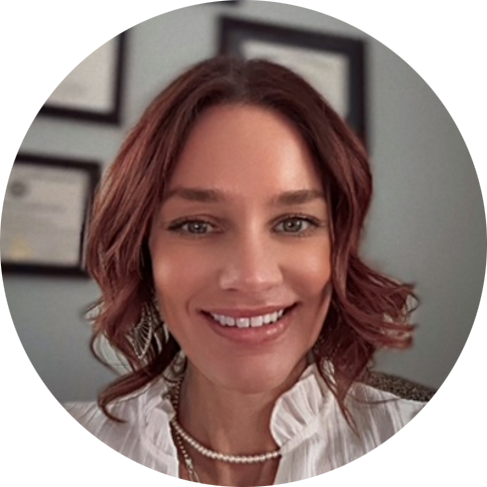
Lori Humphrie
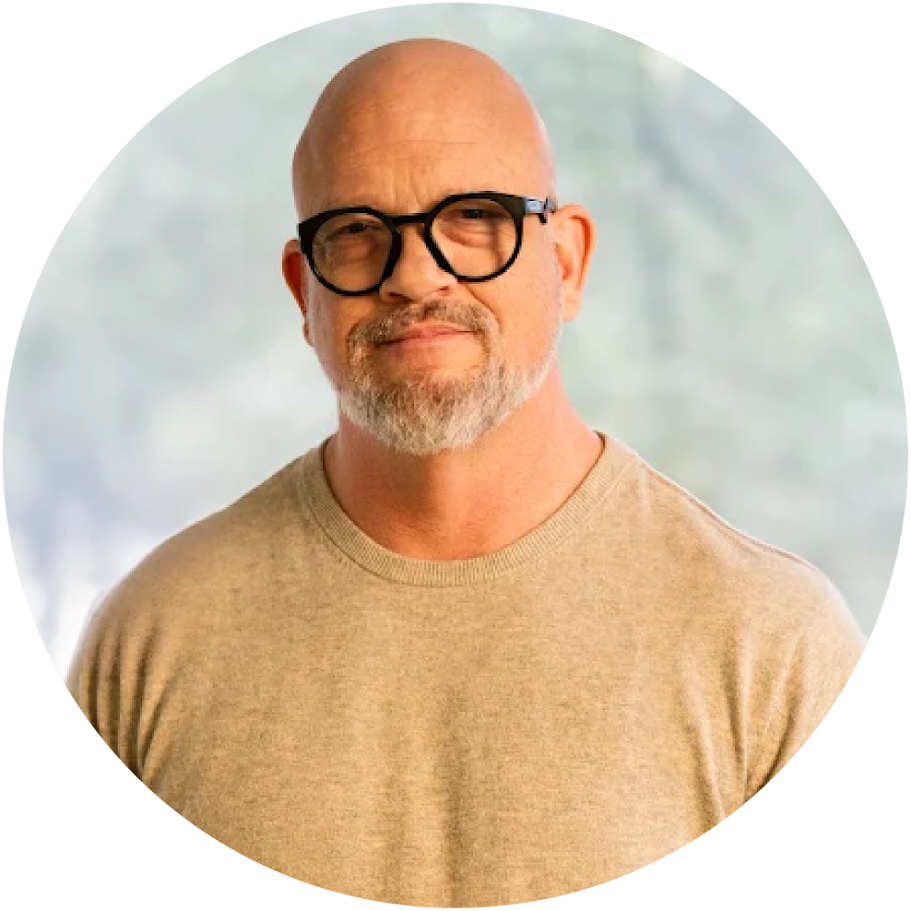
Dr. Jason Miller
Art therapy is a mental health treatment that combines psychotherapeutic techniques with the creative process to improve emotional well-being. Facilitated by credentialed art therapists, sessions use art-making as the primary mode of expression and communication. The approach draws on the understanding that creative expression accesses parts of the brain and psyche that verbal processing alone cannot reach.
During art therapy sessions, you might paint, draw, sculpt with clay, create collages, or work with other media based on your preferences and treatment goals. Your art therapist provides guidance and materials while creating a safe space for whatever
emerges. Importantly, sessions focus on the experience of creating and the meaning you find in your work – not on producing aesthetically pleasing results. Technical skill is completely irrelevant to the therapeutic benefit.
Art therapy works on multiple levels simultaneously. The act of creating engages your body and senses, which can be grounding for people who dissociate or feel disconnected from themselves. The artwork itself becomes a tangible object you can examine, discuss, and revisit – making abstract internal experiences concrete and manageable. And the creative process often bypasses psychological defenses, allowing material to surface that might remain hidden in traditional talk therapy.
Art therapy integrates effectively with CBT, DBT, psychodynamic therapy, and other clinical approaches.

Art therapy offers therapeutic advantages that emerge specifically from creative engagement. These benefits complement and enhance what traditional talk therapies provide.

Nonverbal Expression
Art provides a voice for experiences that are difficult or impossible to articulate in words, particularly trauma and complex emotions.

Externalization
Creating artwork moves internal experiences outside yourself, making overwhelming feelings more manageable and easier to examine.

Sensory Engagement
Working with art materials engages your body and senses, promoting grounding and present-moment awareness.
Symbolic Communication
Images and symbols can communicate layered meanings that linear verbal language struggles to convey.
Nonverbal Expression
Art provides a voice for experiences that are difficult or impossible to articulate in words, particularly trauma and complex emotions.
Externalization
Creating artwork moves internal experiences outside yourself, making overwhelming feelings more manageable and easier to examine.
Sensory Engagement
Working with art materials engages your body and senses, promoting grounding and present-moment awareness.
Symbolic Communication
Images and symbols can communicate layered meanings that linear verbal language struggles to convey.

Research supports art therapy as an effective intervention for trauma, depression, anxiety, and numerous other conditions. Studies demonstrate reductions in PTSD symptoms, improved mood regulation, decreased anxiety, and enhanced self-awareness among participants. For people who haven’t responded fully to talk therapy alone, art therapy often provides the missing piece.
What makes art therapy particularly powerful is its ability to access implicit memory – the nonverbal, sensory, and emotional memories that traditional therapy struggles to reach. Traumatic experiences, especially those from early childhood or involving overwhelming threat, are often encoded in ways that bypass language entirely. No amount of talking about these experiences can fully process them because they don’t exist in verbal form. Art provides a pathway to this material, allowing it to be expressed, witnessed, and integrated.
Art therapy also offers unique advantages for people who intellectualize or overthink in traditional therapy. When your hands are engaged in creating, your analytical defenses often relax. Insights emerge spontaneously through the creative process rather than being constructed through deliberate thought. Many clients report discovering truths about themselves through their artwork that surprise them – material their conscious mind had no idea was present.

Art therapy benefits a wide range of people, regardless of artistic background or ability. You may find art therapy particularly valuable if you:
No artistic skill is required – art therapy is about process, not product.

Art therapy supports treatment for conditions where nonverbal processing and creative expression provide particular benefit. At Kentucky Wellness Center, we incorporate art therapy in treating:
These represent just some of the conditions where art therapy provides meaningful support. Each treatment plan is customized based on your specific needs, creative interests, and therapeutic goals. Visit our What We Treat page to learn more about conditions addressed at our center.
Understanding what art therapy sessions involve can ease any nervousness about this expressive approach. Sessions are structured to support therapeutic goals while allowing creative freedom.
Warm-Up and Check-In
Brief conversation about how you’re doing, followed by simple creative exercises to transition into art-making mode.
Directed or Open Creation
Your therapist may suggest a specific prompt or theme, or invite open exploration based on what’s present for you that day.
Art-Making Process
You work with chosen materials while your therapist offers support, observes your process, and remains available for conversation.
Reflection and Discussion
Together you explore the artwork – what you notice, what emerges, what meanings or feelings arise as you look at what you created.
Skills Training Group
You learn and practice DBT's four skill modules alongside peers, with homework to reinforce learning between sessions.
Art therapists at Kentucky Wellness Center draw from various creative approaches tailored to your needs and treatment goals. Common techniques include:
Free Drawing or Painting
Spontaneous creation without a specific prompt, allowing unconscious material to emerge through unstructured expression.
Guided Imagery Art
Creating artwork based on visualization exercises, translating internal images into external form.
Collage Work
Assembling images and words from magazines or other sources to express themes, feelings, or aspects of identity.
Clay and Sculpture
Three-dimensional work that engages tactile senses and allows physical manipulation of symbolic forms.
Mask Making
Creating masks to explore different aspects of self, hidden emotions, or the personas we present to the world.
Your art therapist will introduce techniques based on your treatment goals, comfort level, and what seems most likely to support your therapeutic process.
Art therapy is typically integrated into your comprehensive treatment plan rather than delivered as a standalone modality. The frequency of sessions depends on your individual needs, treatment goals, and how you respond to creative approaches.
During residential mental health treatment at Kentucky Wellness Center, art therapy sessions may occur one to several times weekly as part of your programming. Individual sessions typically last 45 to 90 minutes to allow adequate time for both creation and processing. Some clients engage deeply with art therapy as a primary modality, while others find it a helpful complement to individual therapy and other clinical work.
The creative skills and self-expression habits developed in art therapy continue benefiting you long after formal sessions end. Following residential care, our program can incorporate expressive arts approaches, and our Aftercare & Continuing Support services may include recommendations for continued art therapy or personal creative practices as part of your ongoing wellness.
Kentucky Wellness Center provides Art Therapy as part of our comprehensive residential mental health treatment program. When you choose our facility, you benefit from:
Integrated Holistic Approach

Credentialed Art Therapists
Credentialed Art Therapists
Dedicated Creative Spaces
Dedicated Creative Spaces
Integrated Holistic Approach
Integrated Holistic Approach
Kentucky Wellness Center is located in Kentucky, providing art therapy and comprehensive residential mental health treatment to adults from across Kentucky and surrounding states. Our facility is easily accessible from Hopkinsville, Murray, Paducah, Bowling Green, Louisville, Lexington, and neighboring communities in Tennessee, Indiana, and beyond.
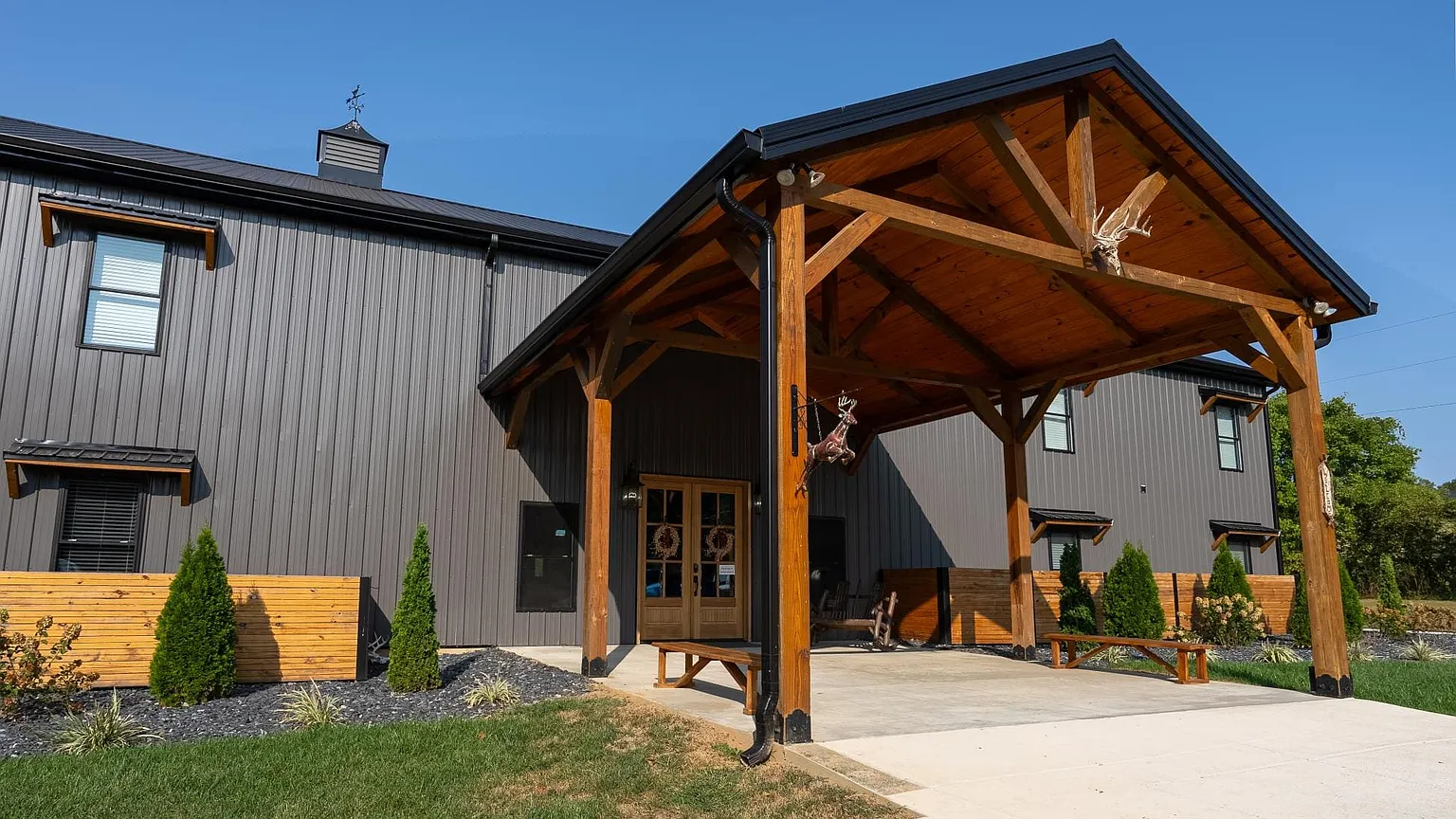
Our peaceful campus provides an inspiring setting for creative work – away from daily stressors, you can explore your inner world through art without distraction. To see our treatment spaces and art therapy areas, visit our Virtual Tour page.
Beginning art therapy at Kentucky Wellness Center starts with a simple phone call. When you contact our admissions team, a compassionate coordinator will listen to your concerns, answer your questions, and explain how art therapy fits within our treatment approach. We’ll verify your insurance benefits, conduct a clinical assessment, and help you prepare for admission.
Our team understands that creative expression can feel vulnerable, especially if you haven’t made art since childhood or were told you weren’t artistic. We create a judgment-free environment where the only goal is your healing. Same-day admissions are available for clients requiring immediate care.
Reach out to Kentucky Wellness Center today at (270) 355-7231 or visit our Contact Us page to take the first step toward expressing what words cannot capture.
Art therapy is a mental health treatment that uses creative expression to improve emotional well-being. Facilitated by credentialed art therapists, sessions involve creating artwork as a way to explore feelings, process experiences, and develop insight. The therapeutic value lies in the creative process itself – no artistic skill is required or expected.
Yes, Kentucky Wellness Center accepts most major insurance plans, including Aetna, Anthem, Blue Cross Blue Shield, Cigna, and UnitedHealthcare. Art therapy is integrated into our comprehensive treatment programming. Visit our Insurance Verification page or call (270) 355-7231 to confirm your coverage.
Absolutely not. Art therapy focuses entirely on the process of creating, not the quality of what you produce. Stick figures, abstract scribbles, and “messy” work are just as therapeutically valuable as polished artwork. Your art therapist creates a judgment-free space where technical skill is irrelevant to healing.
Yes, research strongly supports art therapy for trauma and PTSD. Because traumatic memories are often stored nonverbally, art provides a way to access and process experiences that talk therapy alone may not reach. Creating artwork allows externalization of overwhelming material in a contained, manageable form. Visit our PTSD and Complex PTSD (C-PTSD) pages to learn more.
Art therapy incorporates diverse materials, including drawing supplies, paints, clay, collage materials, fabric, and found objects. Your art therapist will introduce materials based on your comfort level and treatment goals. You’re never required to use any medium that doesn’t appeal to you – the goal is finding creative expressions that support your unique healing process.