
 Skip to content
 If you are diagnosed with schizoaffective disorder, it is time to think about your next steps – the management of symptoms, the self-care practices you can incorporate into your daily routine, and the identification of underlying mental health problems that may occur in the near future. Our facility offers inpatient schizoaffective disorder treatment in Kentucky to adult patients who want to regain their confidence, autonomy, and belief in their ability to shape their lives – you can promote your emotional resilience and objectively recognize your psychological experiences with our guidance and support.
Reach out to Kentucky Wellness Center today – call (270) 355-7231 or visit our Contact Us page to embark on a wellness journey that will change your life for the better.

Hana Giambrone

Lori Humphrie

Dr. Jason Miller
Schizoaffective disorder is a serious mental health condition characterized by the manifestations of schizophrenia and depression. People diagnosed with this psychotic disorder will exhibit psychotic symptoms and the symptoms of a mood disorder – they may hear and see things that do not exist in reality, and later feel immense sadness and emptiness, which are typically linked to mood disorders. This makes the diagnostic process challenging – many individuals are eventually misdiagnosed and do not get access to the life-changing treatment for schizoaffective disorder that they certainly require.
This condition is typically diagnosed in late adolescence or early adulthood but there are people who are not aware of their diagnosis until they are thirty or forty years old, especially if the symptoms of schizophrenia occur later in life. Note that in some cases, schizoaffective disorder is not the only diagnosis the patient learns about – this condition often co-occurs with anxiety disorders and bipolar disorder.
If you are suffering from manifestations of related mental health disorders, it is necessary to address all the mental health problems at once and prevent further health complications in the future.





What makes schizoaffective disorder particularly disorienting is the way it combines two distinct categories of symptoms into a single, unpredictable experience. One day you may struggle with hallucinations or delusional thinking, and the next you are weighed down by a depressive episode so severe that basic tasks feel impossible. This duality means that your internal experience is constantly shifting, and the people around you – including those who want to help – often have trouble understanding what you are going through because the symptoms do not follow a consistent pattern.
The social consequences can be profound. Friendships and romantic relationships require a degree of emotional consistency that schizoaffective disorder makes difficult to sustain. You may cancel plans during depressive episodes, behave impulsively during manic phases, or withdraw completely when psychotic symptoms take over. Over time, these patterns erode trust and push people away, leaving you more isolated at the moments when connection matters most.
Professional life is equally affected. The cognitive difficulties associated with this condition – trouble concentrating, slowed processing speed, and impaired memory – make it hard to meet the demands of most work environments, even during periods when your mood symptoms are relatively stable. Many people with schizoaffective disorder cycle through jobs or stop working altogether, which introduces financial stress that compounds the emotional burden of the condition.
Structured treatment gives you the tools to manage both sides of this disorder. At Kentucky Wellness Center, our specialists understand the unique challenges of schizoaffective disorder and build treatment plans that address psychotic and mood symptoms in tandem rather than treating them as separate problems.
A combination of factors and variables leads to the development of schizoaffective disorder. There might be a genetic predisposition if one’s family members have been diagnosed with psychotic disorders at some point, and there is a higher chance for you to exhibit the symptoms of this condition if you have had to deal with major stress or trauma, especially if these memories and experiences have not been processed properly or you were exposed to abuse and violence as a child.
Environmental triggers play a crucial role here – individuals who have been forced to stay away from society, those who have lost their jobs or their loved ones, and people who have relied on alcohol and mind-altering recreational drugs are more prone to schizoaffective disorder than others. Build a strong support system and surround yourself with people who can notice the first signs of schizoaffective disorder for early intervention and treatment.
The complexity of schizoaffective disorder increases when additional mental health conditions are present – and co-occurrence is more common than many people realize. Sleep disorders are particularly prevalent, as the mood and psychotic symptoms of schizoaffective disorder frequently disrupt normal sleep patterns, which in turn makes every other symptom more difficult to manage.
PTSD and other trauma disorders also appear at elevated rates, especially in individuals whose condition was triggered or worsened by childhood adversity or other distressing experiences. Personality disorders, eating disorders, and chronic social isolation are additional complications that can undermine progress if they are not identified and treated alongside the primary diagnosis.
Our team at Kentucky Wellness Center takes an integrated approach – during your initial evaluation, we assess the full scope of your mental health and build a coordinated treatment plan that accounts for every condition contributing to your symptoms. This ensures that no part of your experience is overlooked and that your recovery addresses the whole picture.
There are different schizoaffective disorder treatment options in Kentucky – cognitive behavioral therapy (CBT) is typically the key component of every treatment plan. Under the supervision of a CBT practitioner, the individual recognizes and challenges their cognitive distortions and opens up to new positive experiences and thoughts. Psychodynamic therapy is one of the commonly utilized Therapy Modalities – it is introduced when the person is suffering from the impact of a traumatic event which makes the depressive symptoms of their disorder more severe. It will enable you to explore your past, make sense of your emotions, and improve your ability to relate to other people around you.
As for the Levels of Care, it is up to a patient to decide – you should opt for residential care if you cannot control your emotions and actions and may put yourself and others in danger. Otherwise, outpatient treatment programs are a good solution – patients stay in touch with their families while they attend counseling sessions and engage in restorative activities in their spare time.
When you arrive at our facility, the first step is a detailed psychiatric and medical evaluation. Our clinical team reviews the history and pattern of your psychotic and mood symptoms, assesses any co-occurring conditions, and determines the appropriate level of care for your situation. This evaluation forms the basis of your individualized treatment plan.
Patients in our residential mental health treatment program follow a structured schedule that provides the predictability that schizoaffective disorder takes away. Your routine will include individual therapy sessions, medication management with a psychiatrist – a particularly important component given the dual nature of this condition – and group therapy where you can connect with peers who understand the challenges of living with overlapping symptoms. Holistic practices round out the program and provide additional outlets for emotional processing and stress reduction.
Your treatment team meets regularly to evaluate your response and recalibrate the plan as needed. As you make progress, we prepare you for the transition out of intensive care through our aftercare and continuing support program, which provides the continued structure many patients with schizoaffective disorder need to maintain their gains.
Schizoaffective disorder treatment duration is a topic you should bring up when you speak to your therapist – after they examine your mental health and learn more about your symptoms, they will be able to tell you how much time you need to dedicate to the process of recovery.
While every timeline is different and a patient may respond in an unpredictable way when certain methods of treatment are utilized, you can expect to see significant improvement after four to eight weeks of intensive treatment – this time is enough to handle the most acute mental health needs of any individual, foster the mind-body connection, and minimize the risks of relapse in the future.
The preferences and needs of our clients are non-negotiable - we will prioritize your well-being, consult with you regarding techniques and practices we will include in the schizoaffective disorder treatment plan to facilitate your recovery, and ask for feedback to ensure you feel safe and secure at our clinic.
Our mental health specialists will explore your personal issues in depth, employ acceptance & commitment therapy (ACT) and dialectical behavior therapy (DBT) that have already helped numerous patients accomplish their therapy objectives, and create a balanced routine you require when your mental wellness is at risk.
While evidence-validated methods can alleviate the symptoms of this disorder, the effectiveness of traditional approaches can be enhanced with mindfulness-based interventions such as music therapy and meditation therapy - let go of unhelpful worries and promote emotional resilience.
Schizoaffective disorder sits at the intersection of psychotic and mood conditions - our team is specifically trained to manage both symptom categories simultaneously, ensuring your medication regimen, therapy plan, and daily routine all work together toward a unified treatment goal.

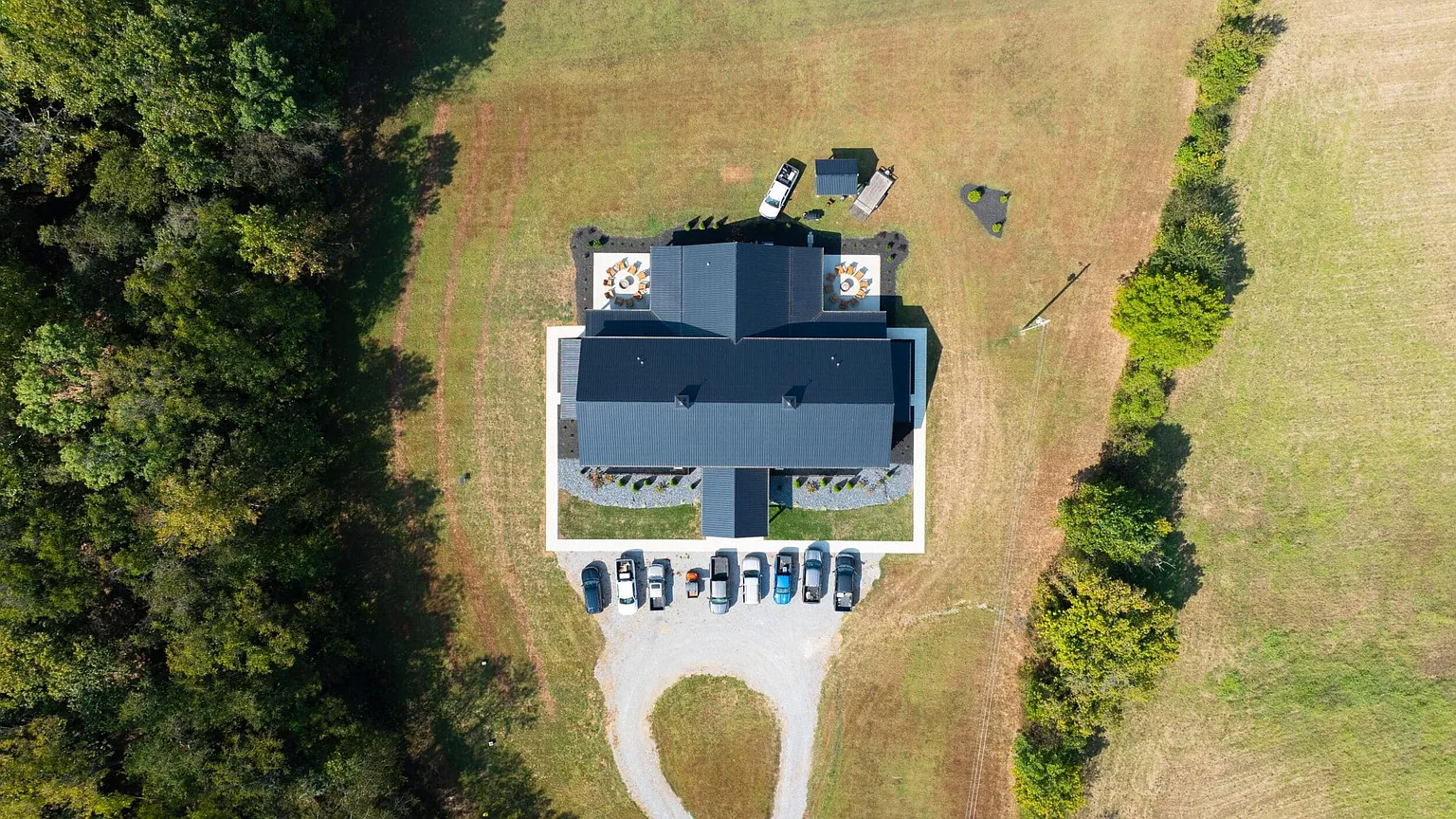
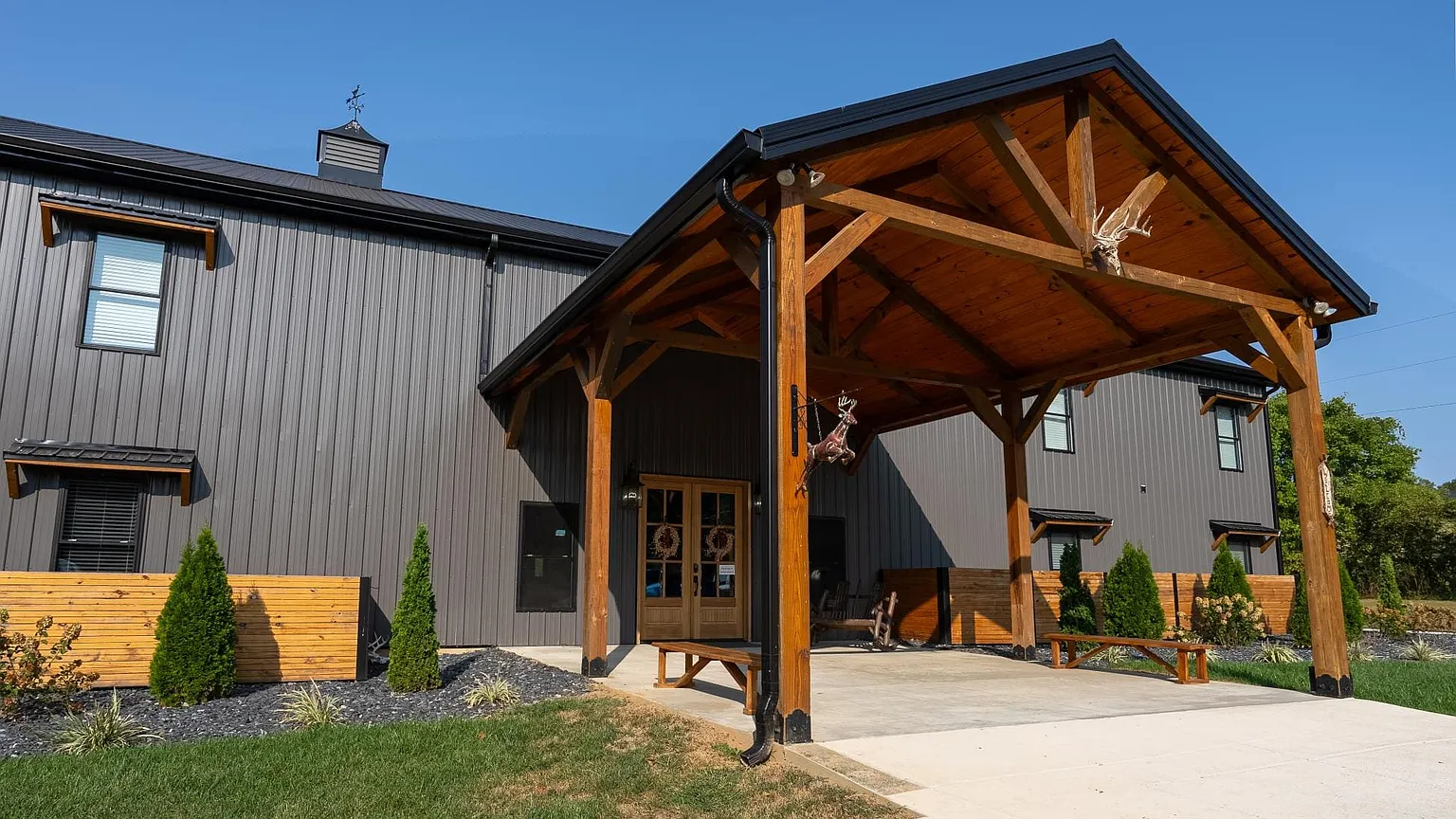
It is essential to find a local clinic when you are interested in schizoaffective disorder near Kentucky – there is a higher chance you commit to residential or outpatient care if you do not have to travel hours to get to the facility in question. Take a look at the map below to figure out where Kentucky Wellness Center is situated – you can also take a Virtual Tour ahead of your first appointment to see our facility and everything it has to offer.
Whether you were diagnosed with schizoaffective disorder recently or you have lived with this condition for a while, and your goal now is to find better coping mechanisms to cope with your symptoms, do not hesitate to speak to mental health professionals about the treatment options available to patients with this disorder. Our schizoaffective disorder treatment center will deliver compassionate, evidence-based care that will tackle your mental health concerns efficiently – reclaim your life and enhance self-awareness and coherence for a brighter and healthier future.
Contact Kentucky Wellness Center now – refer to our Contact Us page or call (270) 355-7231 to be one step closer to the emotional growth and transformation you deserve.
Cognitive and behavioral strategies can help a patient with schizoaffective disorder develop awareness of their mental health issues and learn how they affect them, while holistic techniques like art therapy and yoga therapy will ground them in the present moment and increase their psychological flexibility.
We accept most insurance plans to accommodate our clients to the best of our ability. Visit our Verify Insurance page to find out more information about the insurance coverage.
To ensure the safety of the patient and be able to respond to crises immediately, we will advise you to sign up for residential schizoaffective disorder treatment in Kentucky. However, there are individuals who can overcome their symptoms in an outpatient setting – it all depends on the severity and longevity of your condition. See our Levels of Care page for more details.
The manifestations of this condition can be psychotic, such as seeing and hearing things that are not actually real, depressive, such as low energy and emotional fatigue, and manic – a person may talk very quickly or be in an upbeat mood without a reason.
While both conditions involve psychotic symptoms like hallucinations and delusions, schizoaffective disorder also includes significant mood episodes – either depressive or manic – that are a core feature of the diagnosis rather than a secondary symptom. Treatment for schizoaffective disorder must address both components to be effective.
Treatment typically involves a combination of antipsychotics to manage psychotic symptoms and mood stabilizers or antidepressants to address the mood disorder component. A psychiatrist at our facility will evaluate your specific symptom profile and prescribe a regimen tailored to your needs, with ongoing monitoring to ensure effectiveness.
Yes. While schizoaffective disorder is a chronic condition, many patients experience significant improvement with the right combination of medication, therapy, and lifestyle support. Our goal at Kentucky Wellness Center is to help you achieve the highest level of functioning possible and maintain that stability through our aftercare and continuing support program.