
 Skip to content
 Wondering what residential mental health treatment actually looks like day to day? The unknown can feel intimidating – imagining sterile hallways, rigid schedules, and endless hours with nothing to do. The reality at Kentucky Wellness Center is different. Our days balance intensive therapeutic work with genuine comfort, nutritious meals prepared by our personal chef, physical activity, and time to decompress. Treatment is demanding, but it’s not punishment. It’s a chance to focus entirely on healing in an environment designed to support that process.
Understanding what daily life looks like can ease anxiety about entering treatment and help you prepare for the experience ahead. While every person’s schedule varies based on their individual treatment plan, this overview captures the rhythm of a typical day at our Kentucky facility.
Contact Kentucky Wellness Center at (270) 355-7231 or visit our Contact Us page to learn more about our residential program.
A typical day includes:
This structure isn’t rigid or punitive – it’s designed to maximize healing while allowing flexibility for individual needs. Your specific schedule depends on your treatment plan, which your clinical team develops based on your unique situation.

Mornings at Kentucky Wellness Center begin with enough time to wake gradually, attend to personal care, and prepare mentally for the day ahead. Unlike the rushed, anxiety-driven mornings many people experience before treatment, our mornings encourage mindfulness and intentional transition into the day.

Breakfast
Each morning starts with a nutritious breakfast prepared by our personal chef and culinary team. We believe that nourishing the body supports healing the mind, and our meals reflect that philosophy. Breakfast options accommodate dietary restrictions and preferences while providing the energy needed for a full day of therapeutic work.
Meals are served in a communal dining space where you’ll eat alongside peers. These shared meals build community and provide natural opportunities for connection – conversations over coffee that often become meaningful relationships.

Morning Check-In
Many days begin with a brief check-in, either with your treatment team or in a group setting. This is an opportunity to assess how you're feeling, set intentions for the day, and identify any concerns that need attention. Starting the day with this kind of reflection helps you engage more fully in the therapeutic work ahead.
Breakfast
Each morning starts with a nutritious breakfast prepared by our personal chef and culinary team. We believe that nourishing the body supports healing the mind, and our meals reflect that philosophy. Breakfast options accommodate dietary restrictions and preferences while providing the energy needed for a full day of therapeutic work.
Meals are served in a communal dining space where you’ll eat alongside peers. These shared meals build community and provide natural opportunities for connection – conversations over coffee that often become meaningful relationships.
Morning Check-In
Many days begin with a brief check-in, either with your treatment team or in a group setting. This is an opportunity to assess how you're feeling, set intentions for the day, and identify any concerns that need attention. Starting the day with this kind of reflection helps you engage more fully in the therapeutic work ahead.
The core of your day involves therapeutic activities – the work that produces lasting change. Your specific programming depends on your treatment plan, but most clients participate in a combination of individual therapy, group therapy, and holistic therapies throughout the week.
Individual Therapy
One-on-one sessions with your primary therapist provide space to explore personal concerns, process difficult material, and develop coping strategies tailored to your specific patterns. These sessions occur multiple times per week and form the backbone of your treatment.
Your therapist gets to know you deeply over the course of your stay – your history, your relationships, your triggers, your strengths. This relationship becomes a foundation for the therapeutic work and often continues through aftercare after you leave residential care.
Group Therapy Sessions
Group therapy is a cornerstone of residential treatment. Multiple times each week, you’ll participate in therapist-led groups addressing topics like coping skills, emotional regulation, relationship patterns, trauma processing, and condition-specific concerns.
Groups provide something individual therapy can’t: the experience of being understood by peers who share similar struggles. Hearing others articulate feelings you couldn’t name, witnessing someone else’s breakthrough, offering support and receiving it – these experiences are uniquely therapeutic. Many people arrive skeptical about group therapy and leave considering it the most valuable part of their treatment.
Holistic Therapies
Mental health conditions affect the whole person – body, mind, and spirit. Our holistic therapies address dimensions of wellness that talk therapy alone can’t reach.
Visit our Therapy Modalities page to explore the full range of approaches we offer.
Psychiatric Care
If your treatment includes medication management, you’ll have regular appointments with our psychiatric team. These sessions monitor how medications are working, address side effects, and make adjustments as needed. Having psychiatric care integrated into your daily treatment environment allows for closer monitoring and faster response than outpatient medication management typically provides.
Food matters for mental health. Nutritional deficiencies can worsen psychiatric symptoms – blood sugar fluctuations affect mood and energy – the ritual of shared meals builds community. We take nutrition seriously at Kentucky Wellness Center.
Chef-Prepared Cuisine
Our personal chef and culinary team prepare fresh, nutritious meals daily. This isn't institutional cafeteria food - it's thoughtfully crafted cuisine designed to nourish body and mind. Menus rotate regularly, incorporate seasonal ingredients, and accommodate dietary restrictions, including vegetarian, vegan, gluten-free, and allergy-specific needs.
Three meals plus snacks ensure you’re fueled throughout the day. The culinary team understands that many people arriving in treatment have disrupted eating patterns – whether from depression suppressing appetite, anxiety making meals difficult, or eating disorders requiring specialized attention. Our approach meets you where you are while supporting healthier relationships with food.
The Social Aspect of Meals
Meals are shared in community, providing a natural structure for the day and built-in opportunities for peer connection. Some of the most meaningful conversations happen over lunch or dinner - informal moments that complement formal therapy. These connections often become lasting friendships that support recovery long after treatment ends.
Chef-Prepared Cuisine
Our personal chef and culinary team prepare fresh, nutritious meals daily. This isn't institutional cafeteria food - it's thoughtfully crafted cuisine designed to nourish body and mind. Menus rotate regularly, incorporate seasonal ingredients, and accommodate dietary restrictions, including vegetarian, vegan, gluten-free, and allergy-specific needs.
Three meals plus snacks ensure you’re fueled throughout the day. The culinary team understands that many people arriving in treatment have disrupted eating patterns – whether from depression suppressing appetite, anxiety making meals difficult, or eating disorders requiring specialized attention. Our approach meets you where you are while supporting healthier relationships with food.
The Social Aspect of Meals
Meals are shared in community, providing a natural structure for the day and built-in opportunities for peer connection. Some of the most meaningful conversations happen over lunch or dinner - informal moments that complement formal therapy. These connections often become lasting friendships that support recovery long after treatment ends.
Physical movement supports mental health – research consistently demonstrates the mood-regulating, anxiety-reducing benefits of exercise. Our programming includes multiple opportunities for physical activity, from structured fitness to gentle outdoor recreation.

Our on-site gym provides space for exercise according to your preferences and abilities. Whether you prefer cardio equipment, weight training, or stretching, you can maintain or build a fitness routine during treatment. Exercise becomes part of your recovery toolkit – a healthy coping strategy you’ll take with you when you leave.
Fitness isn’t mandatory, and we meet you where you are physically. For some people, a short walk is a major achievement – for others, daily workouts are essential to managing symptoms. Your treatment team can help you develop an appropriate activity level.

Our Kentucky location offers something many treatment facilities can’t – genuine natural beauty and space to enjoy it. Nature walks on our grounds and surrounding areas provide fresh air, gentle movement, and the calming effects of time outdoors. Research supports what most people intuitively know – time in nature reduces stress, improves mood, and supports overall well-being.
The peaceful Kentucky countryside surrounding our facility offers a welcome contrast to the environments many clients come from. Whether you’re walking alone for reflection or with peers for conversation, outdoor time becomes a valued part of daily life.

For clients whose treatment plans include it, horseback riding and equine-assisted activities offer unique therapeutic benefits. Horses are remarkably attuned to human emotion, providing immediate feedback that builds self-awareness. The experience of connecting with these powerful, gentle animals can be profoundly grounding.
Equine experiences aren’t about becoming an expert rider – they’re about the therapeutic relationship between human and horse. No prior experience is necessary.
Evening meals bring the community together after the day’s individual and group activities. Dinner is followed by unstructured time for connection, conversation, and relaxation.
Some evenings include optional programming – support groups, educational sessions, wellness activities, or community meetings. These complement daytime therapy while allowing flexibility for rest when needed.
Not every moment is scheduled. You’ll have time to relax, watch TV in common areas, read, journal, call family during designated hours, or simply decompress. This downtime is important – processing intensive therapy requires mental rest, and having space to just be is part of healing.
Our common areas provide comfortable spaces for relaxation. You might watch a movie with peers, play games, or simply sit quietly. The choice is yours.
Healthy sleep is foundational to mental health recovery. Our evening routine supports good sleep hygiene – winding down activities, comfortable sleeping environments, and consistent schedules that help regulate circadian rhythms disrupted by mental illness.
Many people arrive at treatment with severely disrupted sleep. The structure of residential care, combined with therapeutic progress and medication optimization, often produces dramatic improvement in sleep quality over the course of treatment.
Weekends at Kentucky Wellness Center look somewhat different from weekdays. While therapeutic work continues, the schedule typically allows more unstructured time, recreational activities, and opportunities for family involvement.
Family Visits and Connection

Family Visits and Connection
Family Visits and Connection
Recreation and Rest
Recreation and Rest
Preparing for residential treatment includes practical considerations. Our What to Bring page provides detailed guidance on clothing, personal items, and what to leave at home. Generally, you’ll want comfortable clothing for therapy and physical activities, personal care items, and anything that provides appropriate comfort without interfering with treatment.
We provide linens, towels, and basic necessities. Our goal is for you to feel comfortable and at home while focusing on recovery rather than logistics.
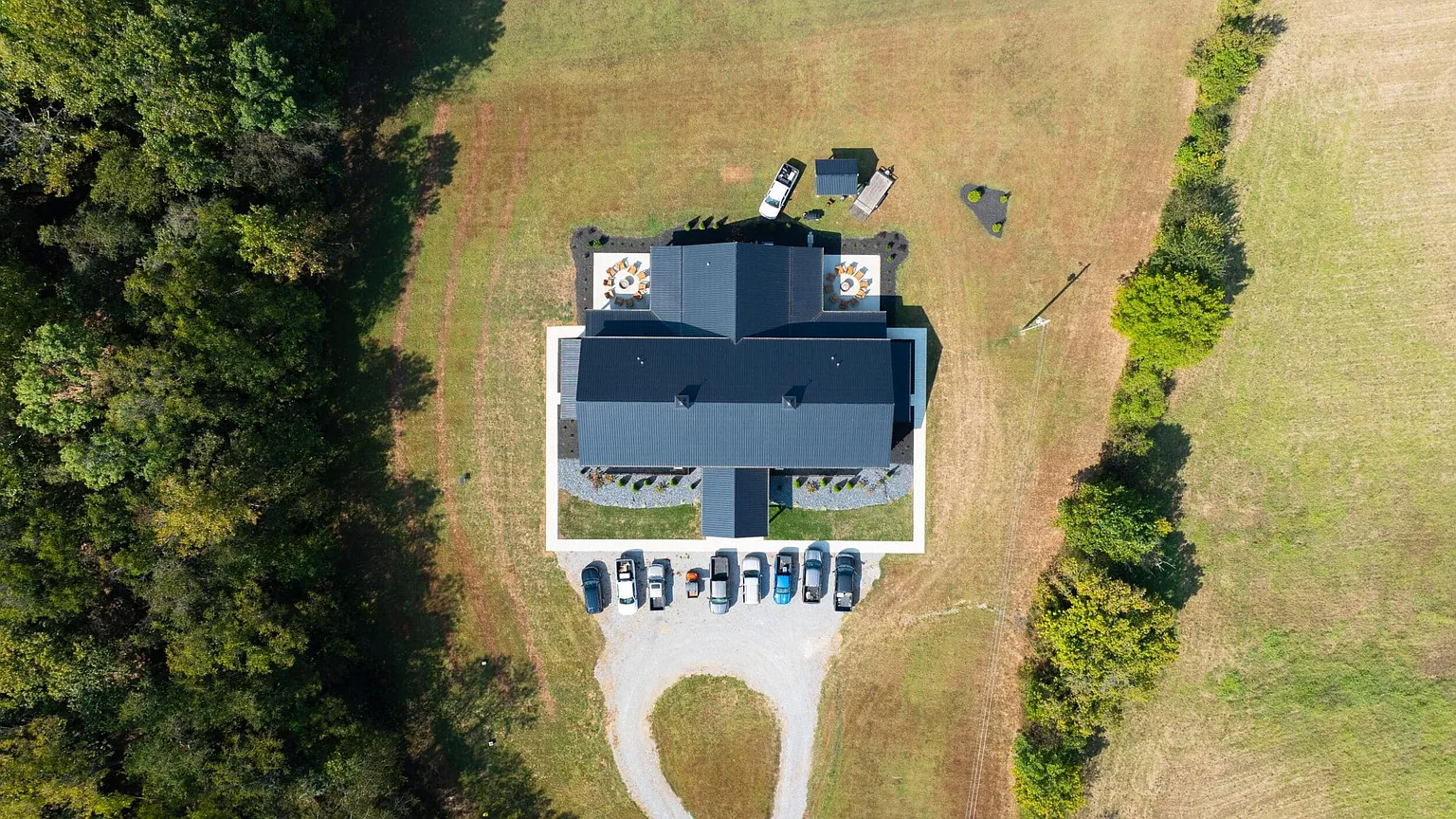
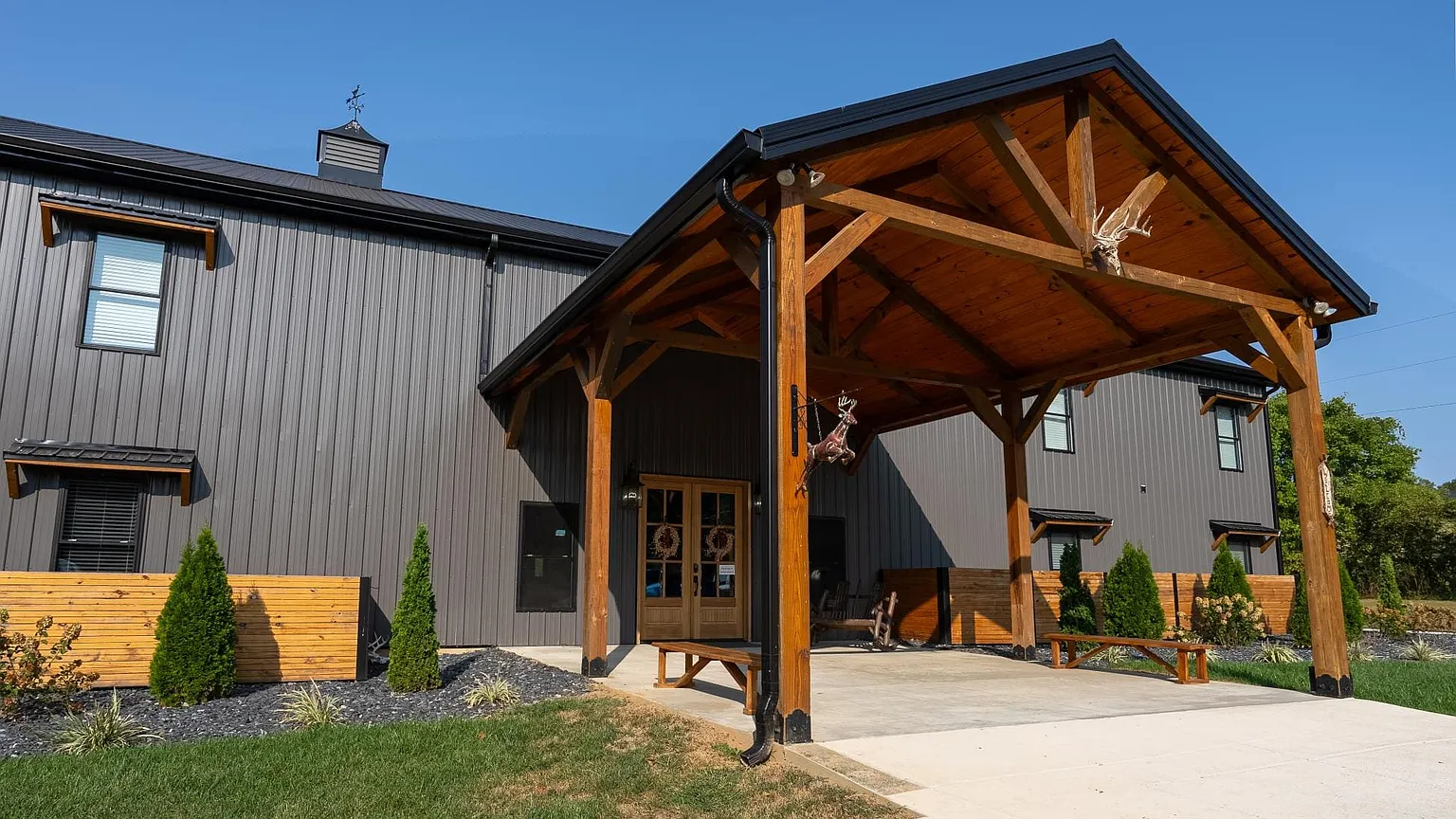
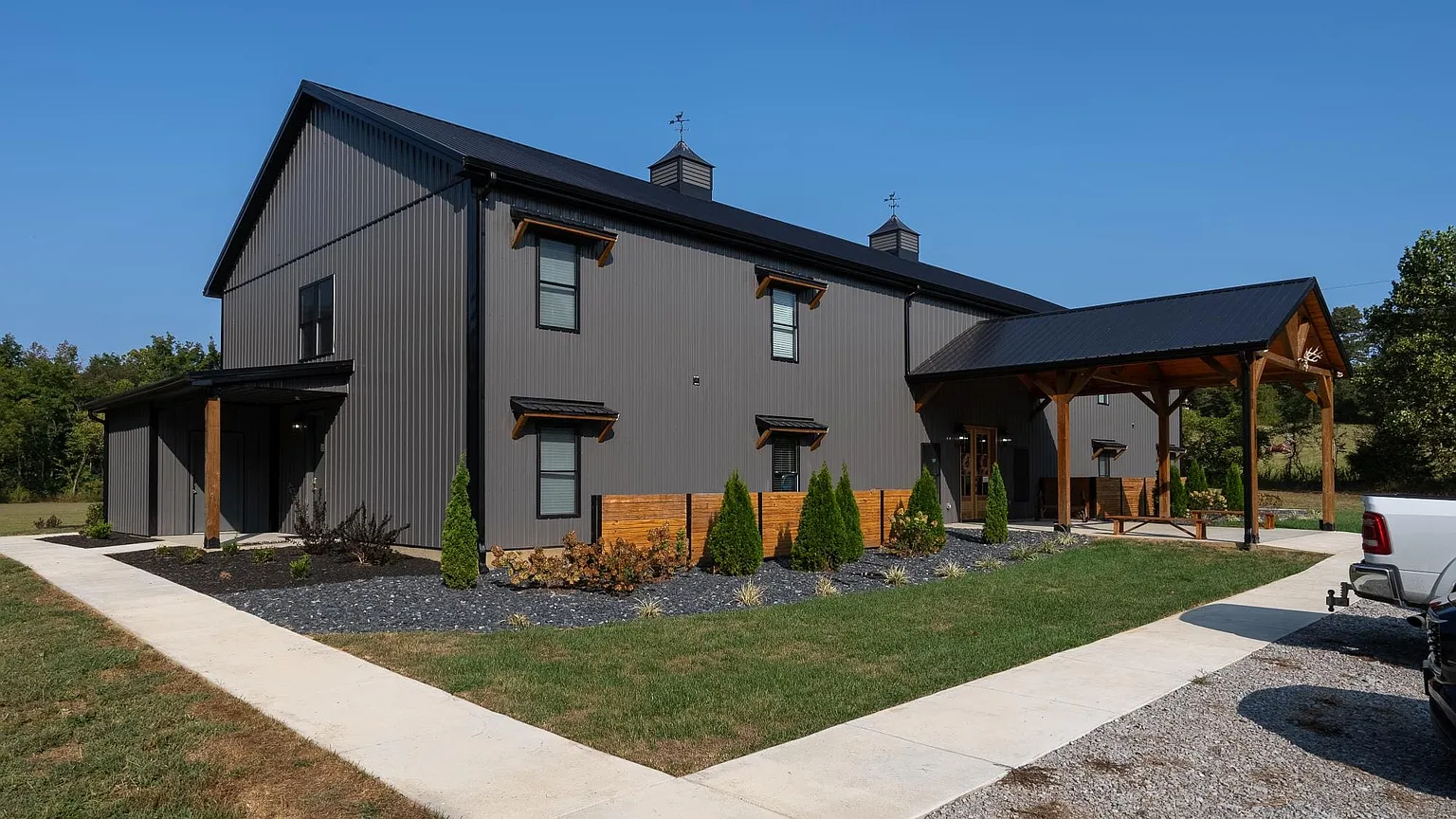
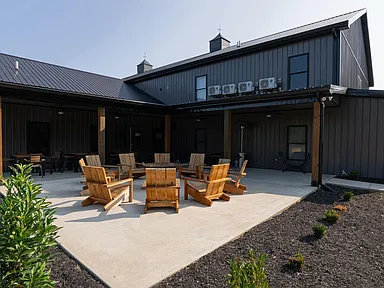
Daily life unfolds within an environment intentionally designed for healing. Our facility offers the warmth and comfort of a home rather than the sterile efficiency of an institution. Common areas invite connection, private spaces allow reflection, and the surrounding natural beauty provides a constant reminder that peace is possible.
This environment communicates something important: you deserve comfort and dignity, even – especially – when you’re struggling. Treatment is serious work, but it doesn’t require suffering through uncomfortable surroundings.
Visit our Virtual Tour page to preview our facility before arrival.
While this overview captures the general rhythm of daily life, your specific experience will be shaped by your individual treatment plan. Someone processing trauma may have more individual therapy – someone building distress tolerance skills may have more DBT groups – someone whose symptoms include physical manifestations may have more holistic body-based work.
Contact Kentucky Wellness Center at (270) 355-7231 or visit our Contact Us page for a free, confidential assessment to begin your journey toward recovery and renewed hope.
Days typically include morning routine and breakfast, individual and group therapy sessions, holistic therapies like yoga and art therapy, nutritious meals prepared by our chef, physical activity and recreation time, evening programming, and personal time for relaxation. Your specific schedule depends on your individualized treatment plan.
Our personal chef and culinary team prepare fresh, nutritious meals daily – not institutional cafeteria food. Menus rotate regularly, accommodate dietary restrictions (vegetarian, vegan, gluten-free, allergies), and focus on nourishing both body and mind. Three meals plus snacks are provided daily.
While treatment provides structure, you’ll have personal time for relaxation, reading, watching TV, journaling, calling family, or simply decompressing. This downtime is important for processing intensive therapy. Evenings and weekends typically offer more unstructured time.
Options include our on-site gym for fitness activities, yoga therapy sessions, nature walks on our grounds and surrounding areas, and equine experiences including horseback riding for appropriate clients. Physical activity supports mental health, and we offer options for different fitness levels and preferences.
Yes, family visits are typically scheduled during designated visiting hours, often on weekends. Family members may also participate in family therapy sessions as part of your treatment plan. Maintaining family connections supports recovery while appropriate boundaries protect your therapeutic work.
Bring comfortable clothing for therapy and physical activities, personal care items, and anything providing appropriate comfort. We provide linens, towels, and basic necessities. Visit our What to Bring page for detailed packing guidance and information about items to leave at home.
Length of stay varies based on clinical needs, treatment progress, and insurance coverage. Short-term stays of 2-4 weeks, standard stays of 30-60 days, and extended stays of 60-90+ days all serve different needs. Your treatment team recommends duration based on your specific situation. Visit our Residential Mental Health Treatment page for more information.