
 Skip to content
 If you have been experiencing thoughts of ending your life, please know that these thoughts do not define you – and they do not have to control your future. Suicidal ideation can feel isolating and frightening, but it is a treatable condition, and countless people who once felt hopeless have gone on to build meaningful, fulfilling lives. Kentucky Wellness Center provides compassionate, specialized treatment for suicidal ideation near Kentucky, offering the safety, clinical expertise, and genuine human connection needed to help you move through this darkness toward healing.
If you are in immediate crisis, please call 988 (Suicide and Crisis Lifeline) or go to your nearest emergency room.
When you are ready to explore treatment options, contact Kentucky Wellness Center at (270) 355-7231 or visit our Contact Us page to speak with our admissions team about how we can support your recovery.

Hana Giambrone

Lori Humphrie

Dr. Jason Miller
Suicidal ideation refers to thoughts about ending one’s own life, ranging from fleeting wishes that life would stop to detailed plans for suicide. It is a serious mental health condition that requires professional attention, but it is important to understand that having these thoughts does not mean you will act on them – and with proper treatment, these thoughts can diminish significantly or resolve entirely.
Mental health professionals distinguish between passive suicidal ideation and active suicidal ideation. Passive suicidal ideation involves wishes to be dead or thoughts that life is not worth living without specific intent or plans to act. A person might think “I wish I could go to sleep and not wake up” or “everyone would be better off without me.” Active suicidal ideation involves thoughts accompanied by intent, plans, or consideration of methods. Both forms indicate significant distress and benefit from professional intervention.
Chronic suicidal ideation – persistent thoughts about suicide over extended periods – can be particularly exhausting and demoralizing. Living with these thoughts day after day takes an enormous toll, yet many people suffer in silence due to shame, fear of hospitalization, or worry about burdening others. At Kentucky Wellness Center, we create a safe, non-judgmental space where you can speak openly about your experiences and receive the specialized care you need.
Suicidal ideation rarely exists in isolation. It frequently accompanies other mental health conditions, including bipolar disorder, PTSD, and anxiety disorders. Effective treatment must address these underlying conditions alongside the suicidal thoughts themselves.





Living with suicidal thoughts is not the same as actively planning to end your life – but the distance between those two things is smaller than most people realize, and the daily experience of carrying these thoughts is heavier than anyone who has not experienced it can understand.
Suicidal ideation occupies mental real estate that leaves less room for everything else. You may go through the motions of your day – working, talking, eating – while a parallel track runs underneath: calculating whether life is worth continuing, weighing the impact your death would have on others, and evaluating whether the pain you feel will ever end. This dual existence is exhausting. You are performing normalcy on the surface while managing a crisis internally, and the energy required to sustain that performance depletes your reserves for actual engagement with life.
The isolation is compounding. You do not tell people because you fear their reactions – hospitalization, panic, judgment, or the unbearable discomfort of watching someone try to fix something they cannot. So you carry it alone, and the loneliness of that silence reinforces the belief that you are a burden, that no one can help, that the world would be simpler without you. These conclusions feel like observations from the outside, but they are symptoms – distortions produced by a brain under extreme duress – and they respond to treatment.
Kentucky Wellness Center provides a space where you can speak openly about what you are experiencing without fear of punishment or dismissal. We treat suicidal ideation as the clinical condition it is – with expertise, safety, and the genuine human connection that recovery depends on.
Understanding the factors that contribute to suicidal thoughts can help reduce shame and guide effective treatment. Suicidal ideation typically arises from a combination of biological vulnerabilities, psychological factors, and life circumstances rather than a single cause.
Underlying mental health conditions are present in the vast majority of people who experience suicidal ideation. Depression is most commonly associated with suicidal thoughts, but trauma disorders, personality disorders, and severe anxiety can all contribute. When these conditions go untreated or inadequately treated, the risk of suicidal ideation increases substantially.
Life experiences and circumstances play significant roles. Trauma – including childhood abuse, assault, combat exposure, or other overwhelming experiences – can create lasting psychological wounds that manifest as suicidal thoughts. Major losses such as the death of a loved one, end of a relationship, job loss, or financial crisis can trigger acute episodes. Chronic pain, serious medical diagnoses, and prolonged social isolation also increase vulnerability.
Neurobiological factors influence suicide risk as well. Research has identified differences in brain chemistry and function among individuals who experience suicidal ideation, particularly involving serotonin and other neurotransmitters that regulate mood. Family history of suicide or mental illness suggests genetic components may also contribute to vulnerability.
Suicidal ideation is nearly always accompanied by one or more underlying mental health conditions that drive the hopelessness, emotional pain, or perceived burden fueling the thoughts. Treating the ideation without addressing these root conditions is insufficient – lasting relief requires resolving what produces the despair.
Depression and mood disorders are the most common underlying conditions – the hopelessness, anhedonia, and emotional exhaustion they produce create the cognitive environment in which suicidal thoughts take root. Bipolar disorder presents specific risk during depressive episodes and mixed states, when intense emotional distress combines with the impulsivity that characterizes the condition.
Trauma disorders contribute to suicidal ideation through the cumulative weight of unprocessed pain and the belief that the effects of trauma are permanent and inescapable. Eating disorders and self-harm represent additional risk factors, as both involve a compromised relationship with the body that can lower the barrier to self-directed harm.
Our clinical team at Kentucky Wellness Center identifies every contributing condition during your assessment and integrates them into a comprehensive treatment plan. Addressing the depression, trauma, or mood instability underneath the ideation is what produces lasting change – not simply monitoring the thoughts themselves.
Effective treatment for suicidal ideation combines evidence-based therapeutic approaches with safety planning, medication management when appropriate, and comprehensive support. The goal is not merely to reduce immediate risk but to address the underlying pain driving suicidal thoughts and build reasons for living.
Cognitive behavioral therapy (CBT) helps individuals identify and restructure the hopeless, distorted thinking patterns that fuel suicidal ideation. Thoughts like “things will never get better” or “I have no reason to live” are examined, challenged, and gradually replaced with more balanced perspectives grounded in reality.
Group therapy offers unique benefits by reducing isolation and connecting individuals with others who understand their struggles. Discovering that you are not alone in your experiences can be profoundly healing and provides opportunities to both give and receive support.
A critical component of treatment is developing a personalized safety plan for suicidal ideation. This collaborative document identifies warning signs, coping strategies, supportive contacts, and professional resources to access during crisis moments. Having a concrete plan in place provides structure and options when suicidal thoughts intensify.
Regarding Levels of Care, residential suicidal ideation treatment is often the safest and most effective option, particularly for individuals with active suicidal ideation, recent attempts, or co-occurring conditions that complicate outpatient care. The structured, supportive environment of residential treatment removes access to means, provides continuous monitoring, and allows intensive therapeutic engagement. As stability increases and coping skills strengthen, clients can transition to lower levels of care with appropriate support.
Safety is the clinical foundation, but treatment does not end with safety – it begins there. Our approach moves beyond monitoring and containment to actively address the conditions producing your suicidal thoughts so that the need for constant safety vigilance diminishes over time.
Your treatment begins with a detailed risk assessment and the development of a personalized safety plan – a concrete document that identifies your warning signs, coping strategies, support contacts, and environmental safeguards. This plan is not a formality; it is a living tool that your treatment team reviews and updates regularly throughout your stay.
From this stable foundation, therapeutic work targets the underlying conditions driving your ideation. Psychodynamic therapy may explore the core beliefs – about worthlessness, burdensomeness, or inescapable pain – that suicidal thoughts feed on. CBT addresses the cognitive distortions that make permanent solutions feel like the only answer to temporary states. Medication management with a psychiatrist can address the neurochemical imbalances contributing to your distress.
Patients in our residential mental health treatment program benefit from 24-hour clinical supervision during the most acute phase – not as a form of restriction, but as a genuine safety net that allows you to focus on recovery without managing risk alone. Group therapy provides a connection with peers who understand the weight of what you are carrying. Our aftercare and continuing support program includes structured step-down planning so that discharge does not feel like a cliff.
The timeline for treatment for suicidal ideation varies based on individual factors, including the severity and duration of symptoms, presence of co-occurring conditions, history of suicide attempts, and response to therapeutic interventions.
Many individuals experience a significant reduction in suicidal thoughts within four to eight weeks of intensive treatment as they develop new coping skills, begin processing underlying pain, and establish reasons for living. The acute crisis often stabilizes relatively quickly with appropriate care and support.
However, building lasting resilience and addressing the root causes of suicidal ideation typically requires sustained therapeutic work over several months. Chronic suicidal ideation that has persisted for years may take longer to resolve completely, though meaningful improvement is still achievable. Your treatment team will work with you to establish realistic expectations and ensure you have robust support systems in place before transitioning out of intensive care.
We fundamentally believe in recovery. Our team has witnessed countless individuals move from hopelessness to lives filled with meaning and connection. We hold hope for you even when you cannot hold it for yourself, and we work to help you rediscover your own reasons for living.
Our clinical staff has specialized training in suicide risk assessment and intervention. We provide a physically safe environment with appropriate monitoring while avoiding the cold, institutional feel that can make treatment feel punitive. Safety and dignity go hand in hand at our facility.
Recovery does not end at discharge. We prioritize thorough treatment planning for suicidal ideation that extends beyond your time with us, connecting you with outpatient providers, support groups, and community resources. Our goal is to ensure you never feel abandoned or without options.

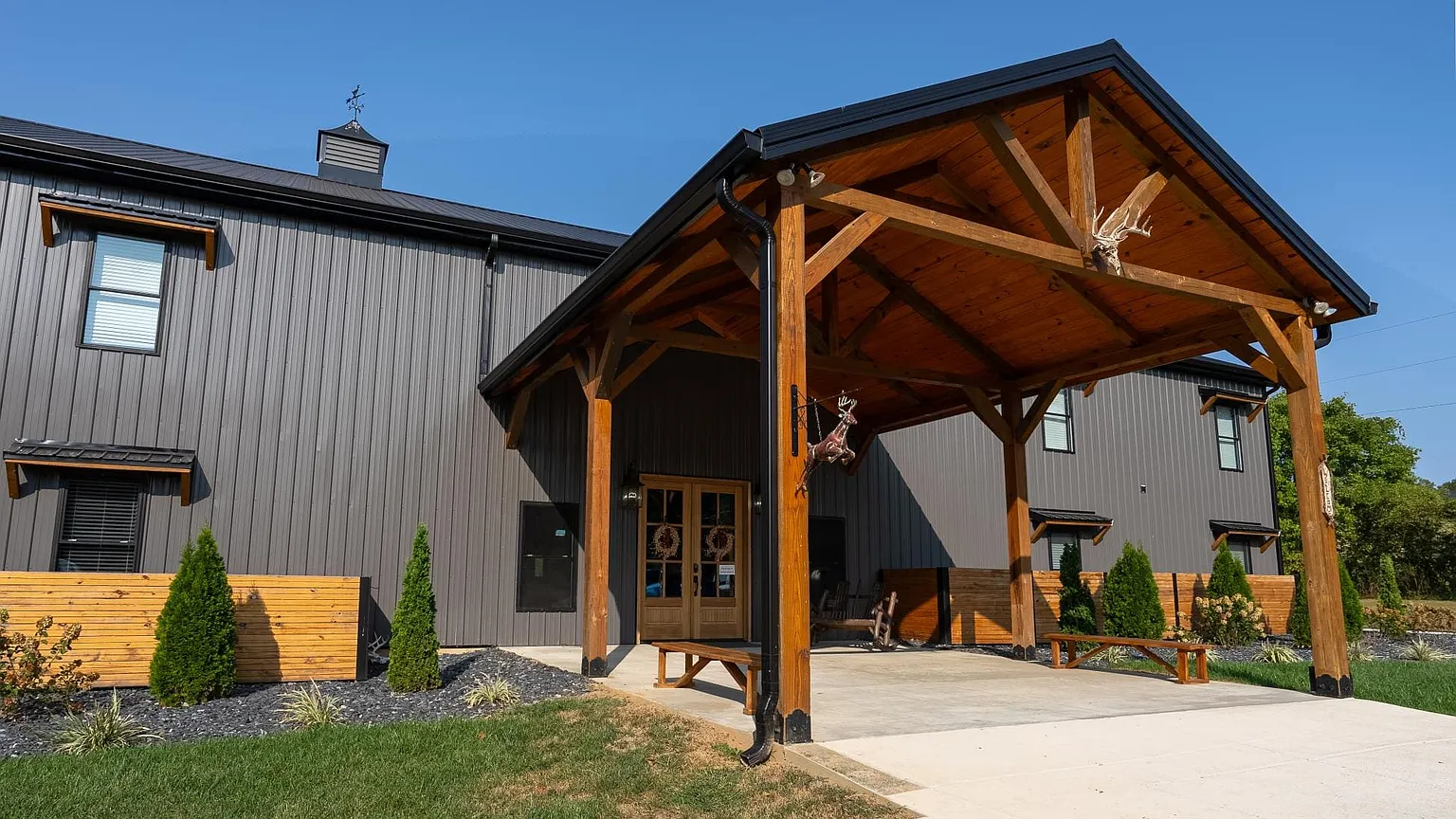
Finding specialized care for suicidal ideation close to home allows loved ones to participate in your treatment and ensures you have local support systems in place when you complete residential care. Kentucky Wellness Center is located in Kentucky, and welcomes individuals from throughout Kentucky and neighboring states who are struggling with suicidal thoughts.
The map below shows our location and directions to our facility. You can preview our treatment environment by visiting our Virtual Tour page to see our campus, living spaces, and therapeutic areas before admission.
If you are experiencing suicidal thoughts, reaching out for help is one of the bravest and most important things you can do. These thoughts may tell you that no one cares or that nothing can help, but those thoughts are symptoms of your condition – not facts. People do care, treatment does work, and your life has value that suicidal ideation obscures from your view.
If you are looking for guidance on how to deal with suicidal ideation in Kentucky, Kentucky Wellness Center provides the specialized, compassionate care needed to help you survive this crisis and build a future worth living. Our admissions team understands the courage it takes to make this call, and they will treat you with the respect and kindness you deserve.
Contact Kentucky Wellness Center at (270) 355-7231 or visit our Contact Us page to schedule a confidential assessment. If you are in immediate danger, please call 988 or go to your nearest emergency room.
Suicidal ideation refers to thoughts about ending one’s life, while a suicide attempt is an action taken with the intent to die. Suicidal ideation ranges from passive suicidal ideation (wishing to be dead without plans) to active ideation (thoughts with intent or plans). Both require professional attention, but having thoughts does not mean you will act on them – and effective treatment can significantly reduce or eliminate these thoughts.
Kentucky Wellness Center offers multiple evidence-based approaches for treating suicidal ideation. CBT addresses hopeless thinking patterns, and psychodynamic therapy helps explore deeper emotional roots. See our Therapy Modalities page for more details on the types of treatments we offer.
Yes, we accept most major insurance plans to help make treatment for suicidal ideation accessible. Our admissions team can verify your benefits and explain coverage before you begin treatment. Visit our Insurance Verification page or call (270) 355-7231 to confirm what your plan covers.
A safety plan for suicidal ideation is a personalized document created collaboratively with your treatment team that outlines warning signs, coping strategies, supportive people to contact, and professional resources to access during moments of crisis. Having this concrete plan provides structure and options when suicidal thoughts intensify, helping you navigate dangerous moments without acting on urges.
At Kentucky Wellness Center, we create a space where you can discuss suicidal ideation openly without automatic punitive responses. Our goal is voluntary, collaborative treatment. Involuntary intervention occurs only when there is imminent danger, and even then, the priority is your safety and dignity – not punishment for being honest about your experience.
Yes. With effective treatment of the underlying conditions – depression, trauma disorders, mood disorders, and others – suicidal thoughts can diminish significantly or resolve entirely. Many individuals who once experienced chronic ideation go on to live fulfilling lives without those thoughts returning. The key is addressing the root causes, not just managing the symptoms.
Passive suicidal ideation involves wishes to be dead or thoughts that life is not worth living, without specific plans or intent to act. Active suicidal ideation involves thoughts accompanied by intent, planning, or consideration of methods. Both forms indicate significant distress, and both benefit from professional intervention – the distinction helps clinicians calibrate the urgency and intensity of your treatment.