
 Skip to content
 Deciding to seek mental health treatment comes with a lot of questions – about the process, the cost, what treatment actually looks like, and whether it will really help. That’s normal. The more you understand about what to expect, the easier it becomes to take the next step.
This page answers the questions we hear most often from prospective clients and their families. If you don’t find what you’re looking for here, our admissions team is available 24/7 at (270) 355-7231 to provide personalized guidance. There’s no such thing as a question too small or too specific to ask.

What is Kentucky Wellness Center?
Kentucky Wellness Center is a residential mental health treatment facility located in Kentucky. We provide comprehensive, evidence-based treatment for adults experiencing a range of mental health conditions, including depression, anxiety disorders, bipolar disorder, PTSD, personality disorders, eating disorders, and other psychiatric conditions. Our program combines individual therapy, group therapy, psychiatric care, and holistic approaches within a structured, supportive environment designed to promote lasting recovery.
Who do you treat? What is your patient population?
We treat adults (18 and older) of all genders and backgrounds. Our clients come from Kentucky and surrounding states, including Tennessee, Indiana, Illinois, Missouri, and Ohio. We serve individuals who need a higher level of care than outpatient therapy can provide – people whose mental health symptoms significantly interfere with daily functioning, safety, or quality of life.
What makes Kentucky Wellness Center different from other treatment facilities?
Several factors distinguish our program:
Visit our What Makes Us Different page to learn more about our approach.
Where are you located?
Our facility is located in Kentucky, in the western part of the state. We’re approximately:
The nearest major airport is Nashville International Airport (BNA), about 90 minutes from our facility. Visit our Contact Us page for detailed directions and travel information.
Can I tour the facility before committing to treatment?
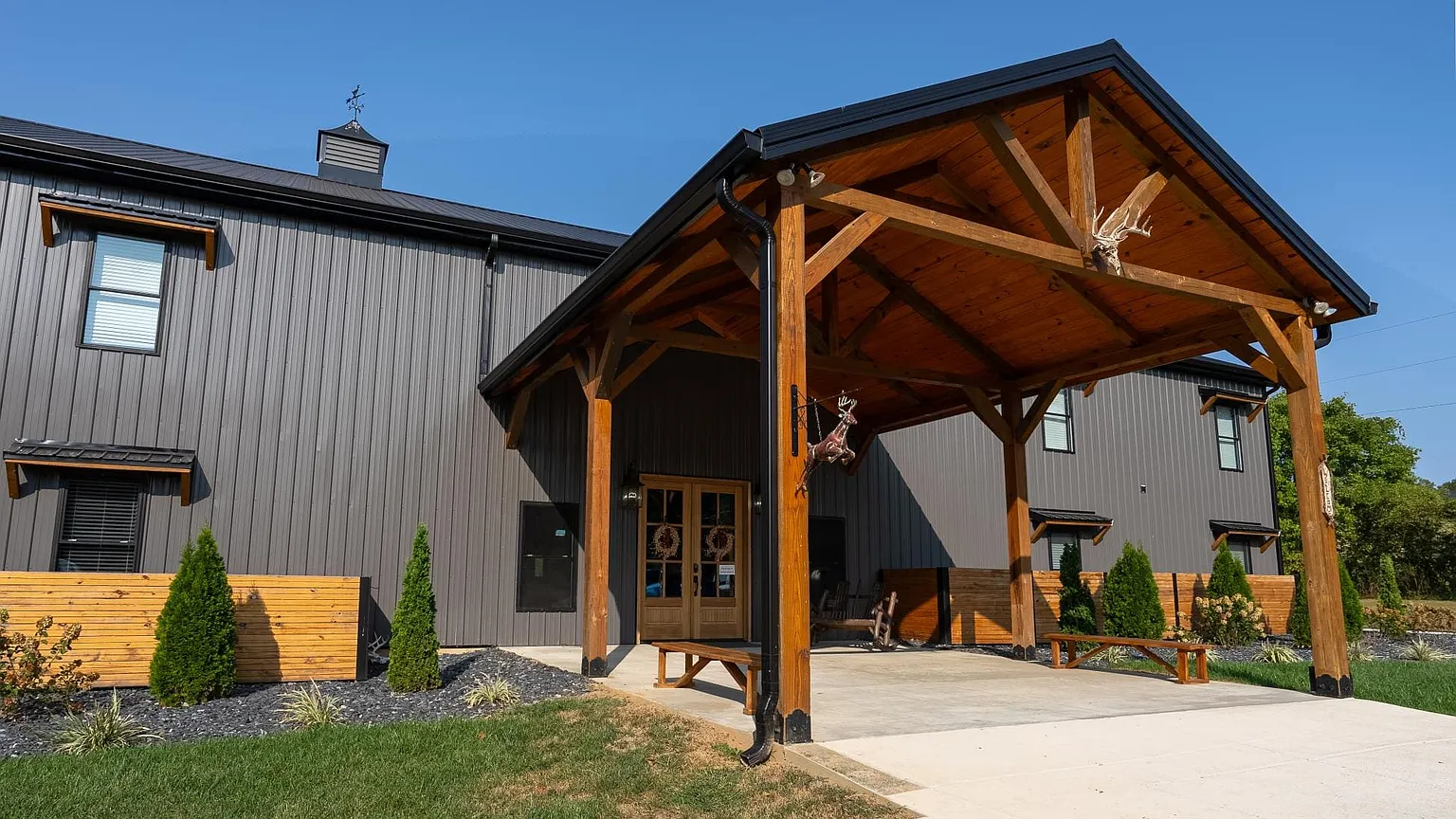
Yes. We offer in-person tours by appointment for prospective clients and their families. Tours give you the opportunity to see our living spaces, therapy rooms, and common areas, meet members of our team, and ask questions in person. If you can’t visit in person, our Virtual Tour page allows you to preview the facility online.
How do I start the admissions process?
Starting is simple. Call our admissions line at (270) 355-7231 or submit an inquiry through our Contact Us page. A member of our team will listen to your situation, answer your questions, and guide you through the next steps. The process typically includes insurance verification, a clinical assessment, and scheduling your admission date. Visit our Admissions Process page for a detailed overview.
Do I need a referral from a doctor to be admitted?
No referral is required. You can contact us directly to begin the admissions process. During the clinical assessment, we gather the information needed to determine appropriate care. If you have records from previous providers, sharing them can help us develop your treatment plan, but they’re not required.
How quickly can I be admitted?
The timeline depends on insurance verification and your personal circumstances, but same-day admissions are available when clinical need requires immediate care. For most people, the process from initial call to admission takes 24 to 72 hours. If you need more time to prepare – arranging responsibilities, notifying your employer, or getting ready emotionally – we work with your schedule.
What if I'm not sure I need residential treatment?
Many people aren’t sure when they first call – that’s what the clinical assessment is for. Our team evaluates your symptoms, history, and circumstances to recommend the most appropriate level of care. If we believe that outpatient therapy, our virtual treatment program, or another approach would serve you better, we’ll tell you honestly and help connect you with appropriate resources. We’d rather point you in the right direction than admit you to a program that isn’t the best fit.
What should I bring to treatment?
Pack comfortable clothing for 7-14 days (laundry facilities are available), all current medications in original containers, personal hygiene items, comfort items from home, and any medical devices you use daily. Leave valuables, weapons, substances, and certain restricted items at home. Our What to Bring page provides comprehensive packing guidelines.
Can I bring my phone?
Yes, but with limitations. Cell phones are collected upon admission and stored securely. You’ll have access during designated times for calls with approved contacts. This policy helps you focus on treatment without the distractions of constant connectivity – most clients come to appreciate this structure.
Do you accept insurance?
Yes. We work with most major insurance providers. Mental health parity laws require insurers to cover mental health care at levels comparable to physical health care, including residential treatment when medically necessary. Visit our Insurance page to see a list of accepted plans.
How do I find out if my insurance covers treatment?
Our admissions team verifies your insurance benefits at no cost and with no obligation. When you call, we’ll gather your insurance information and contact your provider directly to determine:
You’ll receive a clear explanation of your coverage before making any commitment. Visit our Insurance Verification page to get started.
How much does treatment cost?
Costs vary based on your length of stay, the services you receive, and your insurance coverage. For many clients, insurance covers a substantial portion of treatment costs. Our admissions team provides a clear estimate of your financial responsibility after verifying your benefits, so you know what to expect before admission.
What if I don't have insurance?
Not having insurance doesn’t mean treatment is out of reach. We offer private pay options and can discuss payment arrangements that work with your financial situation. The cost of untreated mental illness – lost wages, damaged relationships, emergency interventions, diminished quality of life – often exceeds the investment in comprehensive treatment.
Will I have to pay anything out of pocket?
Most people have some out-of-pocket responsibility, depending on their insurance plan’s deductible, copay, and coinsurance structure. Our team explains your specific costs upfront so there are no surprises. We can also discuss payment options if your out-of-pocket expenses create a barrier.
What does a typical day in treatment look like?
Days in residential treatment follow a structured schedule designed to promote healing. A typical day might include:
Your specific schedule depends on your treatment plan. Some days include family therapy sessions, medication management appointments, or specialized programming.
Will I see a psychiatrist?
Yes. Our medical team includes psychiatrists who provide comprehensive psychiatric evaluation, medication management, and ongoing monitoring throughout your stay. If you’re currently taking psychiatric medications, our psychiatrist will review them and may make adjustments as part of your personalized treatment plan. If you’re not on medications, the team will assess whether medication might benefit your treatment.
How long does treatment last?
Length of stay varies based on clinical needs, treatment progress, and insurance coverage. General guidelines:
Your treatment team continuously assesses progress and adjusts recommendations accordingly. We advocate with insurance companies when clinical judgment indicates longer stays are necessary.
What if I've tried treatment before and it didn't work?
Many of our clients have previous treatment experiences that didn’t lead to lasting change. That doesn’t mean treatment can’t work – it may mean you need a different approach, a higher level of care, or more time. Residential treatment provides intensity and immersion that outpatient therapy cannot match. Our team will review your treatment history to understand what’s been tried, what helped, and what didn’t, then design an approach that addresses the gaps.
Do you treat co-occurring conditions?
Yes. Many people experience multiple mental health conditions simultaneously – for example, depression and anxiety, PTSD and OCD, or bipolar disorder and an eating disorder. Our clinical team has expertise across diagnostic categories and designs integrated treatment plans that address the full picture, not just one diagnosis in isolation.
Where will I sleep? What are the living arrangements?
Clients stay in comfortable rooms on our campus. Rooms are designed to feel more like a home than a hospital. You’ll have storage space for personal belongings, access to shared bathrooms, and common areas for socializing with peers. Our Virtual Tour shows our living spaces if you’d like to preview them.
What is the food like?
Our facility employs a private chef and provides three nutritious meals daily, along with snacks. Menus are designed to support physical and mental wellness. We accommodate dietary restrictions, food allergies, and special dietary needs – just let us know during admissions. For clients with eating disorders, our team provides specialized nutritional support and meal planning.
Can I go outside?
Yes. Our campus includes outdoor spaces, and clients have access to fresh air and nature as part of the therapeutic environment. Some outdoor activities may be incorporated into programming, and free time often includes opportunities to spend time outside.
Will I have a roommate?
Room arrangements vary. Some clients have private rooms – others share with one or more peers. If you have specific concerns about room arrangements, discuss them with your admissions coordinator. Living alongside others in treatment is actually part of the therapeutic experience – it creates opportunities for peer support and practicing interpersonal skills.
Is there free time, or is every minute scheduled?
While days are structured, you’ll have free time for rest, reflection, reading, journaling, and connecting with peers. Balance is important – intensive therapy requires mental energy, and downtime allows for processing and integration. That said, treatment isn’t a vacation – expect to be engaged in therapeutic activities for much of each day.
Can I exercise?
Yes. Physical activity supports mental health, and we encourage movement. Our facility has exercise options available, and some programming includes yoga, walking, or other physical activities. If you have specific fitness needs or limitations, let us know.
What if I have dietary restrictions or allergies?
We accommodate vegetarian, vegan, gluten-free, kosher, halal, and other dietary requirements. Medical dietary needs (such as those related to diabetes) are coordinated with our medical team. Let us know about any allergies or restrictions during the admissions process so we can prepare appropriately.
Can my family visit?
Yes. We encourage family involvement and have designated visiting hours for family members. Visits allow you to maintain connections with loved ones while still benefiting from the structured treatment environment. Specific visiting schedules are explained during orientation.
Can my family participate in my treatment?
Absolutely. Family therapy is a core component of our program. Family sessions help improve communication, address relationship dynamics, and prepare everyone for your eventual return home. We also offer family education to help your loved ones understand mental health conditions and how to support your recovery.
How can my family contact me during treatment?
You’ll have access to phones during designated times for calls with approved contacts. Family members can also reach our main line at (270) 355-7231 if they need to contact you urgently. Our staff can relay messages and facilitate communication as needed.
What resources are available for families?
We provide education, support, and guidance for families throughout the treatment process. This includes family therapy sessions, educational materials about mental health conditions, communication coaching, and discharge planning that prepares the whole family for the transition home. Visit our Family Resources page for more information.
Can my family bring me things during treatment?
Yes. Family members can bring additional clothing, comfort items, or other permitted belongings during visiting hours. All items are subject to inspection for safety. If you need something specific, coordinate with staff to ensure it’s permitted.
What happens when I complete treatment?
Discharge planning begins early in your stay – not at the last minute. Before you leave, your team helps you:
The goal is to ensure you have the support structure needed to maintain progress after leaving our facility.
Do you provide aftercare support?
Yes. Treatment doesn’t end at discharge. We offer alumni resources and continuing care connections to support your ongoing recovery. Our team follows up after discharge and remains a resource as you navigate life after residential treatment. Visit our Aftercare & Continuing Support page to learn more.
What if I relapse or need to come back?
Recovery isn’t always linear. If you experience setbacks after discharge, reaching out for help is a sign of strength, not failure. You can always contact us to discuss your situation and explore options, whether that means returning for additional residential treatment, adjusting your outpatient care, or accessing other resources.
Will you coordinate with my outpatient providers?
Yes. With your consent, we communicate with your existing providers to ensure continuity of care. This might include sharing treatment summaries, coordinating medication management, and providing recommendations for ongoing care. Seamless transitions between levels of care improve long-term outcomes.
Is my treatment confidential?
Absolutely. Your treatment at Kentucky Wellness Center is protected by federal healthcare privacy laws (HIPAA) and state confidentiality regulations. We cannot disclose information about your treatment to anyone – including family members, employers, or other parties – without your explicit written consent. The exceptions are limited situations required by law, such as imminent danger to yourself or others.
Will my employer find out I'm in treatment?
Not from us. We do not contact employers or disclose treatment information without your consent. If you need documentation for medical leave (such as FMLA), we can provide appropriate paperwork that confirms you’re receiving medical treatment without disclosing details about your mental health.
Is treatment voluntary? Can I leave if I want to?
Treatment at Kentucky Wellness Center is voluntary for adults. While we strongly encourage clients to give the program a genuine chance – early discomfort often transforms into meaningful progress – you maintain the right to leave. If you’re considering leaving early, our clinical team will discuss your concerns and may recommend adjustments to your treatment plan before you make a final decision.
What happens in an emergency?
Our facility is staffed 24 hours a day by trained professionals, including nursing staff. If a medical or psychiatric emergency occurs, our team responds immediately and coordinates with emergency services as needed. Our priority is always client safety.
How do you keep the facility safe?
We maintain a substance-free, weapon-free environment. All belongings are inspected upon admission. Certain items (sharp objects, medications, some electronics) are stored securely and accessed with staff assistance. These policies exist to protect everyone in our therapeutic community, not to punish or restrict.
What if I'm in crisis right now?
If you’re experiencing a mental health crisis and need immediate support, call us at (270) 355-7231 – we’re available 24/7. If you’re in immediate danger or having thoughts of harming yourself or others, please call 911 or go to your nearest emergency room. You can also reach the 988 Suicide and Crisis Lifeline by calling or texting 988.

This page covers the most common questions, but your situation is unique. If something isn’t addressed here – or if you’d like to discuss your specific circumstances – our admissions team is ready to help.
Kentucky Wellness Center provides compassionate, confidential support around the clock. Whether you’re ready to start treatment or just beginning to explore your options, we’re here to guide you.
Questions? Call (270) 355-7231 to speak with our admissions team 24/7.