
 Skip to content
 The desire to connect with others is there – you may long for friendships, romantic relationships, or simply to feel comfortable around people. But the fear of rejection, criticism, or embarrassment feels so overwhelming that avoiding social situations seems like the only safe choice. Over time, this avoidance shrinks your world, leaving you isolated and reinforcing the very beliefs that keep you stuck. If this pattern describes your life, you are not alone, and change is possible. Kentucky Wellness Center offers specialized avoidant personality disorder treatment near Kentucky, providing the safe, supportive environment needed to gradually overcome the fears that have been holding you back.
Contact Kentucky Wellness Center today – call (270) 355-7231 or refer to our Contact Us page to learn how our AvPD treatment programs can help you build the connections and confidence you deserve.

Hana Giambrone

Lori Humphrie

Dr. Jason Miller
Avoidant personality disorder (AvPD) is a mental health condition characterized by pervasive feelings of inadequacy, extreme sensitivity to negative evaluation, and a pattern of avoiding social interactions despite a genuine desire for connection. Unlike introversion – a personality trait involving preference for solitude – AvPD involves painful longing for relationships coupled with debilitating fear that makes pursuing them feel impossible.
People with AvPD typically believe they are fundamentally inferior, unlikable, or socially inept. They expect others to criticize or reject them, and they interpret neutral or ambiguous social cues as confirmation of these fears. A coworker’s brief response becomes evidence of dislike – a friend’s canceled plans becomes proof of abandonment. These interpretations feel like facts rather than distortions, making the decision to avoid social risk seem entirely rational.
The avoidance itself is the most visible feature of the disorder. Individuals with AvPD may decline promotions that require more social interaction, avoid parties or gatherings even when they wish they could attend, remain silent in meetings despite having valuable contributions, or stay in unsatisfying situations rather than risk the vulnerability of seeking something better. Some avoid romantic relationships entirely – others may form connections but hold back emotionally, never fully letting partners see who they really are.
AvPD shares significant overlap with social anxiety disorder (SAD), and the two conditions often co-occur. The key difference lies in scope and self-perception: social anxiety involves fear of specific situations, while AvPD reflects a broader, more pervasive sense of personal inadequacy that colors all relationships and life decisions. Depression frequently develops as a consequence of the isolation and unfulfilled longing that characterize AvPD, and some individuals also struggle with substance use as a way to manage anxiety in social situations or numb the pain of loneliness.






AvPD develops through a combination of temperamental vulnerability and environmental experiences, particularly during childhood and adolescence. Understanding these roots can help reduce self-blame and illuminate the path toward healing.
Some individuals appear to be born with a temperament characterized by behavioral inhibition – a tendency toward wariness, withdrawal from novelty, and heightened sensitivity to potential threats. This temperamental style is observable in infancy and early childhood, and while it does not guarantee the development of AvPD, it creates vulnerability that environmental factors can amplify.
Early experiences of rejection, criticism, ridicule, or emotional neglect play a significant role. Children who grow up with parents who are consistently critical, dismissive, or emotionally unavailable may internalize the message that they are not good enough. Peer experiences matter too – being bullied, excluded, or humiliated during the critical social development years of childhood and adolescence can leave lasting wounds that shape beliefs about self and others.
What distinguishes AvPD from normal shyness or temporary social difficulties is the rigidity and pervasiveness of the patterns. Over time, avoidance becomes self-reinforcing: by never testing fears against reality, the person never has the opportunity to discover that they can survive rejection, that not everyone will criticize them, or that connection is possible. Each avoided situation feels like a success (the feared outcome did not occur), even as the overall pattern shrinks their life and deepens their isolation.
The beliefs underlying AvPD often operate outside conscious awareness. Assumptions like “if people really knew me, they would reject me” or “I am fundamentally different from others in ways that make connection impossible” feel like obvious truths rather than thoughts that can be examined and challenged. Treatment helps bring these beliefs into awareness and subjects them to reality testing.

Effective treatment for avoidant personality disorder must address both the cognitive distortions that maintain the condition and the behavioral avoidance that prevents natural recovery. Simply talking about fears without actually confronting them rarely produces lasting change – conversely, pushing someone into feared situations without addressing underlying beliefs often backfires. The most effective approaches integrate both elements.
Cognitive behavioral therapy (CBT) helps individuals identify and challenge the distorted thoughts and core beliefs that fuel avoidance. Treatment begins by mapping the specific fears, predictions, and assumptions that drive avoidant behavior in the individual’s life. A person might discover, for example, that they operate from an unexamined belief that any sign of rejection would be catastrophic and unbearable. Once these cognitions are made explicit, they can be evaluated: Is rejection actually catastrophic? Have you survived rejection before? What would you tell a friend who held this belief?
Behavioral experiments form a crucial component of treatment. These involve gradually approaching feared situations in a structured way, gathering real-world evidence about what actually happens versus what the person predicted. The goal is not to eliminate anxiety – some nervousness in social situations is normal – but to demonstrate that anxiety is tolerable, that feared outcomes often do not materialize, and that even when things go imperfectly, the person can cope.
Group therapy offers particularly powerful opportunities for individuals with AvPD, though the prospect initially feels terrifying to most. Within the safety of a therapeutic group, individuals can practice social interaction, receive honest feedback about how others actually perceive them (often far more positively than they imagine), and discover that others share similar struggles. The corrective experience of being accepted by a group despite revealing vulnerabilities can challenge years of assumptions about inevitable rejection.
For individuals whose avoidance has led to significant depression or whose anxiety is so severe that engaging in treatment feels impossible, medication may provide helpful support. Antidepressants can reduce the intensity of anxiety and improve mood, creating a window in which therapeutic work becomes more accessible. However, medication alone does not address the underlying patterns – it is most effective as an adjunct to psychotherapy.

Because AvPD involves deeply ingrained patterns that have typically been present since adolescence or early adulthood, treatment requires patience and sustained effort. The patterns developed over many years and will not dissolve overnight – but meaningful change is absolutely achievable.
Most individuals begin noticing shifts within the first two to three months of consistent treatment. These early changes often include increased awareness of avoidant patterns as they occur, beginning to question automatic thoughts rather than accepting them as truth, and initial experiments with approaching previously avoided situations. These small steps, while they may seem modest, represent significant departures from longstanding patterns.
More substantial change – reduced overall anxiety, expanded social engagement, and shifts in core beliefs about self and others – typically unfolds over six months to a year or longer. The pace varies depending on the severity of symptoms, presence of co-occurring conditions, and the individual’s engagement with treatment, particularly their willingness to complete behavioral experiments outside of sessions.
Recovery from AvPD is not about becoming an extrovert or eliminating all social anxiety. The goal is freedom: the ability to make choices based on your values and desires rather than being controlled by fear. Many people who recover from AvPD remain somewhat introverted or private, but they are able to form meaningful relationships, pursue opportunities that matter to them, and engage with the world on their own terms.
We understand that pushing too hard too fast backfires with AvPD. Our approach involves carefully paced exposure to social situations, building confidence incrementally rather than overwhelming you. You will be challenged - growth requires discomfort - but always within a supportive framework that sets you up for success.
Group therapy is one of the most effective interventions for AvPD, but it must be facilitated skillfully. Our clinicians create group environments that feel safe enough to take risks while providing the authentic social experiences needed to challenge distorted beliefs about rejection and inadequacy.

Finding treatment that truly understands AvPD can be difficult. The condition is less well-known than some other personality disorders, and generic anxiety treatment often misses the deeper issues of self-concept and pervasive avoidance that define AvPD. Kentucky Wellness Center in Kentucky brings specialized expertise in treating this condition, welcoming individuals from throughout Kentucky and surrounding states.
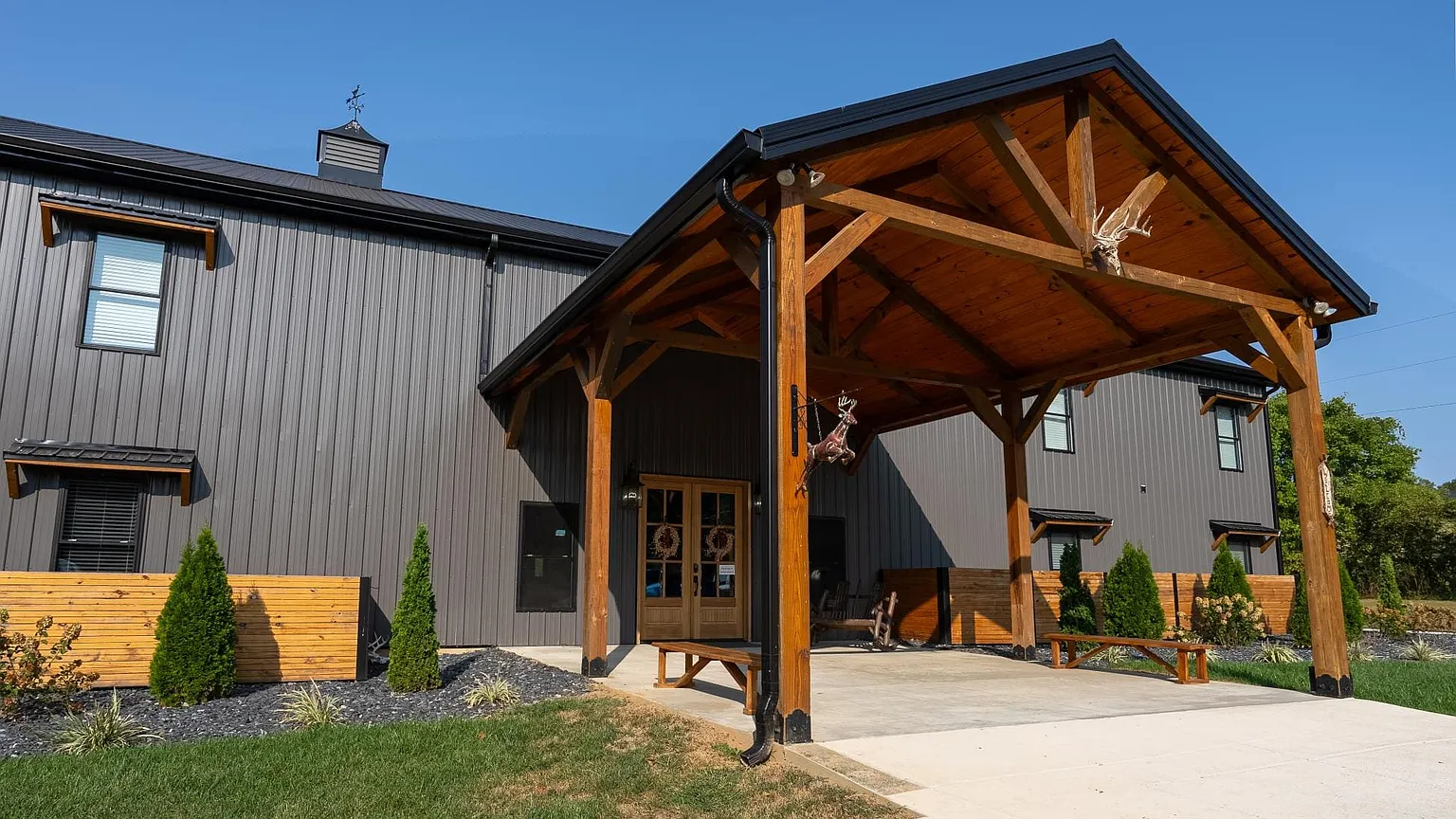
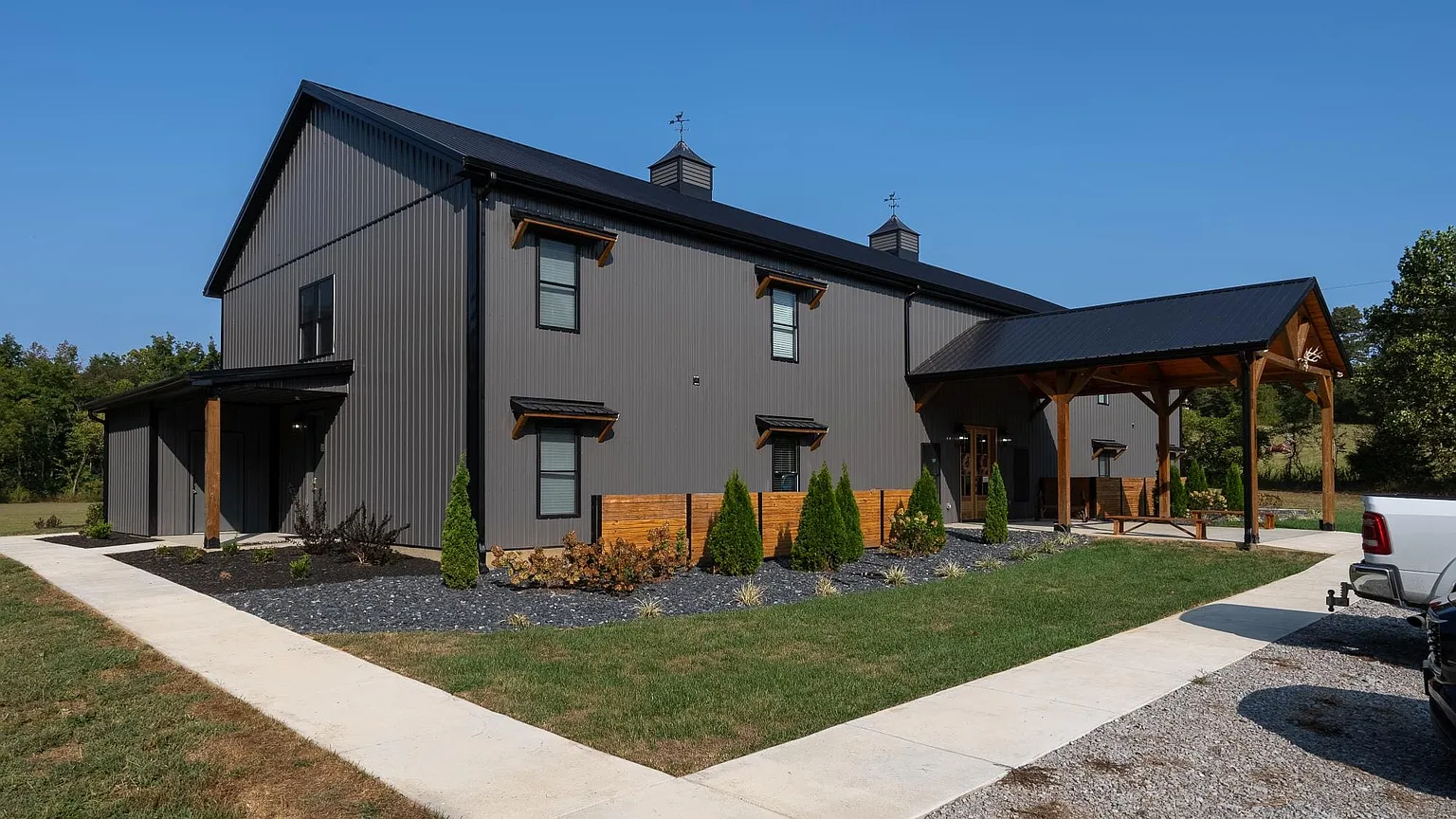
The map below shows directions to our facility. If you would like to see our treatment environment before visiting, our Virtual Tour page provides a preview of our campus and spaces.
If you recognize yourself in this description of AvPD, reaching out for help may feel like exactly the kind of risky, vulnerable action you have spent your life avoiding. The fear of being judged, of being seen as “too much” or “not enough,” may be whispering that you should close this page and continue managing on your own. But that voice is the disorder talking – the same voice that has kept your world small and your connections limited.
Taking the first step does not require you to be confident or certain. It only requires you to act despite the fear. Our team understands AvPD from the inside out, and we will meet you with patience and respect, not judgment.
Contact Kentucky Wellness Center at (270) 355-7231 or visit our Contact Us page to begin a confidential conversation about how avoidant personality disorder treatment can help you build the life you have been longing for.
While AvPD and social anxiety disorder (SAD) share features like fear of negative evaluation and avoidance of social situations, they differ in scope and self-perception. Social anxiety typically involves fear of specific situations (public speaking, parties, meeting new people), while AvPD reflects a pervasive sense of personal inadequacy that affects all relationships and life decisions. Many people with AvPD also meet criteria for social anxiety, and effective treatment addresses both concerns.
Yes, we work with most major insurance providers to make avoidant personality disorder treatment accessible. Our admissions team will verify your benefits and explain coverage options before you begin. Visit our Insurance Verification page or call (270) 355-7231 to confirm what your plan covers.
This concern is extremely common among individuals with AvPD – and understandable given the nature of the condition. Treatment typically begins with individual work to build foundational skills and address the most intense fears before gradually introducing group experiences. You will not be thrown into the deep end – instead, we help you build toward group participation at a pace that challenges you without overwhelming you. Many clients who initially could not imagine speaking in a group setting discover that it becomes one of the most valuable parts of their treatment.
Absolutely. Depression commonly develops alongside AvPD, often as a result of chronic isolation and unfulfilled longing for connection. Our approach addresses both conditions simultaneously, recognizing that treating one without the other limits recovery. As avoidance decreases and meaningful connections develop, depressive symptoms typically improve as well. Review our Frequently Asked Questions page for more information about co-occurring conditions.