
 Skip to content
 The process of overcoming social isolation is not always easy – many people struggle to restore broken relationships and are reluctant to put themselves out there to meet new friends and acquaintances. Social isolation is a problem that must be taken seriously, and this is what we do at our facility – licensed therapists will work with you to promote self-awareness and improve your ability to maintain long-term interpersonal relationships. We provide our patients with a comprehensive social isolation overview and offer social isolation therapy in Kentucky to people in need of our guidance and support.
Reach out to Kentucky Wellness Center now – call (270) 355-7231 or visit our Contact Us page to embark on a mental health journey that will transform your life.

Hana Giambrone

Lori Humphrie
Dr. Jason Miller
Even if you feel like isolation is your personal choice, it does not mean there are no underlying issues – self-inflicted loneliness that makes you feel like you should not stay in touch with anyone will take a toll on your emotional state. Social isolation effects may persist for months and years and lead to illnesses, cognitive decline, weakened immunity, and a decline in overall quality of life so you should not disregard prolonged loneliness and isolation once you notice its impact on your mental well-being.
In many instances, social isolation is not the only problem the individual is forced to deal with – there may be co-occurring mental health conditions such as depression, anxiety disorder, and sleep disorder. Integrated care is supposed to address all the issues simultaneously so that the patient does not suffer from health complications in the future.





Social isolation is self-reinforcing in a way that makes it uniquely difficult to escape. The longer you spend without meaningful social contact, the harder reconnection becomes – not because opportunities disappear, but because the skills and confidence required to engage with other people atrophy with disuse. Conversations that used to flow naturally now feel awkward and forced. Reading social cues becomes less intuitive. The energy required to initiate contact – picking up the phone, accepting an invitation, walking into a room of people – increases with each day of withdrawal, until the effort feels so disproportionate that staying alone seems like the only rational choice.
The physical consequences of prolonged isolation are clinically significant and often underestimated. Research consistently links chronic loneliness to elevated blood pressure, increased inflammation, weakened immune function, and accelerated cognitive decline. Your body interprets social disconnection as a threat, activating the same stress response systems that chronic anxiety and trauma engage – which means the physiological toll of isolation mirrors the toll of conditions people take far more seriously.
What makes social isolation particularly insidious is the narrative it builds. When you spend most of your time alone, your only source of feedback is your own internal monologue – and for someone who is already struggling, that monologue is rarely kind. You convince yourself that no one notices your absence, that reaching out would be a burden, that the relationships you once had are too damaged to repair. These beliefs feel like observations, but they are symptoms, and they maintain the very isolation that produced them.
Treatment at Kentucky Wellness Center interrupts this cycle by placing you in an environment where connection is structured, supported, and unavoidable – so you can rebuild your social capacity in real time.
Social isolation is a common adverse effect of mental and physical health challenges, major life transitions, and environmental factors. You need to be mindful of your mental state if you deal with a chronic illness, learn about a serious mental health disorder, go through a major life event such as divorce or retirement without a solid support network, or experience discrimination and abuse.
Despite the fact that most of the circumstances listed above are almost impossible to prevent, there are things you can do to lower the impact of social isolation on your life as well as avoid a mental health diagnosis in the future – connect with other people through regular communication, engage in activities that give you an opportunity to learn something new or enjoy a hobby, and gain a sense of focus and purpose with volunteering and community work.
Social isolation is both a condition and a symptom – it frequently appears as a feature of other mental health disorders, and when it persists, it accelerates the development of additional conditions.
Trauma disorders, including PTSD and complex PTSD (C-PTSD), produce withdrawal as a core symptom, and the resulting isolation compounds the hypervigilance, emotional numbness, and avoidance that trauma already creates.
Mood disorders, including bipolar disorder and persistent depressive disorder, drive withdrawal during depressive episodes, and the loss of social connection during these periods makes recovery from the mood episode itself more difficult.
At Kentucky Wellness Center, our team evaluates the relationship between your isolation and any underlying conditions driving it. Treating the isolation without addressing the trauma, psychotic symptoms, or mood instability behind it rarely leads to sustained improvement.
Cognitive behavioral therapy (CBT) is utilized to help patients who need to overcome social isolation – this is a versatile and flexible method of treatment that enables the individual to identify and challenge their negative thoughts and perceptions in order to replace them with positive notions. Various mindfulness-based Therapy Modalities such as animal-assisted therapy (AAT), can also reduce the person’s loneliness and provide them with emotional support they have been lacking. Medication management can enhance the effectiveness of these social isolation treatment options in Kentucky especially when your symptoms are linked to social anxiety disorder (SAD) or depression – a psychiatrist usually prescribes antidepressants or benzodiazepines after examining the emotional and physical state of the patient.
When social isolation indicates the presence of a chronic mental health disorder, it is a good idea to dedicate some time to recovery in a residential treatment program. You can achieve your therapy objectives in an outpatient setting but it may take more time for you to heal, so you should discuss the Levels of Care with your therapist after you undergo a mental health evaluation, as well as transfer from one program to another whenever it is necessary.
The treatment environment itself is one of the most powerful interventions for social isolation. A residential program places you in a community of peers and clinicians where daily interaction is woven into the structure of your schedule – not as something you must generate on your own, but as something that happens naturally and consistently around you.
Shared meals, communal spaces, therapy groups, and recreational activities create low-pressure opportunities for connection that gradually rebuild your comfort with social engagement. Unlike the outside world, where initiating contact requires effort that feels overwhelming, the residential setting brings connection to you – and the staff is trained to recognize when you are withdrawing and to gently re-engage you without pressure.
Individual therapy focuses on the cognitive patterns that maintain your isolation – the beliefs that you are a burden, that no one cares, or that reaching out will result in rejection. Your therapist helps you test these beliefs against real evidence and develop alternative narratives that support reconnection. Group therapy plays a central therapeutic role, providing a structured setting where you can practice communication, receive feedback from peers, and discover that your experiences resonate with others.
As you prepare to transition out of residential care, your treatment team works with you on a reintegration plan – identifying community resources, scheduling follow-up sessions through our aftercare and continuing support program, and establishing social commitments that create accountability for maintaining the connections you have rebuilt.
It can be difficult to predict social isolation treatment duration – patients react differently to psychotherapy and medication, even if these methods of treatment have already helped others to manage their symptoms and fully recover from their disorder. Nevertheless, most people can expect an improvement in their condition after four to eight weeks of therapy – the process can be sped up if you sign up for a residential treatment program, especially if social isolation has lasted for a long time and left a mark on your psyche.
Our therapists have the knowledge and skills to address the most acute symptoms of our patients - they know how to utilize traditional methods of treatment such as dialectical behavior therapy (DBT) and unconventional therapeutic approaches such as music therapy.
It is essential to make sure every person who is struggling mentally is protected from external distractions and triggers. Our clinic creates a healing and supportive atmosphere for all our clients to calm down and focus on their recovery no matter how challenging their issues may be.

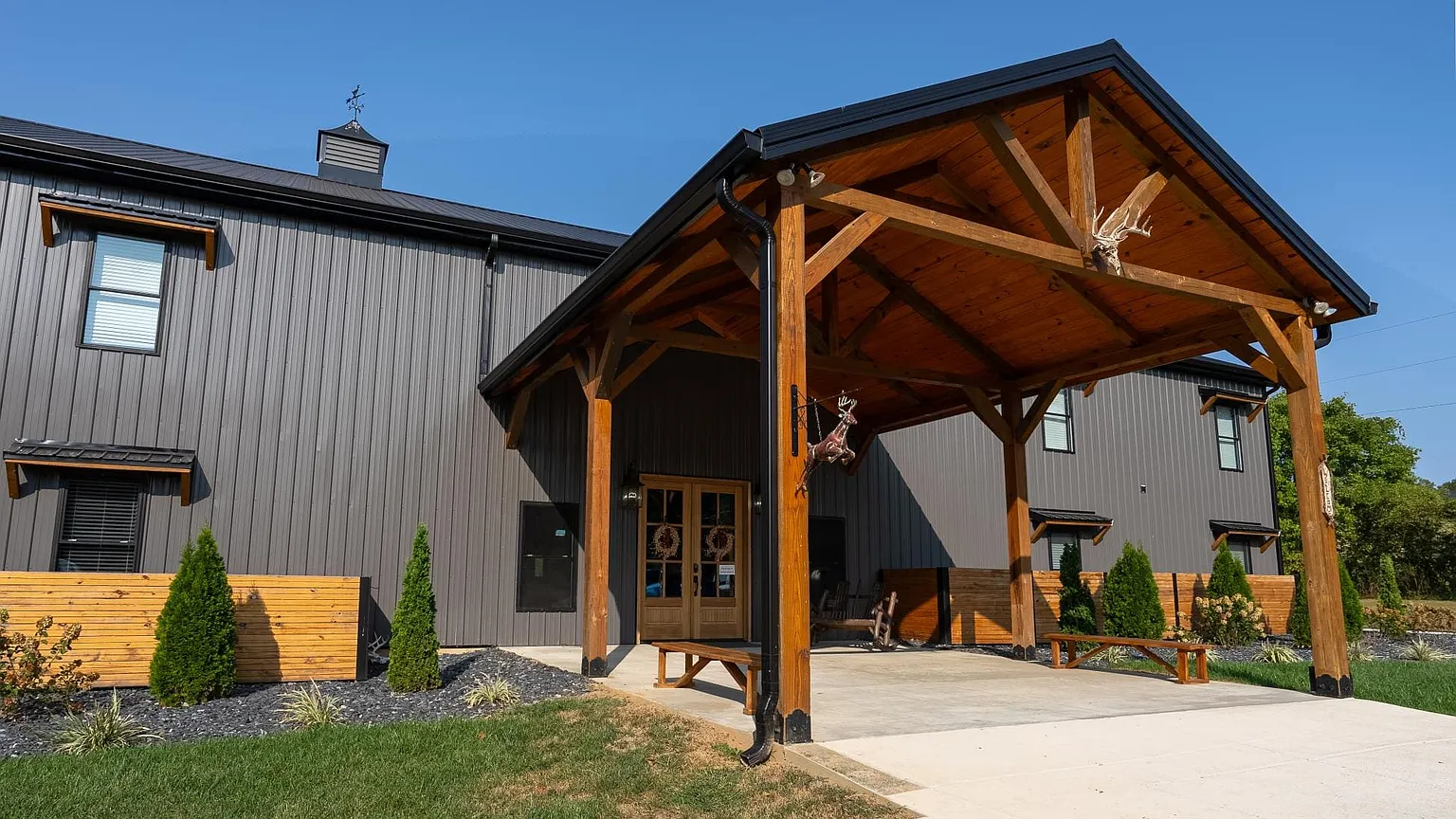
The location of a mental health clinic is a crucial factor especially if you are interested in residential social isolation treatment in Kentucky – you and your loved ones should be able to travel to the facility without any issues. Take a look at the map below to get directions to Kentucky Wellness Center – you may also visit our Virtual Tour page to see how our clinic looks before arranging your first appointment.
No matter how long you have been feeling lonely and isolated, you should not resign yourself to a life of virtually no contact with other people for the sake of your mental and physical health. Our facility can offer you immersive care and treatment for social isolation near Kentucky, if you need to rebuild your life, learn how to build lasting relationships with others, and improve existing bonds with individuals you care about.
Call (270) 355-7231 or refer to our Contact Us page to get in touch with Kentucky Wellness Center – together we will figure out how to pursue and accomplish your mental health goals.
Yes, we accept most insurance plans – we are happy to accommodate our clients and work with their insurance providers. Find out more by visiting our Verify Insurance page.
Patients who opt for residential treatment get to benefit from diverse therapeutic approaches, attend counseling sessions on a daily basis, and replenish their energy in art therapy and yoga therapy – there are numerous opportunities for an individual to recover their strength and heal at a faster pace.
As long as you are comfortable with it, we will invite your relatives to join you in family therapy sessions – you can repair the bonds that have been weakened by your condition, recognize the conflicts that have contributed to the distance between you and your family members, and set new, healthy boundaries.
To confirm the patient needs treatment for social isolation, a mental health specialist has to assess their psychological and physical state in a clinical setting, ask them questions about their symptoms and medical history, and observe their behavior and body language that can provide them with additional details about the individual’s emotional well-being.
No. Introversion is a personality trait – introverts recharge through solitude but still maintain meaningful relationships and engage socially when they choose to. Social isolation involves a lack of connection that the individual may not want, and that negatively impacts their mental and physical health. If your time alone feels involuntary or distressing, it may be more than introversion.
Research indicates that prolonged social isolation is associated with increased risk of cognitive decline and dementia, particularly in older adults. The brain relies on social stimulation to maintain cognitive flexibility, and extended periods without meaningful interaction can accelerate deterioration. Addressing isolation early is important for both mental health and long-term cognitive function.
Yes. Regardless of how long the isolation has lasted, the social skills and relational capacity you once had can be rebuilt with consistent therapeutic support. Treatment may take longer for individuals with deeply entrenched withdrawal patterns, but the residential environment at our facility is specifically designed to re-engage even the most withdrawn individuals through structured, supported daily interaction.