Skip to content






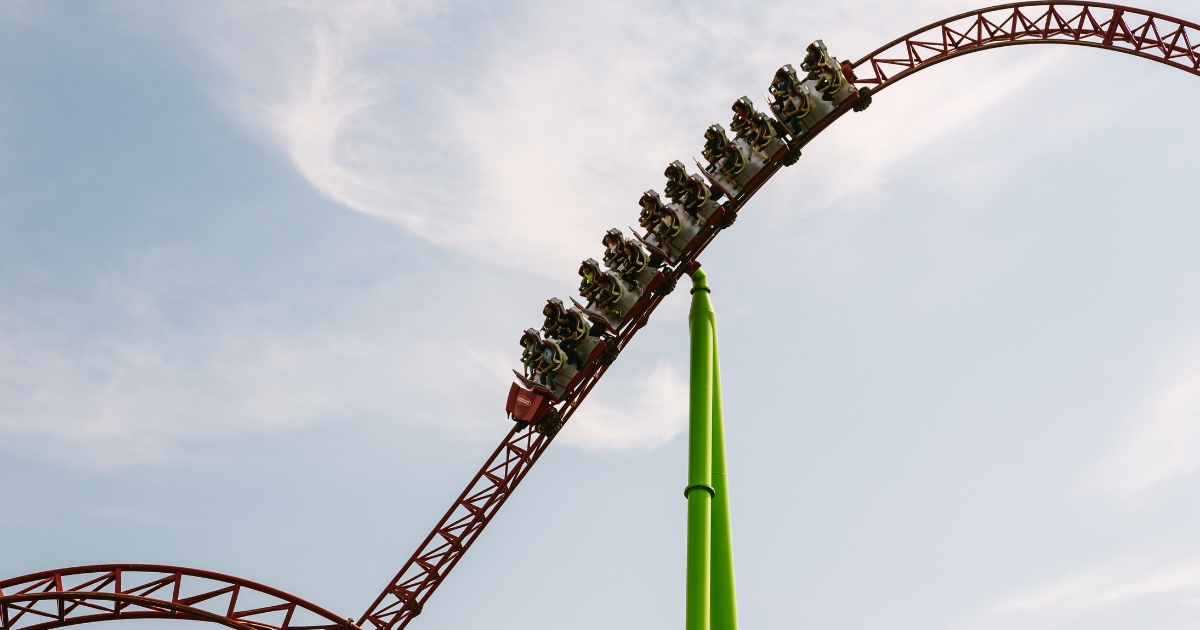
Standing at the base of a towering roller coaster, heart pounding and palms sweating, you watch others scream with delight while you feel only dread. If this scenario sounds familiar, you’re not alone. Many adults and teens experience intense fear around roller coasters, and for some, that fear goes beyond normal nervousness. When anxiety about theme park rides keeps you from enjoying outings with friends or family, or when the thought of a roller coaster triggers panic symptoms days in advance, the issue may be rooted in broader anxiety patterns rather than simple caution.
Understanding how not to be scared of roller coasters begins with recognizing what drives your fear and whether it reflects situational discomfort or a deeper anxiety response. This guide offers practical strategies for managing ride-related fear while also exploring when professional support can help address the underlying anxiety that makes these experiences feel overwhelming.
Why You’re Afraid of Roller Coasters: Psychological Roots
Why am I afraid of roller coasters? The question has multiple answers, depending on your personal history and mental health baseline. Learning how to not be scared of roller coasters starts with identifying which of these psychological roots applies to your experience. For many people, roller coaster fear stems from a fundamental loss of control. Once the safety bar locks, you’re committed to a high-speed journey with no exit option, and that lack of agency can trigger intense discomfort in individuals who manage anxiety through control and predictability.
Understanding what causes roller coaster phobia requires looking at both individual psychology and broader anxiety patterns—some people develop the fear after a single traumatic ride, while others carry a lifelong sensitivity to situations involving speed, height, or loss of control.
When height is the primary trigger, addressing acrophobia directly is essential. Even if you don’t consider yourself afraid of heights in other contexts, the combination of elevation, speed, and open-air exposure on a coaster can activate a primal survival response. Your brain interprets the situation as genuinely dangerous, flooding your system with adrenaline and cortisol regardless of the ride’s actual safety record. Overcoming fear of heights on rides often requires separating the visual experience of elevation from the actual risk.
How Anxiety Disorders Amplify Normal Fear Responses
Past negative experiences also condition future fear. If you felt nauseated, panicked, or physically uncomfortable on a previous ride, your brain files that memory as a threat to avoid. For individuals with generalized anxiety disorder or panic disorder, these fear responses amplify beyond what others experience.
| Fear Trigger | Psychological Root | Common Symptoms |
|---|---|---|
| Loss of control | Need for predictability and autonomy | Racing thoughts, feeling trapped, hyperventilation |
| Height exposure | Acrophobia or survival instinct activation | Dizziness, visual distortion, intense fear of falling |
| Past negative experience | Fear conditioning and traumatic memory | Flashbacks, anticipatory anxiety, avoidance behavior |
| Physical sensations | Motion sensitivity or panic disorder | Nausea, chest tightness, fear of losing consciousness |
Practical Techniques to Overcome Roller Coaster Anxiety
Gradual exposure to scary rides forms the foundation of evidence-based fear reduction. When you’re figuring out how to not be scared of roller coasters, forcing yourself onto the most intense ride is counterproductive. Start with smaller attractions that introduce elements of the experience in manageable doses. A gentle spinning ride or a small drop ride allows you to practice tolerating the sensations without overwhelming your nervous system. As you build confidence, incrementally increase the intensity, giving your brain repeated evidence that these experiences are survivable and even enjoyable.
Breathing techniques for ride anxiety provide a portable tool you can use in line and during the ride itself. Box breathing—inhaling for four counts, holding for four, exhaling for four, and holding again for four—activates your parasympathetic nervous system and counteracts the fight-or-flight response.
These tips for first-time roller coaster riders focus on preparation and in-the-moment regulation, giving you concrete actions to take when anxiety spikes.
- Choose a seat strategically—middle rows offer a smoother experience than front or back, which feel more intense.
- Ride with a supportive companion who understands your anxiety and won’t pressure or mock you.
- Keep your eyes open during the ride to help your brain integrate visual and vestibular information, reducing disorientation.
- Verbalize your fear before boarding—telling a friend “I’m really nervous, but I’m doing this anyway” reduces the power of suppressed anxiety.
- Celebrate small wins immediately after—acknowledge that you faced the fear, regardless of whether you enjoyed the ride.
These strategies form a practical toolkit for how to not be scared of roller coasters, but they work best when paired with cognitive work.
Reframing Catastrophic Thoughts
Cognitive reframing challenges the catastrophic thoughts that fuel anxiety. When your mind insists “Something terrible will happen,” counter with evidence: countless people ride coasters safely every year, the ride has passed rigorous inspections, and your fear is a feeling, not a fact. Over time, this practice weakens the automatic fear response and creates mental space for curiosity or even excitement.
When Roller Coaster Fear Signals a Deeper Anxiety Issue
Is it normal to be scared of amusement park rides? Absolutely—but there’s a difference between healthy caution and anxiety that limits your life. If you’ve declined family trips, avoided social gatherings at theme parks, or felt intense shame about your fear, the issue may extend beyond situational nervousness. Specific phobias often coexist with generalized anxiety disorder, panic disorder, or social anxiety.
Panic Disorder in Theme Park Settings
Panic disorder manifests in theme park settings as sudden, intense fear that peaks within minutes. For individuals with panic disorder, not being scared of roller coasters isn’t just about ride strategies—it’s about treating the underlying condition. You might experience chest pain, shortness of breath, or a sense of impending doom while waiting in line or even thinking about a future visit. When avoidance spreads—you start skipping not just roller coasters but any situation where escape feels difficult—it’s a sign that professional support would help.
Cognitive-behavioral therapy and exposure therapy directly target the fear conditioning that keeps phobias active. A therapist guides you through gradual exposure exercises, starting with imagining a roller coaster, then watching videos, then visiting a park without riding, and eventually boarding a ride. This process, called systematic desensitization, retrains your brain’s threat response. CBT also addresses the cognitive distortions that fuel anxiety—catastrophizing, all-or-nothing thinking, and overestimating danger—replacing them with balanced, evidence-based perspectives.
| Sign of Deeper Anxiety | What It Looks Like |
|---|---|
| Avoidance spreads beyond coasters | Declining invitations to parks, concerts, or any crowded venue where you feel trapped |
| Anticipatory anxiety disrupts daily life | Losing sleep or experiencing intrusive thoughts days before a planned theme park visit |
| Physical symptoms without exposure | Panic attacks triggered by seeing a coaster on TV or hearing friends discuss rides |
| Social or relationship strain | Feeling ashamed, isolated, or pressured by others who don’t understand your fear |

Ride Toward Relief at Kentucky Wellness Center
Figuring out how to not be scared of roller coasters doesn’t mean you have to love them, but you shouldn’t have to let fear dictate your social life or family experiences. If anxiety about theme park rides reflects broader patterns of worry, avoidance, or panic, professional support can help you reclaim confidence. At Kentucky Wellness Center, our clinicians specialize in evidence-based anxiety treatment, including cognitive-behavioral therapy and exposure techniques tailored to your specific concerns. Whether your fear centers on roller coasters, heights, or situations where you feel a loss of control, we’ll work with you to develop practical coping strategies and address the underlying anxiety driving those responses. Reach out today to learn how therapy can help you face fear with compassion.
FAQs
1. Is it normal to be scared of roller coasters as an adult?
Yes, many adults experience fear or discomfort around roller coasters. Some people develop this fear later in life due to increased awareness of risk, past negative experiences, or underlying anxiety that wasn’t present in childhood. If the fear is mild and doesn’t interfere with your life, it’s simply a personal preference—but if it causes significant distress or avoidance, exploring the roots of that anxiety with a therapist can be helpful.
2. What’s the best roller coaster for someone who’s scared?
Start with a coaster that has a shorter duration, moderate speed, and minimal inversions—often called a “family coaster.” This approach to how to not be scared of roller coasters prioritizes gradual confidence-building over intensity. Rides with a single small drop and smooth turns allow you to experience the sensations without overwhelming intensity. Wooden coasters tend to feel rougher, so a modern steel coaster with a lap bar (rather than an over-the-shoulder harness) often feels less confining and more comfortable for anxious riders.
3. Can you suddenly develop a fear of roller coasters?
Yes, fear can emerge suddenly even if you previously enjoyed coasters. This shift often follows a panic attack, a traumatic event, or the onset of an anxiety disorder. A single negative ride experience can also trigger new fear responses. If this change feels abrupt and distressing, it’s worth discussing with a mental health professional.
4. How do I calm myself down before getting on a ride?
Practice box breathing—inhale for four counts, hold for four, exhale for four, and hold again for four—while waiting in line. Focus on grounding techniques like naming five things you can see, four you can touch, three you can hear, two you can smell, and one you can taste. Remind yourself that the fear is temporary and that countless people ride safely every day, helping your brain distinguish between perceived and actual danger. This mental reframing is central to how to not be scared of roller coasters over time.
5. When should I see a therapist about my fear of amusement park rides?
Seek professional support if your fear leads to significant avoidance, causes panic attacks, or interferes with social or family activities. If you find yourself declining invitations, feeling intense shame about the fear, or experiencing anxiety symptoms days before a planned park visit, therapy can help. Cognitive-behavioral therapy and exposure therapy are highly effective for specific phobias.