
 Skip to content
 Navigating a world that often feels overwhelming, confusing, or ill-suited to how your brain works can be exhausting. Whether you received your autism diagnosis in childhood or only recently discovered that you are on the spectrum, you may be struggling with challenges that affect your relationships, work, daily functioning, or mental health.
When co-occurring conditions like anxiety, depression, or OCD compound the difficulties of living with autism, professional support can help you develop strategies for thriving rather than merely surviving. Kentucky Wellness Center offers comprehensive autism spectrum disorder treatment near Kentucky, providing individualized care that respects neurodiversity while addressing the mental health challenges that often accompany ASD.
Contact Kentucky Wellness Center today – call (270) 355-7231 or refer to our Contact Us page to learn about our autism spectrum disorder treatment options and how we can support your unique needs.

Hana Giambrone

Lori Humphrie

Dr. Jason Miller
Autism is not a mental illness but rather a different way of experiencing and processing the world. However, the challenges of navigating a neurotypical society – combined with neurobiological differences that affect emotional regulation – mean that autistic adults frequently develop co-occurring mental health conditions that do require treatment. These commonly include depression, OCD, ADHD, and trauma disorders.
It is important to distinguish between autism itself, which is a lifelong neurological difference, and the treatable mental health conditions that often accompany it. Treatment for autism spectrum disorder at Kentucky Wellness Center does not aim to “cure” autism or make someone neurotypical. Instead, our focus is on addressing co-occurring mental health challenges, developing coping strategies for navigating a sometimes inhospitable world, building on existing strengths, and improving overall quality of life.
Many autistic adults reach our facility after years of feeling misunderstood, misdiagnosed, or failed by mental health systems that did not account for their neurodivergence. We are committed to providing care that is informed by the autistic experience and respectful of neurological differences.





The daily experience of being autistic in a neurotypical world involves a level of effort that most people around you never see. Every social interaction requires conscious processing that others perform automatically – reading facial expressions, interpreting tone, knowing when it is your turn to speak, gauging how much to share, deciding whether a question is literal or rhetorical. This cognitive overhead runs in the background all day, and by evening, the exhaustion it produces can be indistinguishable from the fatigue of physical labor.
Masking – the practice of suppressing autistic traits to appear neurotypical – compounds this exhaustion exponentially. You learn to force eye contact, script small talk, mirror the body language of the people around you, and hide the sensory distress that fluorescent lights or background noise produce. These performances may be convincing enough that colleagues and friends have no idea you are struggling, but the internal cost is enormous. Years of sustained masking are associated with burnout, depression, and a painful disconnection from your authentic self.
Sensory processing differences add a dimension that neurotypical people rarely understand. A restaurant that feels pleasantly lively to your friends may feel physically painful to you. The texture of certain clothing, the hum of an air conditioner, or the smell of a cleaning product can dominate your attention until you cannot focus on anything else. These experiences are not preferences – they are neurological realities that affect your ability to participate in everyday environments.
At Kentucky Wellness Center, we do not treat autism as the problem. We treat the co-occurring mental health challenges – the anxiety, depression, burnout, and trauma – that arise from navigating a world that was not designed for how your brain works.
While autism itself is not caused by external factors but rather reflects neurological differences present from birth, understanding why autistic individuals frequently develop mental health challenges guides effective treatment.
Living in a world designed for neurotypical brains creates chronic stress for many autistic people. Constant effort to mask autistic traits, navigate confusing social expectations, and cope with sensory environments that feel overwhelming takes an enormous toll. This ongoing strain – sometimes called “autistic burnout” – frequently manifests as depression, anxiety, or complete exhaustion.
Many autistic adults carry trauma from years of being misunderstood, bullied, or forced to suppress their natural ways of being. Experiences of rejection, failed relationships, workplace difficulties, and even well-meaning but harmful interventions can accumulate into significant psychological wounds. PTSD and complex trauma are common among autistic adults.
Neurobiological factors also contribute. The same brain differences that create autism also affect emotional regulation, stress response, and vulnerability to certain mental health conditions. Autistic individuals experience higher rates of anxiety disorders, OCD, ADHD, and eating disorders than the general population, reflecting both environmental stressors and underlying neurobiological factors.
Late diagnosis presents additional challenges. Adults who spent decades not understanding why they felt different often developed maladaptive coping strategies, internalized negative beliefs about themselves, or received inappropriate treatment for conditions that were actually unrecognized autism. These accumulated experiences frequently require therapeutic attention.
Autistic adults experience co-occurring mental health conditions at dramatically higher rates than the general population – and accurate identification of these conditions is complicated by the fact that autism can mask their presentation or cause them to be misdiagnosed.
Anxiety disorders – particularly generalized anxiety disorder (GAD) and social anxiety disorder (SAD) – are extremely common among autistic adults. The chronic unpredictability of social situations and sensory environments creates a baseline of anxiety that often meets clinical thresholds. Depression frequently develops as the cumulative weight of masking, social rejection, and autistic burnout erodes emotional resilience over time.
At Kentucky Wellness Center, our clinical team is trained to identify co-occurring conditions through the lens of neurodivergence – ensuring that your assessment accounts for how autism shapes the presentation of anxiety, depression, trauma, and other conditions rather than defaulting to neurotypical diagnostic assumptions.
Therapeutic treatment for autism at Kentucky Wellness Center addresses co-occurring mental health conditions while supporting autistic individuals in developing strategies for navigating life more effectively. Our approach is autism-affirming, meaning we work with your neurology rather than against it.
Cognitive behavioral therapy (CBT) adapted for autistic individuals addresses anxiety, depression, OCD, and other co-occurring conditions. Modifications account for differences in cognitive style, communication preferences, and the specific stressors autistic people face. The goal is developing practical strategies for managing symptoms while honoring how your brain naturally works.
Acceptance and commitment therapy (ACT) helps individuals develop psychological flexibility – the ability to be present, open to experience, and engaged in valued action even when facing difficult thoughts and feelings. This approach is particularly well-suited to autistic individuals, as it does not require changing who you are but rather changing your relationship with internal experiences.
Regarding Levels of Care, residential autism spectrum disorder treatment provides a structured, predictable environment where individuals can focus on mental health recovery with appropriate sensory accommodations and understanding staff. The consistency of residential care can be particularly beneficial for autistic individuals who struggle with the unpredictability of daily life. We work to make our environment as autism-friendly as possible while providing intensive support for co-occurring conditions.
Treatment at our facility is adapted to the specific needs of autistic adults – not delivered through a neurotypical lens and expected to work the same way. This distinction shapes everything from the structure of therapy sessions to the physical environment in which treatment takes place.
Sensory considerations are integrated into your care plan from day one. We work with you to identify the environmental factors that increase your distress and adjust accordingly – whether that means scheduling sessions in quieter spaces, modifying lighting, or building sensory breaks into your daily routine. These are not accommodations added as an afterthought; they are recognized as clinical necessities that directly affect your ability to engage in therapy.
Therapeutic approaches are adapted as well. While CBT and ACT remain effective frameworks, the way they are delivered for autistic adults may differ from standard practice – communication style, pacing, use of visual supports, and tolerance for stimming during sessions are all calibrated to your needs. Group therapy is available for those who benefit from peer connection, and our program includes opportunities to connect with other neurodivergent individuals who share similar experiences.
Our aftercare and continuing support program includes guidance on maintaining the strategies you develop in treatment as you return to environments that may not offer the same accommodations – ensuring that the skills you build here translate into real-world functioning.
The duration of treatment for autism spectrum disorder and co-occurring mental health conditions depends on the nature and severity of those conditions, individual treatment goals, and response to interventions.
Many individuals experience meaningful improvement in co-occurring anxiety, depression, or other conditions within four to eight weeks of consistent treatment. Learning strategies for managing sensory challenges, social stress, and emotional regulation often produces relatively rapid benefits as well.
However, addressing accumulated trauma, long-standing mental health conditions, or deeply ingrained maladaptive patterns may require several months of therapeutic work. Developing a treatment plan for autism spectrum disorder that accounts for your unique profile, history, and goals is a collaborative process, and your treatment team will regularly assess progress and adjust approaches accordingly.
Our goal is to equip you with understanding, strategies, and support that serve you long after formal treatment ends. This includes connecting you with autism-informed providers and resources in your community for ongoing care.
We view autism as a neurological difference, not a disorder to be cured. Our treatment focuses on addressing genuine mental health challenges and building quality of life while respecting and working with your neurology - not against it. You will not be asked to mask or suppress your autistic traits.
We understand that sensory experiences profoundly impact autistic well-being. Our facility offers accommodations for sensory sensitivities, and our staff are trained to recognize and respond appropriately to sensory needs. Treatment approaches are adapted to account for individual sensory profiles.
Many autistic adults have been failed by mental health systems that did not understand how autism interacts with conditions like anxiety, depression, OCD, or trauma. Our clinicians bring expertise in treating these conditions in the context of autism, ensuring interventions are appropriate and effective.

Finding mental health care that understands autism can be challenging, as many providers lack training in working with neurodivergent individuals. Kentucky Wellness Center in Kentucky offers autism treatment near me for adults throughout Kentucky and neighboring states, providing autism-affirming care for co-occurring mental health conditions.
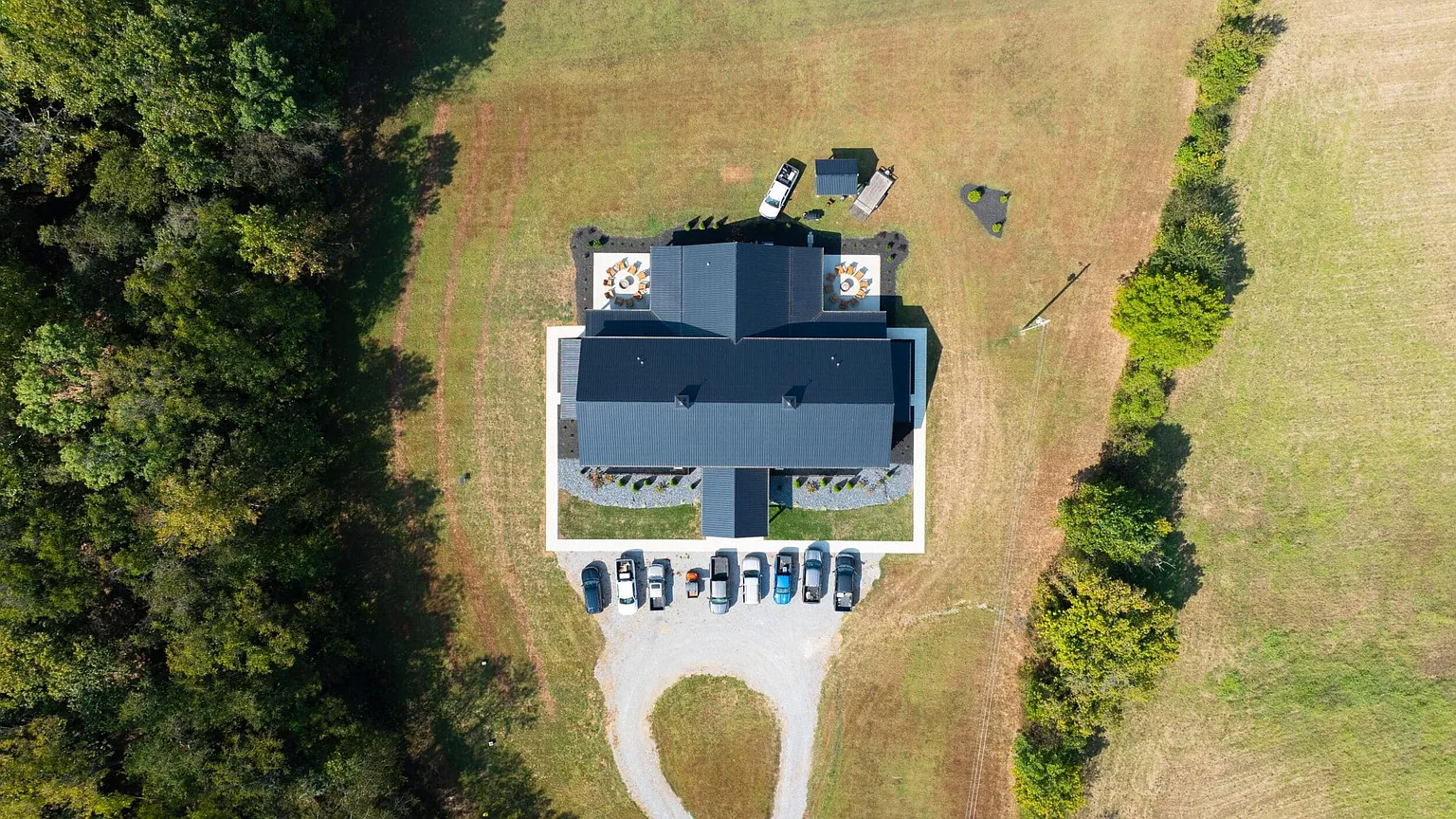
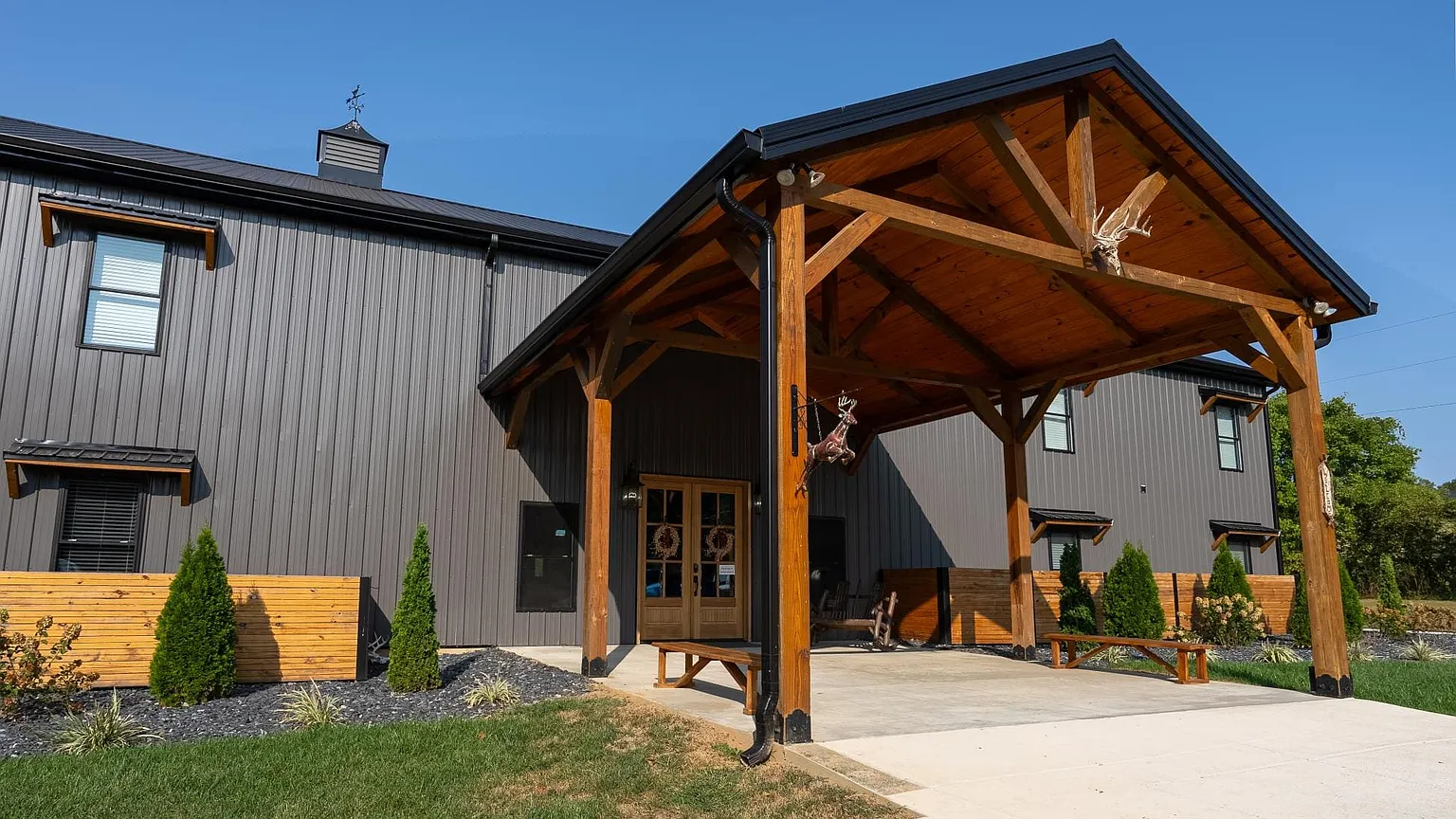
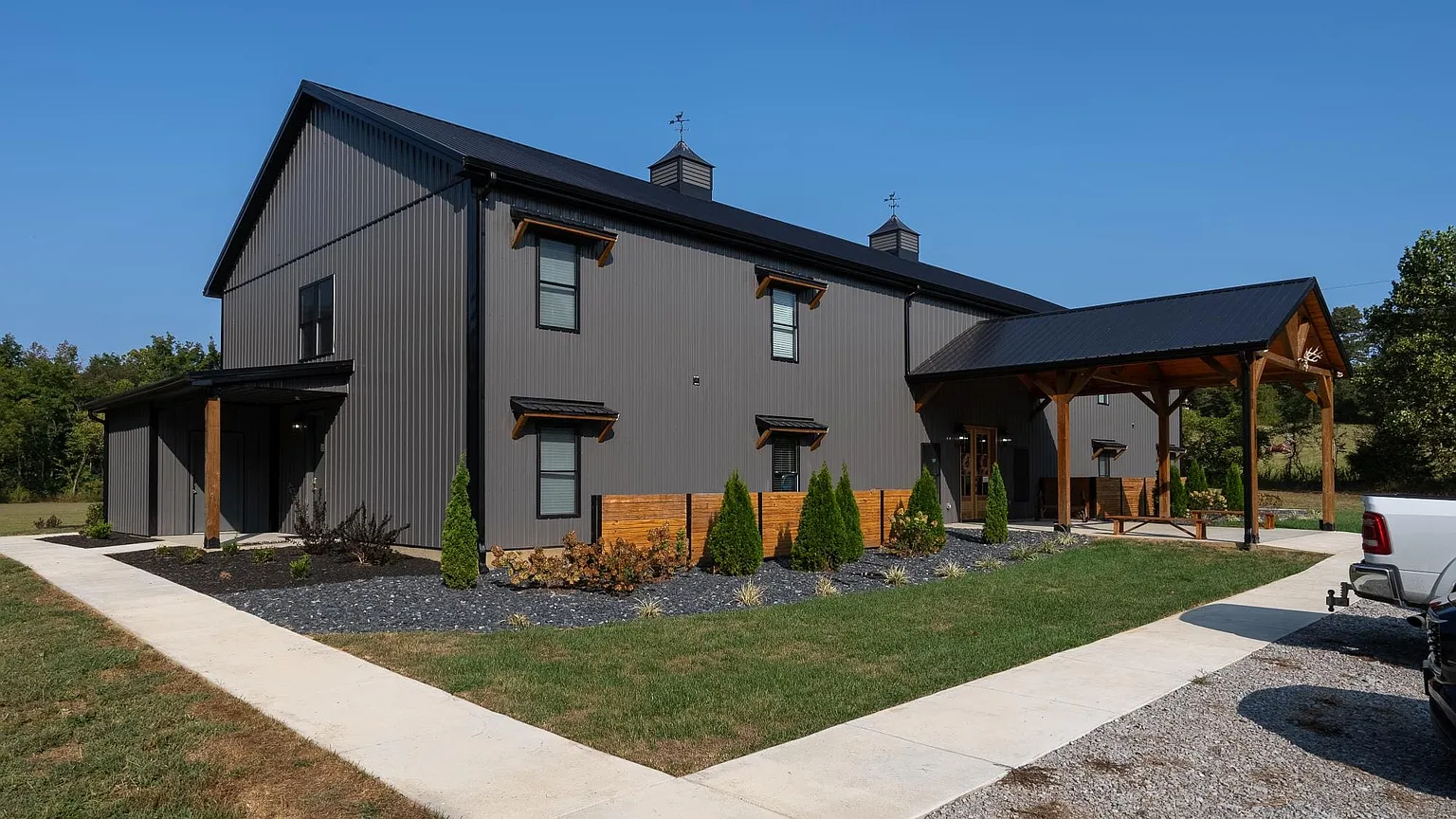
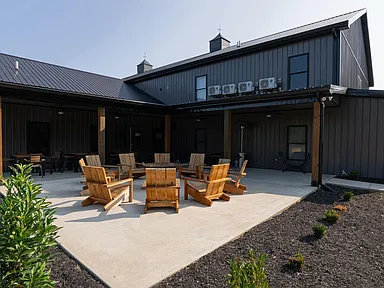
The map below shows directions to our facility. Visit our Virtual Tour page to preview our treatment environment and see the accommodations we offer before making your decision.
Living with autism in a neurotypical world presents daily challenges, and when mental health conditions compound those difficulties, life can feel unmanageable. You deserve care from providers who understand your neurology, respect your differences, and know how to effectively treat the conditions causing you distress.
If you are searching for treatment of autism spectrum disorder and co-occurring mental health challenges in Kentucky, Kentucky Wellness Center provides the informed, compassionate care you need. Our team will work with you to understand your unique profile and develop a treatment plan that honors who you are while addressing the issues impacting your quality of life.
Contact Kentucky Wellness Center at (270) 355-7231 or visit our Contact Us page to schedule a confidential assessment and learn about our autism spectrum disorder treatment options.
Autism spectrum disorder is a neurodevelopmental condition involving differences in social communication, sensory processing, and behavioral patterns. While autism itself is not a mental illness, autistic individuals frequently develop co-occurring conditions like anxiety, depression, OCD, and trauma disorders that benefit from treatment. Our care addresses these mental health challenges while respecting and accommodating autistic neurology.
Yes, we accept most major insurance plans for treatment of co-occurring mental health conditions in autistic adults. Our admissions team can verify your benefits and explain coverage before treatment begins. Visit our Insurance Verification page or call (270) 355-7231 to confirm what your plan covers.
Kentucky Wellness Center offers multiple autism spectrum disorder treatment options adapted for neurodivergent individuals, including modified CBT, ACT, and individual therapy tailored to your communication style and needs. Holistic approaches like art therapy, yoga therapy, and meditation therapy provide additional tools for emotional regulation and expression.
Yes, our integrated approach addresses autism-related challenges and co-occurring mental health conditions simultaneously. We understand that conditions like anxiety, depression, OCD, and trauma often present differently in autistic individuals and require modified treatment approaches. Visit our What We Treat page to learn more about the conditions we address.
No. Autism is a neurological difference, not a disease. Our treatment focuses exclusively on the co-occurring mental health conditions – such as depression, anxiety, and trauma disorders – that autistic adults develop at elevated rates. The goal is to improve your quality of life and emotional wellbeing while respecting how your brain works.
Yes. Residential mental health treatment can be particularly valuable for autistic adults experiencing burnout, severe anxiety, or co-occurring conditions that have become unmanageable. The structured environment provides predictability and routine – conditions that support autistic functioning – while offering intensive therapeutic support for the mental health challenges that brought you to treatment.
Late diagnosis is common among autistic adults, particularly those who learned to mask effectively. Receiving a diagnosis later in life can bring both relief and grief – relief at finally understanding your experiences, and grief for the years spent without that understanding. Our therapists are experienced in supporting adults through the emotional process that often accompanies a late diagnosis.