
 Skip to content
 Adjustment disorder may seem like a minor issue, but it can easily transform into a serious mental health disorder that will haunt you for a long time. If you are interested in adjustment disorder treatment in Kentucky, our recovery center can offer you versatile and effective tools for mental health recovery. Our multidisciplinary team is prepared to explore your personal issues in depth and identify the best path for you in accordance with your needs, preferences, and values.
Contact Kentucky Wellness Center today – call (270) 355-7231 or visit our Contact Us page, and together we can tackle the obstacles that wear down your mental health.

Hana Giambrone

Lori Humphrie

Dr. Jason Miller
Adjustment disorder is a severe behavioral or emotional reaction to a complicated life event that is disproportionate in its intensity. If you are forced to deal with a stressful situation that may be out of your control or negatively impacts various domains of your life, such as a sudden job loss or the death of a family member, it is very likely that you will exhibit hopelessness, nervousness, mood fluctuations, anger outbursts, and crying spells. There is also a danger of chronic adjustment disorder – even after the negative experiences have been left in the past, the manifestations of the condition may persist for more than half a year and impair your daily functioning.
In some instances, adjustment disorder develops on top of other mental health conditions such as depression or bipolar disorder. If you learn about several mental health issues you need to address, it is essential to target all the symptoms simultaneously and prevent further health complications – comorbidity will affect your emotional and physical well-being and result in chronic conditions you may need to recover from for years. Once you undergo a mental health evaluation, talk to your therapist about the integrated care required in your case.





What makes adjustment disorder uniquely frustrating is the gap between what you know and what you feel. You know the divorce will eventually stop hurting. You know the job loss is not the end of your career. You know other people go through the same transitions and manage to function. But that knowledge does nothing to close the distance between where you are and where you think you should be – and the longer that gap persists, the more it erodes your confidence in your ability to handle life’s inevitable changes.
The daily impact shows up in your inability to move forward. While the people around you seem to adapt and adjust, you remain anchored to the event that destabilized you. Decisions about what comes next feel paralyzing. Routine tasks that used to be automatic – cooking, paying bills, showing up to work – now require an effort that feels disproportionate to the task. You may go through the motions of normalcy while feeling like you are watching yourself from a distance, unable to fully engage in a life that no longer matches the one you had planned.
Others may minimize your struggle because the triggering event seems manageable from the outside. A move, a breakup, a job change – these are things “everyone goes through.” But adjustment disorder is not about the event being objectively catastrophic. It is about your emotional response exceeding your capacity to cope with it, and that mismatch does not resolve on its own without intervention.
Kentucky Wellness Center helps you close the gap between the transition and your ability to process it – so you can start building what comes next instead of remaining stuck in what you lost.
Adjustment disorder is typically caused by challenging life events that turn the person’s life upside down – they feel overwhelmed and unable to cope with obstacles in their way when they go through a divorce or the death of a loved one, experience serious financial difficulties or health issues, or deal with major life changes they are not emotionally prepared for.
You will be more prone to the development of adjustment disorder with anxiety if you do not have healthy coping skills you typically rely on when you are stressed out, there is a lack of a strong support network that makes you vulnerable, or you have had to overcome traumatic experiences in the past, especially if you have not explored your trauma in a clinical setting. The presence of other mental health conditions will also make it hard for you to manage the symptoms of adjustment disorder.
If adjustment disorder is not treated promptly, the emotional distress it produces can deepen into conditions that are more difficult to resolve. What begins as a disproportionate reaction to a life change can calcify into a chronic mental health challenge.
Depression is the most common progression – the sadness and hopelessness of adjustment disorder can cross the clinical threshold into a mood disorder that persists long after the triggering event has passed. Social isolation often accompanies adjustment disorder because the individual withdraws from their support network at the exact moment they need it most.
Eating disorders may emerge as a maladaptive coping response – using food restriction or overconsumption to manage emotional distress. Trauma disorders can develop when the triggering event carries elements of threat, loss, or helplessness that the person’s nervous system processes as traumatic.
At Kentucky Wellness Center, our clinical team assesses whether your adjustment disorder exists alongside other conditions and integrates all findings into a single treatment plan. Early, comprehensive intervention prevents adjustment disorder from becoming the gateway to more persistent mental health challenges.
Adjustment disorder treatment options in Kentucky vary from patient to patient – you need to talk to a therapist and determine what course of action is the best solution in your particular case. The most commonly utilized Therapy Modalities are psychodynamic therapy and cognitive behavioral therapy (CBT). The former will help the patient realize the impact of the stressful event and ground themselves in the present moment while the latter is supposed to reframe negative thinking patterns and teach the individual how to focus on positive ideas and notions. You may also work with a psychiatrist if it is necessary to tackle the symptoms of adjustment disorder with depressed mood – most people are prescribed antidepressants or sleeping aids to enhance the effectiveness of psychotherapy.
As for the Levels of Care available to patients with adjustment disorder diagnosis, outpatient treatment can be a great solution – maintain a balance between your day-to-day responsibilities and counseling sessions. Nevertheless, if the symptoms severely impact your daily functioning, consider signing up for a residential treatment program – you can accomplish your therapy objectives at a faster rate.
Adjustment disorder treatment at our facility is designed to be goal-oriented and resolution-focused. Unlike conditions that require open-ended, long-term management, adjustment disorder responds well to structured, time-limited intervention – and our approach reflects that.
Your therapist will begin by identifying the specific life event or transition driving your symptoms and mapping the coping skills that are either absent or insufficient. From there, the work centers on building what is missing – whether that is the ability to tolerate uncertainty about the future, the emotional processing skills needed to grieve a loss, or the practical problem-solving strategies required to navigate a new set of circumstances.
Patients in our residential mental health treatment program benefit from an environment that removes the daily stressors that keep you stuck in the reactive cycle. Without the pressure of maintaining obligations you are currently unable to manage, you can devote your full attention to processing the triggering event and developing the adaptive skills that will carry you through future transitions. Family therapy can also play a critical role when the adjustment involves a relational change – such as a divorce, a death in the family, or a major move – and your loved ones need to be part of the solution.
As your coping capacity rebuilds, we coordinate a structured transition through our aftercare and continuing support program that ensures you re-enter daily life with confidence.
Adjustment disorder treatment duration is hard to predict – every patient reacts differently to psychotherapy, and it is impossible to say what hurdles may occur in your path towards wellness even if you commit to an intensive form of treatment. Still, most individuals are able to see improvement in their condition after four to eight weeks of psychotherapy – speak to an adjustment disorder therapist in Kentucky, be ready to follow the guidelines they set for you, and monitor your emotional state after your treatment comes to an end to ensure there is no relapse.
Regain a sense of focus at the facility that prioritizes your confidentiality and offers you a wide range of programs and services you can resonate with no matter how acute your symptoms are. Holistic therapies like yoga therapy and music therapy, for instance, can be a valuable addition to your treatment plan.
Our team will help you to take a proactive step towards wellness with empathetic and judgment-free listening. We know how important it is to establish a therapeutic alliance between a patient and their therapist so we will match you with a specialist equipped with the skills and knowledge to help you.
Instead of relying on the same therapeutic approaches to help every client, we will identify the best path for your unique needs and address all the concerns you may have to foster lasting emotional well-being and recovery.

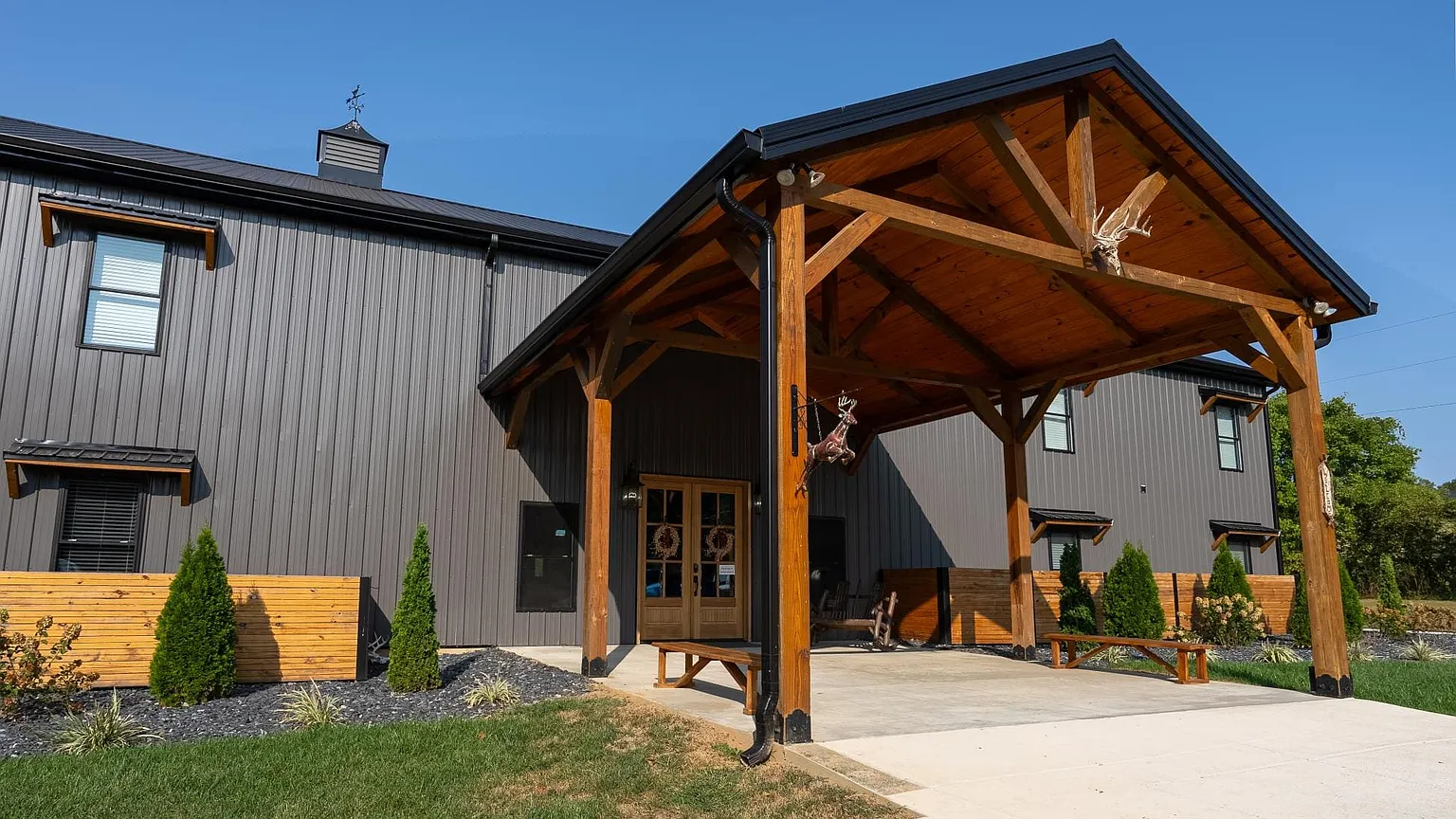
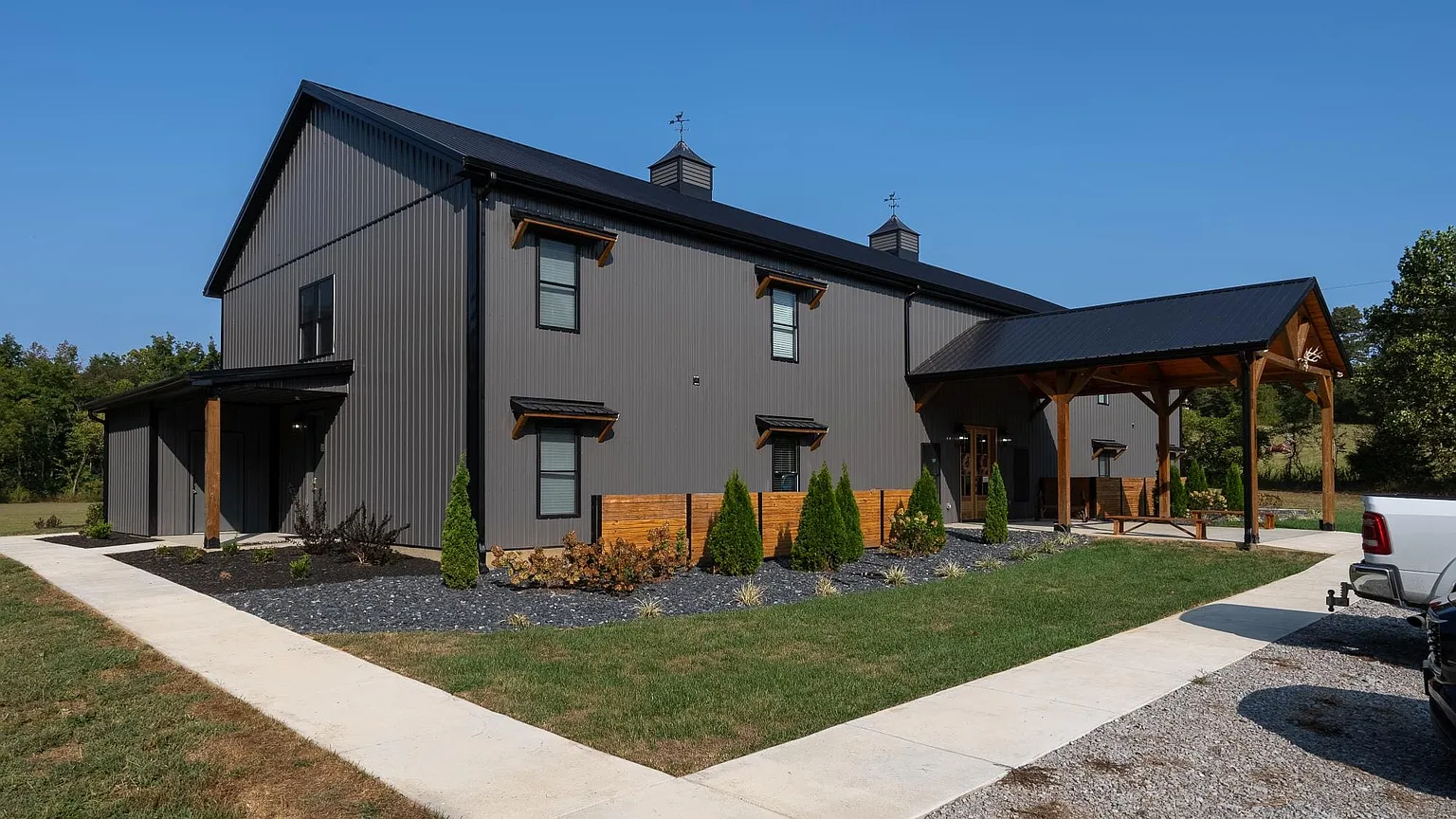
If you are looking for a facility where you can undergo treatment for adjustment disorder near Kentucky, our clinic is at your service – we believe in a whole-person approach to healing and provide the highest standard of care. The map below will show you how to get to Kentucky Wellness Center, and you may learn more about us with the help of our Virtual Tour page.
It is understandable to be upset, irritated, and anxious when you are under a lot of pressure and stress due to a major life transition you feel you are not equipped to deal with. Make sure your sadness and anxiety do not turn into a lasting problem that may bother you for months and years and seek professional help for adjustment disorder as soon as you can – you should not struggle alone, and our specialists will guide you with respect and compassion.
Get in touch with Kentucky Wellness Center at (270) 355-7231 or refer to our Contact Us page – your happy and healthy future is in your hands.
Adjustment disorder affects both mental and physical health of the person – they feel sad, nervous, and tense, they cannot concentrate on simple tasks, and they suffer from random aches, heart palpitations, sleep disturbances, and poor appetite.
You can enhance the effectiveness of psychotherapy with simple adjustments to your daily routine – maintain a balanced diet, prioritize adequate sleep, exercise regularly, and surround yourself with family and friends who speak to you often and support you when life gets hard.
Residential adjustment disorder treatment in Kentucky gives the patient an opportunity to try diverse therapeutic methods – from traditional therapy to unconventional approaches, benefit from structure and routine in a serene setting, and focus strictly on the process of recovery away from triggers and distractions. See our Residential Treatment page for more details.
Yes, our clinic accepts most insurance plans – we will be happy to work with your insurance company if they are willing to cover the cost of your treatment. You may find out more information on our Verify Insurance page.
Yes. If adjustment disorder symptoms persist beyond six months or the emotional distress deepens over time, the condition can evolve into clinical depression or another mood disorder. This is one of the strongest reasons to seek professional treatment early – timely intervention significantly reduces the risk of progression.
Yes. Although the triggering event may seem manageable to others, the emotional and behavioral response it produces can significantly impair your daily functioning, relationships, and professional performance. Without treatment, adjustment disorder can also increase the risk of developing more persistent conditions like depression, anxiety, and social isolation.
Grief is a natural emotional response to loss and follows a general trajectory toward acceptance. Adjustment disorder involves a reaction to a stressful event – not necessarily a loss – that is disproportionate in intensity and impairs daily functioning. If your emotional response to a life change is preventing you from moving forward after several weeks, a clinical evaluation can clarify whether adjustment disorder is the cause.