Skip to content







Virtual Therapy Methods That Actually Work for Modern Mental Health
Key Takeaways
- Virtual therapy works, and research finds it about as effective as in-person care for anxiety and depression.
- It removes the biggest barriers to getting help: travel, time off work, and long waitlists.
- The same proven methods, like cognitive behavioral therapy, adapt well to a screen.
- A strong bond with your therapist can absolutely form over video, it just may take a session or two.
- It is not right for everyone, and a severe crisis needs immediate, in-person, or emergency help.
You’ve been thinking about seeing a therapist for a year. Of course, there is always a reason why: the commute, the waitlist, and working half a day for a fifty-minute session. So, it continues to “slip” to the next month, and the next month.
Most of those excuses are eliminated with virtual therapy. But does it work – or is it the diluted version of the actual thing? The short answer is yes, it does, and this post discusses the methods that do work on a screen.
How Virtual Therapy Methods Transform Modern Mental Health Care
Virtual therapy, also known as teletherapy or telehealth, is meeting with your therapist online through video, phone, or messaging instead of face-to-face. According to the National Institute of Mental Health, virtual care can be effective at addressing issues with anxiety, depression, bipolar disorder, ADHD and PTSD. It’s actually access that changes. The issue for most people was never the desire to act. It was logistics.
It’s useful to compare the two formats.
| Virtual therapy | In-person therapy |
| Join from home, no commute. | Requires travel and time off work. |
| Reach specialists anywhere in your state. | Restricted to therapists within a limited area. |
| Best for anxiety and depression care. | Better for severe crises or complex needs. |
The Shift From In-Person to Online Counseling Platforms
The shift online had already begun, the pandemic pressed fast-forward, and it largely stayed that way once people saw it worked. Better yet, the benefits are not flashy, but instead tangible:
- No commute – a session may take place at lunchtime.
- Access to specialists not close to your location.
- Shorter waitlists and flexible scheduling.
- Care in a private comfortable environment (many prefer this).
Cognitive Behavioral Therapy in Digital Environments
One of the most highly studied treatments available is cognitive behavioral therapy (CBT), which works surprisingly well on a screen. That is because CBT is based on structure, skills, and practice; it is not based on a specific room. You still notice what thoughts are fueling your anxiety or low mood, you still learn some tools to change your thoughts, and you still do the tools in between sessions. It’s easier, if anything, with the same between-session work online, because you have worksheets, apps, and reminders right at your fingertips.
Adapting Evidence-Based Techniques for Screen-Based Sessions
Great virtual therapists tailor their approaches to the virtual medium, rather than using the same session they would in person. Common adaptations include:
- Sharing of worksheets and thought records directly on the screen.
- Tracking mood and habits between meetings with apps.
- Live guidance of breathing or grounding exercises via video.
- Using secure messaging to send session summaries and homework.
Measuring Progress in Teletherapy Settings
One more benefit of teletherapy is that it’s simple to keep track of progress. It is better to have a brief digital check-in to see how things are going, as many therapists prefer this to relying on memory.
This may be short questionnaires provided on a regular basis, a rating of mood immediately before and after each session, or a straightforward review of shared goals provided together at intervals. Often, it’s easier to see the trend line and adjust the plan accordingly, and, indeed, to know when a plan is working.
Building Therapeutic Relationships Through Video Consultations
The biggest concern people have with virtual therapy is that it’s not a real connection. It’s a reasonable question, and the evidence is reassuring. Most people form a strong therapeutic bond over video, and this is one of the greatest predictors of whether therapy helps. It takes a while to get used to, and after that, the screen is not very prominent. It may even be easier to open up when you’re in your own space.
Anxiety Treatment Strategies in Virtual Sessions
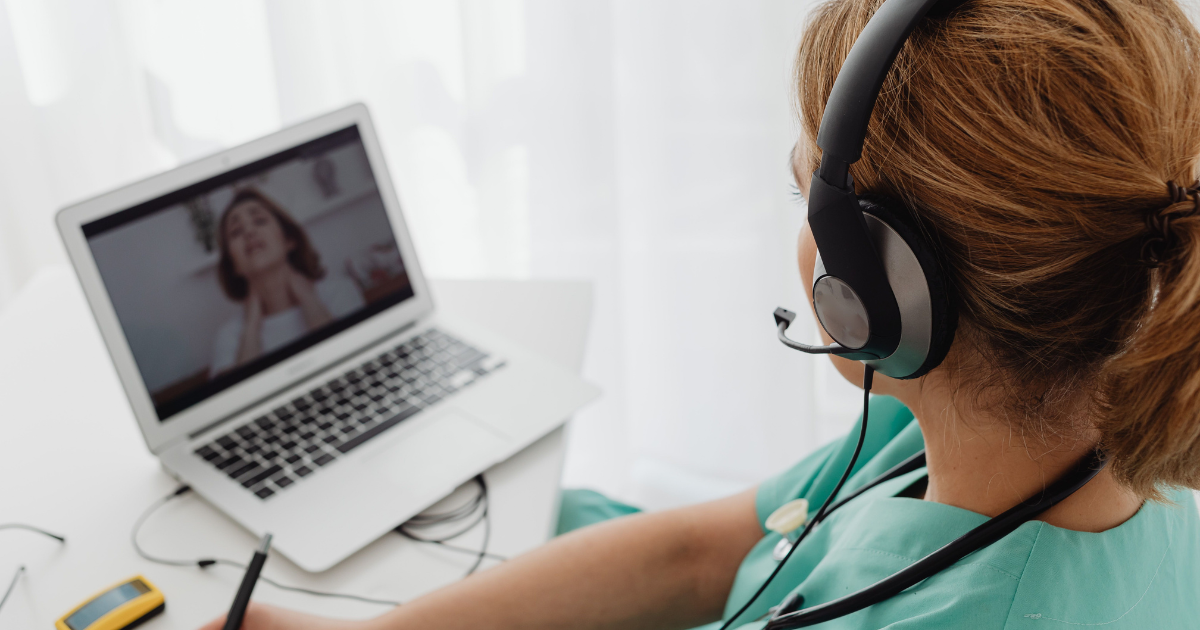
Virtual therapy sessions are an excellent choice for anxiety therapy, in part because much of anxiety happens in daily life; that’s where you meet it. You don’t need to discuss your triggers in a strange office: you can practice them at the place that triggers them. A therapist can take you through a difficult moment, live in the moment, in the place where it’s happening.
Real-Time Coping Mechanisms for Online Therapy Clients
A therapist can have time to teach and practice coping skills with you in your own environment, where you’ll be using them:
- When anxiety spikes, walk through breathing techniques.
- Take the real room around you as a grounding exercise.
- Dealing with feared circumstances, one step at a time, in a safe environment.
- Developing an individual toolbox to access between sessions.
Depression Support and Behavioral Interventions
The bad news about depression is that it sucks the vitality out of you that you need to look for help, and getting out of the house can seem like a difficult task. Then, there’s the aspect of when you’re feeling down, you’re more likely to be able to log on from the comfort of your bed than to get dressed and drive to the other side of town. An essential element of treatment involves gradually building up small, rewarding activities – coached by a therapist – step by step, right where your daily life is occurring.
Selecting a Licensed Therapist for Your Online Mental Health Journey
The platform matters far less than the person. Before you enroll in online therapy, check that the provider is licensed in your state. The U.S. Department of Health and Human Services notes that behavioral health professionals are subject to state licensure rules, including those governing telehealth services. A slick app is not a good therapist. Before committing, it would be good to do a bit of homework.
Credentials, Specializations, and Compatibility Factors
As you select a virtual therapist, there are a few points that you should check out:
- They have a license in your state, which is required by law.
- They have first-hand knowledge of your specific problem, such as anxiety or depression.
- The platform is private and secure, with encrypted, health-grade video.
- You feel comfortable with your therapist because it’s the most important thing.
Why Kentucky Wellness Center Leads in Virtual Mental Health Solutions
This is what’s essential. The most effective care is the care that is actually delivered – and for lots of individuals, virtual care is the care that finally enables them to make it happen. It is not an inferior choice; it is another entry point to the same tried-and-tested assistance. However, it is not for everyone or in every situation, and in serious crises, in-person care is needed.
Our licensed therapists at Kentucky Wellness Center offer safe, science-backed virtual therapy for anxiety, depression, and more, tailored to your life, your schedule, without judgment. Once you’re ready to get going, taking the first step is essential – call us! If you’re ever thinking about suicide, call or text 988 anytime for the Suicide and Crisis Lifeline!
The right people should fit in your lifestyle, not against it. Contact Kentucky Wellness Center, and begin therapy at your own pace.
FAQs
-
Can teletherapy be as effective as in-person mental health counseling for treating anxiety?
For most people with anxiety, yes, research finds teletherapy about as effective as in-person care. Proven methods like CBT translate well to video, and being in your own space can even make exposure and coping work easier. The main exception is a severe crisis or complex case, which may call for in-person or higher-level care.
-
How do licensed therapists adapt cognitive behavioral therapy techniques for online sessions?
CBT relies on structure, skills, and practice rather than a particular room, so it adapts smoothly to a screen. Therapists share worksheets on-screen, use apps to track mood and homework, and guide exercises like breathing or grounding live over video. The core work of spotting and shifting unhelpful thoughts stays exactly the same.
-
What technology do virtual therapy platforms use to ensure secure mental health consultations?
Reputable platforms use encrypted, health-grade video built to protect your privacy, rather than ordinary consumer video apps. In the United States, that means HIPAA-compliant software with secure logins and protected messaging. Before your first session, it is fair to ask a provider exactly how they keep your information private.
-
How long does it take to build rapport with a therapist through video sessions?
It varies, but many people feel a real connection within the first one to three sessions, similar to in-person therapy. It can take a little longer to get used to the format, after which the screen mostly fades into the background. If the fit still feels off after a few sessions, it is okay to try a different therapist.
-
Are depression support interventions different when delivered through behavioral therapy online?
The core interventions are the same, including behavioral activation, which gently rebuilds rewarding daily activities. What changes is convenience, since logging on during a low-energy day is far easier than traveling to an office. That accessibility can be a real advantage, because depression often makes leaving the house feel impossible.
References
- Getting Mental Health Support Virtually, National Institute of Mental Health.
- U.S. Department of Health and Human Services. Licensure. Telehealth