Skip to content





Social Support Networks Transform Mental Health Recovery Outcomes
Healing from a mental illness is seldom, and almost never, accomplished alone. The studies of the predictors of sustained recovery are consistent, indicating that a single variable has been identified above all: the quality and reliability of social connection. Social support is not merely correlated with mental health recovery. Social connectivity is an active constituent of the recovery process, alters neurobiological responses to stress, leads to a lower risk of relapse, and offers the accountability and hope that can help to make tough times easier. This blog describes how science can be applied to social support to improve mental health and how to create networks with the greatest impact.
How Social Support Networks Strengthen Mental Health Recovery
One of the most reliably reproduced pieces of evidence in the entire psychiatric research is the evidence that social support is related to mental health recovery outcomes. The National Institute of Mental Health (NIMH) states that individuals with large social support networks experience much less depression relapse, improved outcomes after psychiatric hospitalization, quicker recovery after acute mental health crises, and reduced suicide rates than individuals with weak social ties.
The Science Behind Peer Connection and Healing
The neurobiological pathway in which social connection aids in mental health recovery is well-understood. The release of oxytocin due to positive social interaction decreases amygdala reactivity and cortisol. The presence of a trusted individual will trigger the ventral vagal circuit that generates the perceived feeling of safety, which will directly lower the autonomic hyperarousal that supports anxiety and depression.
Why Isolation Sabotages Progress in Recovery
Isolation eliminates all of these neurobiological advantages and introduces its disadvantages. Social isolation is found to make one inflamed, boost cortisol, cause sleeplessness, weaken the immune system, and trigger the same brain activity as when one is physically in pain. To individuals who have been depressed, anxious, or traumatized, isolation eliminates external controls that social connection offers, and the individual is left at the mercy of internal controls that the condition has exhausted.
Building Emotional Resilience Through Therapeutic Community
Therapeutic communities are designed to be environments where social connection and peer support are not considered as an add-on to a treatment model but are explicitly constructed into the treatment model. Community building is a deliberate and not an assumed process that makes the social support and mental health recovery relationship the most powerful within the setting.

Creating Safe Spaces for Vulnerability and Growth
Vulnerability safe spaces within a therapeutic community are established by explicit norms that safeguard disclosure, steady reactions that confirm and do not condemn, and exemplary leadership of sincere work with difficulty. Being truly known – including at your worst – and still being accepted is one of the most powerful therapeutic experiences for conditions rooted in shame and isolation.
Coping Strategies That Work Best in Group Settings
Group environments enhance the effectiveness of coping mechanisms in a number of ways. Peer observational learning of strategies not yet tested by the individual, social reinforcement of skill use that increases the likelihood of practice, and normalization of struggle that lessens the shame that inhibits the use of coping strategies. The coping skills that apply particularly to groups are:
- Planning and fulfilling significant activities with peers who give accountability and companionship that reduce the cost of activation.
- Training in a group environment instills confidence in their application in practice and enables their colleagues to coach one another in difficult times.
- The analysis of distorted beliefs within a group presents several ways of looking at issues, which are more effective in challenging distortions than looking at them individually.
- Practice and role-playing communication, boundary-setting, and conflict resolution in the comfort of a group, and then implement them in high-stakes relationships.
Crisis Intervention: When Social Connection Saves Lives
The research evidence on social connection and suicide prevention is one of the strongest in any mental health research. The American Foundation for Suicide Prevention (AFSP) lists social isolation and the absence of social support as some of the most powerful risk factors of suicidal behavior, and the existence of one trusted individual, to whom one can reach out in a crisis situation, can help decrease the likelihood of a suicidal attempt significantly.
How Immediate Peer Response Prevents Escalation
Peers provide immediate crisis response to halt the escalation of the crisis by disrupting the isolation and cognitive constriction that exacerbate suicidal and psychiatric crises. When a person in crisis reaches a peer supporter and receives a warm, present, non-judgmental response within minutes, the neurobiological threat response begins to down-regulate through social safety mechanisms. As this happens, the cognitive narrowing that produces hopelessness and tunnel vision starts to broaden, restoring perspective and hope that the individual cannot generate alone.
Mental Wellness Programs That Prioritize Social Connection
The most effective mental wellness programs share structural characteristics that prioritize connection over efficiency. These include small group sizes to enable authentic relationship building, regular facilitators to exemplify the model of relationship, clear elements of community building that allow group members time and forms of relationship beyond the skill-focused sessions, and alumni networks that enable social bonding to persist even after the formal treatment course.
Recovery Programs Designed Around Peer Support Models
Mental health recovery programs incorporate peer support models where individuals living with mental health experiences are trained to support other individuals in a clinical or community setting. The studies have always indicated that peer support specialists can create results similar to those created by the clinician-provided support in most recovery-oriented objectives, and that they can access individuals who are uncooperative to professional assistance by virtue of the affordance of shared experience.
Transforming Lives Through Community Care at Kentucky Wellness Center
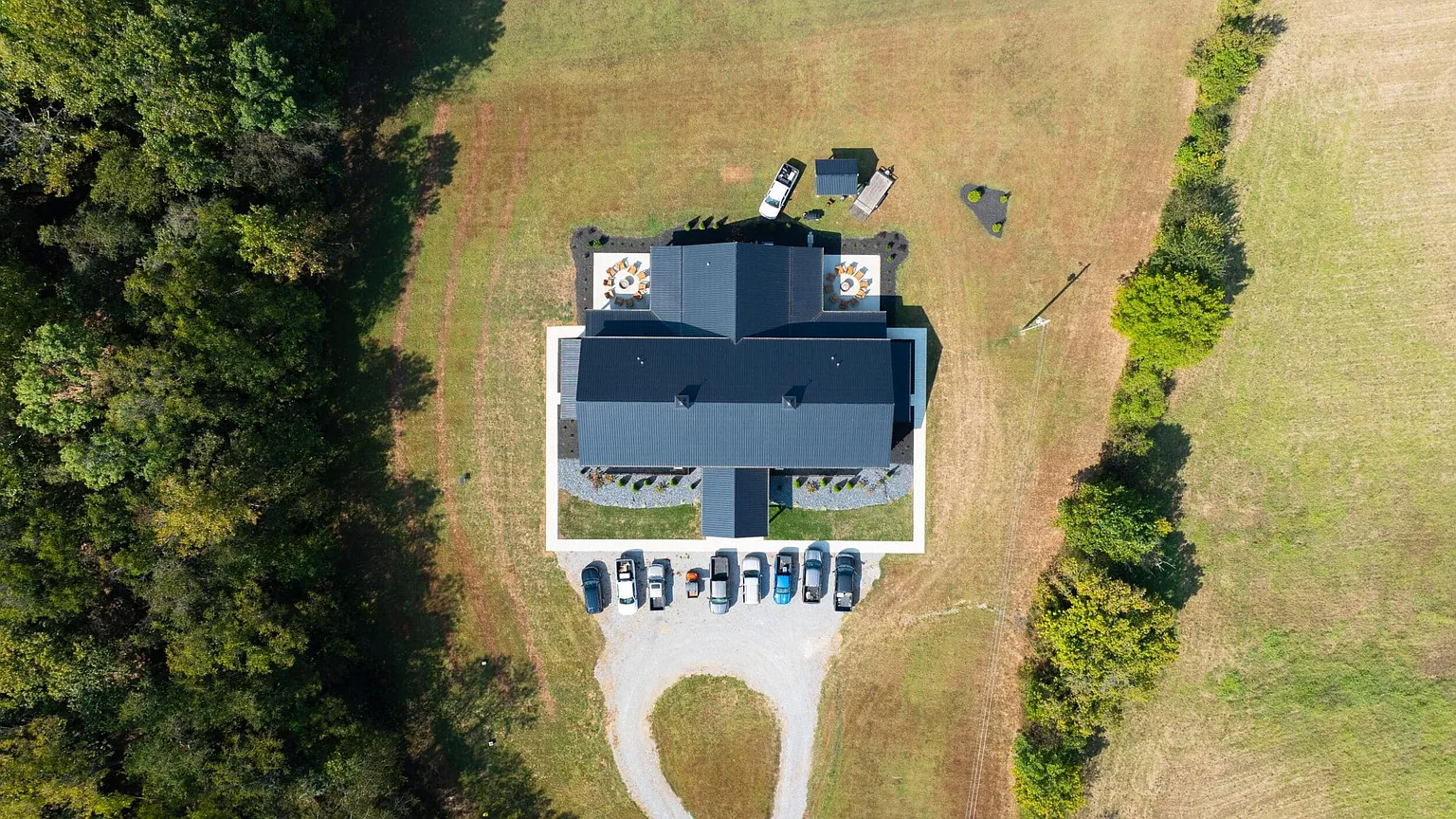
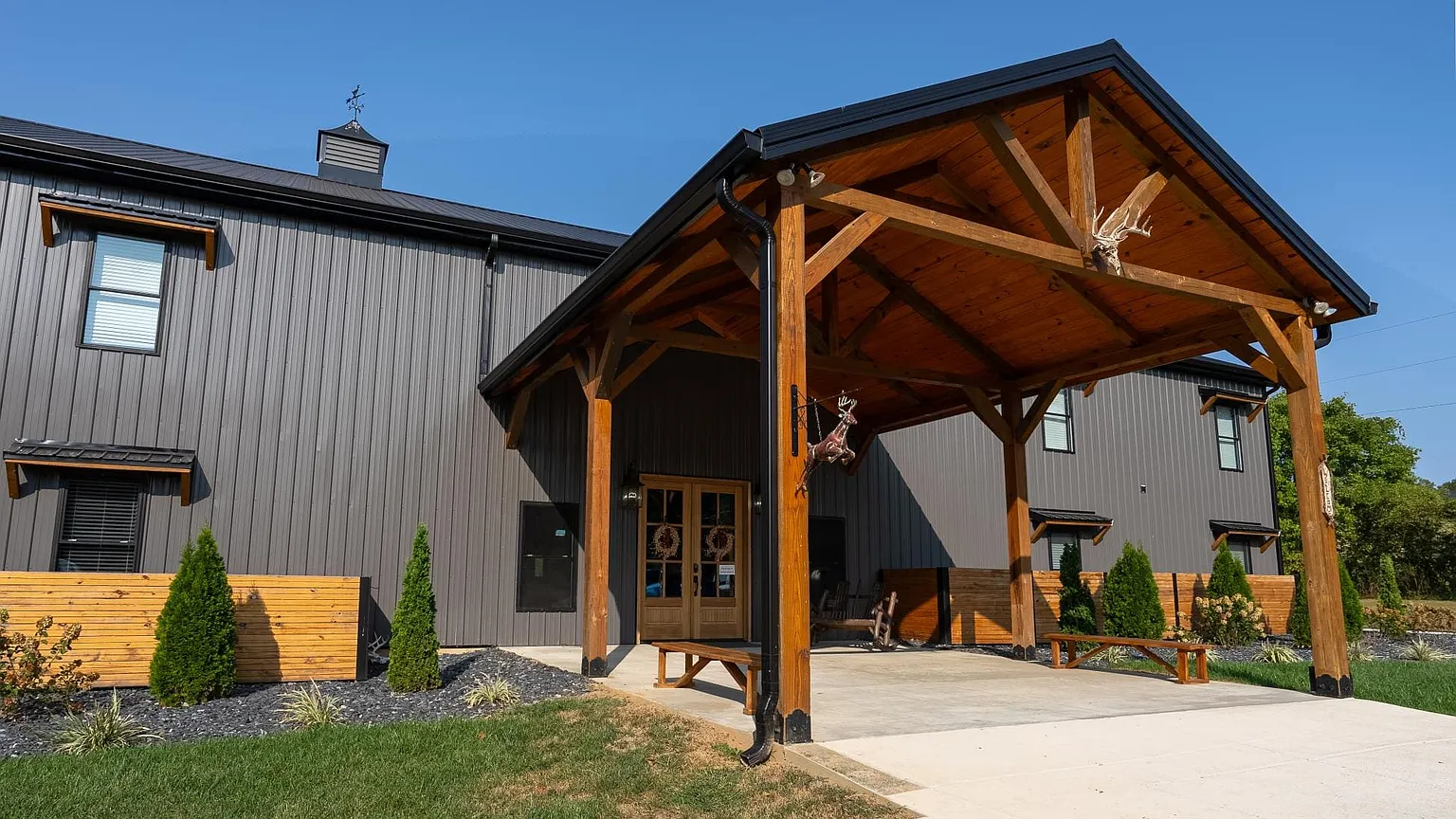
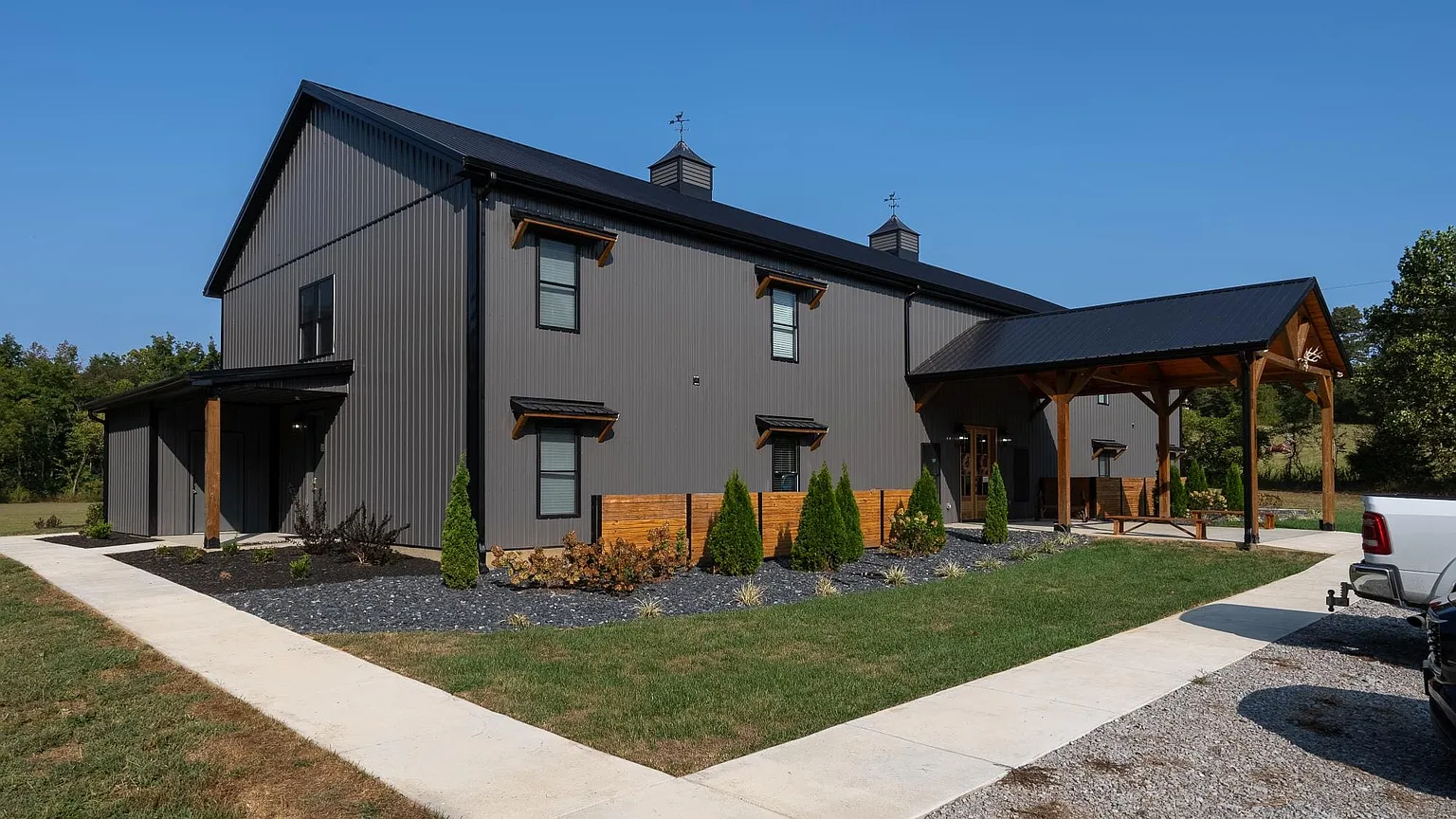
Kentucky Wellness Center incorporates social support and mental health recovery in all aspects of its treatment model because it understands that the only way to achieve long-term recovery is the integration of clinical treatment with community. Our programs combine group therapy, peer support, therapeutic community activities, and family participation to form the social network that research has shown to be the key to long-term mental health.
Contact Kentucky Wellness Center today and learn about social support and mental health recovery programs.

FAQs
-
How do peer support networks accelerate mental health recovery compared to solo treatment?
Peer support networks accelerate recovery by providing neurobiological stress buffering, motivational reinforcement, and early warning systems that individual treatment alone cannot offer. The credibility of shared experience also helps individuals overcome the shame and isolation that prevent many from engaging with formal treatment. Studies of peer support programs have consistently demonstrated increased treatment adherence and a decreased dropout rate, and improved long-term outcomes in comparison with individual treatment, in which there is no aspect of a peer network.
-
What specific coping strategies work best when recovering alongside others in group therapy?
Behavioral practice involving social elements such as interpersonal effectiveness skills, exposure exercises involving the support of peers and accountability, and behavioral activation exercises that are more available to companionship are the coping strategies with the most benefit in a group. Skills practiced in social contexts have consistent social support, and mental health recovery research indicates that skills practiced in social environments tend to generalize better to real-life practice as compared to skills practiced in individual therapy.
-
Can immediate peer response during a crisis actually prevent psychiatric hospitalization?
Yes. Peer crisis support programs such as warmlines and peer respite programs have been shown to result in significant changes in emergency room visits and psychiatric hospitalization of individuals who utilize peer support in the moment of distress, especially when the peer response is warm, prompt, and tied to professional backup when required.
-
Why do therapeutic communities produce better long-term wellness outcomes than traditional counseling alone?
The results of therapeutic communities are superior in the long term because they address the social aspects of mental health recovery directly, rather than as a peripheral part of clinical work, which gives therapeutic communities a regular density of supportive social contact that cannot be duplicated during an entire week of individual therapy. This community also offers the accountability, normalization, and mutual reinforcement of recovery behaviors that keep motivation going through the most challenging stages of recovery.
-
How does social connection rewire the brain’s stress response during mental health recovery?
Social bonding reshapes the neural stress response through co-regulation. The nervous system of a calm, present, attuned individual directly down-regulates the threat response, sensitive other individual directly deactivates the menace reaction of the stressed individual via the vagal system that regulates social security. Repeated co-regulation experiences develop the internal ability to self-regulate by establishing neural connections that relate to the ventral vagal calm state, which gradually reorganizes the nervous system to default to being more regulated than in a state of chronic arousal.