Skip to content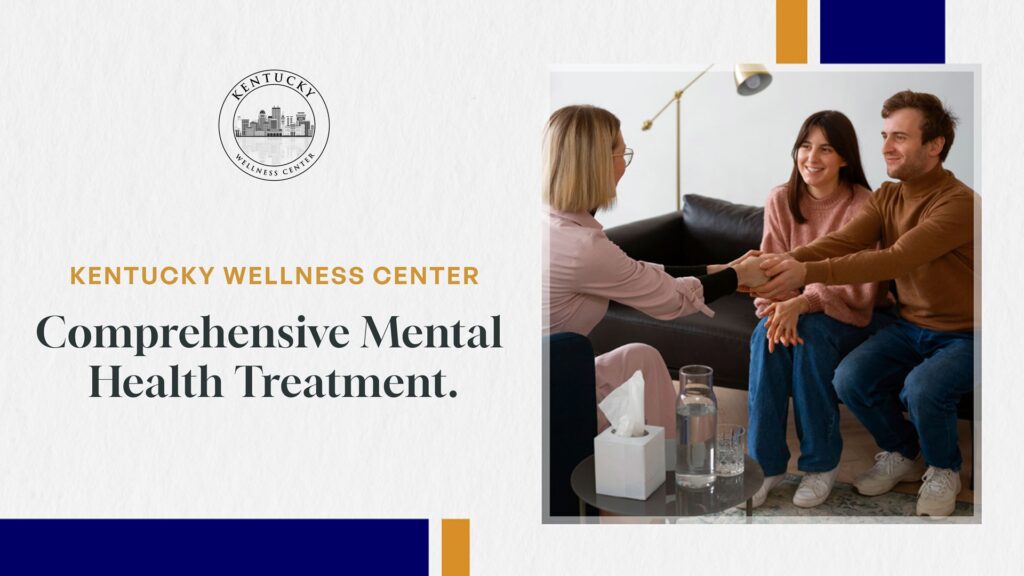



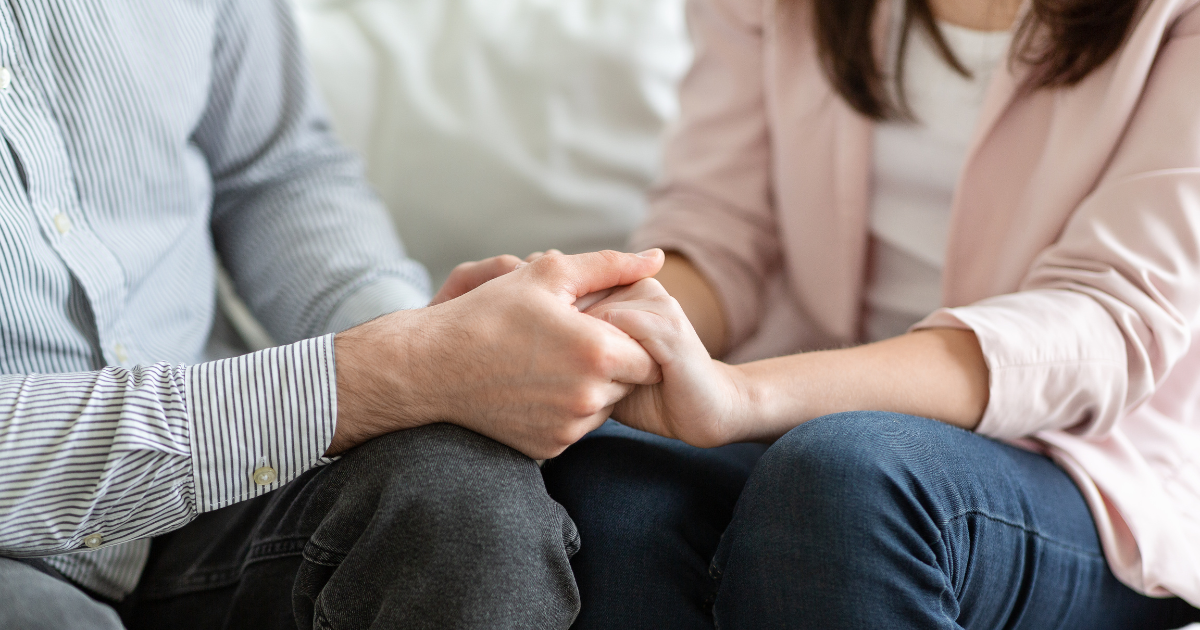
Every marriage goes through difficult seasons, but when tension, distance, or resentment becomes the norm rather than the exception, it may be time to consider marriage counseling. Too many couples wait until their relationship is in crisis before seeking help, when earlier intervention could have prevented months or even years of unnecessary pain.
Marriage counseling provides a structured, guided space where couples can address the root causes of their struggles and develop the tools needed to move forward together. Whether you are dealing with communication breakdowns, trust violations, emotional disconnection, or the added strain of mental health and substance use challenges, professional support can help you and your partner find solid ground again.

What Is Marriage Counseling and How Does It Work?
Marriage counseling is a form of therapy designed to help couples identify, understand, and resolve the conflicts that are damaging their relationship. A licensed marriage therapist serves as a neutral guide, helping both partners communicate more effectively, recognize destructive patterns, and build healthier ways of relating to each other.
Sessions typically involve both partners, though individual sessions may be incorporated when needed. The therapist does not take sides or assign blame. Instead, the focus is on understanding each person’s perspective, uncovering the dynamics driving the conflict, and creating a collaborative plan for change.
Common reasons couples seek marriage counseling include:
- Persistent arguments that escalate quickly and never reach a resolution
- Emotional withdrawal, avoidance or a growing sense of disconnection
- Infidelity, broken promises or other trust violations
- Disagreements about finances, parenting or major life decisions
- The impact of mental health conditions or substance use on the relationship
- Feeling more like roommates than partners
Recognizing that your marriage needs professional support is not a sign of failure. It is one of the most responsible and courageous steps a couple can take.
Common Relationship Issues That Marriage Counseling Addresses
Most couples entering therapy share a few core struggles, even if the surface details look different. Understanding the most common relationship issues can help partners recognize when professional intervention is needed rather than continuing to push through on their own.
Common Relationship Issues and Their Impact
| Relationship Issue | How It Affects the Marriage |
| Poor communication | Misunderstandings multiply, emotional needs go unmet, and small frustrations build into major resentments over time. |
| Lack of trust | Suspicion, secrecy, and hypervigilance replace openness, creating an atmosphere of anxiety and emotional distance. |
| Unresolved conflict | Repeated arguments about the same topics without resolution erode respect and leave both partners feeling hopeless. |
| Emotional disconnection | Partners stop sharing their inner lives, leading to loneliness within the marriage and vulnerability to outside temptation. |
| Substance use or mental health struggles | Untreated conditions introduce unpredictability, broken commitments, and emotional volatility that destabilize the relationship. |
| Intimacy issues | Physical and emotional intimacy decline when underlying conflicts go unaddressed, widening the gap between partners. |
When these issues persist without intervention, couples often fall into a cycle of blame, withdrawal, and escalation that becomes increasingly difficult to break on their own. A skilled marriage therapist helps interrupt these cycles and replace them with healthier patterns.
How Communication in Marriage Improves Through Counseling
Communication in marriage is one of the first areas a therapist addresses because it underlies nearly every other relationship issue. Most couples believe they communicate. But there is a significant difference between talking at each other and truly understanding one another.
Marriage counseling teaches partners to listen actively, express needs without accusation, and respond with empathy rather than defensiveness. Techniques such as reflective listening, “I” statements, and structured dialogue exercises help couples slow down heated exchanges and create space for genuine understanding.
Over time, improved communication transforms the entire dynamic of a relationship. Partners begin to feel heard, validated, and safe enough to be vulnerable, which is the foundation of a healthy emotional connection.
The Process of Rebuilding Trust
When trust has been broken through infidelity, dishonesty, or broken promises, rebuilding trust becomes the central focus of marriage counseling. Trust is not restored through a single conversation or apology. It is rebuilt slowly through consistent, transparent actions over time.
A marriage therapist helps guide this process by creating a safe environment for honest disclosure, helping the injured partner express their pain without the conversation devolving into attack and defense, and supporting the partner who broke trust in demonstrating genuine accountability. Both partners learn that rebuilding trust requires patience, vulnerability, and a shared commitment to doing the hard work together.

Therapy Approaches Used in Marriage Counseling
Not all couples therapy looks the same. A qualified marriage therapist will select the approach or combination of approaches best suited to a couple’s specific challenges and goals. Below is an overview of the most widely used evidence-based methods.
Evidence-Based Approaches in Marriage Counseling
| Therapy Approach | How It Helps Couples |
| Emotionally focused therapy (EFT) | Identifies negative interaction cycles and helps partners create secure emotional bonds by addressing attachment needs. |
| Gottman Method | Uses research-based interventions to strengthen friendship, manage conflict constructively, and build shared meaning. |
| Cognitive behavioral couples therapy | Addresses negative thought patterns and behaviors that fuel conflict in marriage and teaches practical problem-solving skills. |
| Imago relationship therapy | Helps partners understand how childhood experiences shape current relationship dynamics and communication styles. |
| Solution-focused brief therapy | Concentrates on identifying what is already working in the relationship and building on those strengths to create change. |
Many therapists integrate elements from multiple approaches depending on the couple’s needs. The goal is always to provide practical tools and deeper understanding that lead to lasting improvement in the relationship.
When Mental Health or Substance Use Affects a Marriage
Mental health conditions and substance use disorders add significant complexity to marital conflict. Depression can look like withdrawal or apathy. Anxiety can manifest as controlling behavior or constant criticism. Addiction introduces dishonesty, financial strain, and emotional unpredictability that wear down even the strongest partnerships.
In these situations, marriage counseling works best when combined with individual treatment for the affected partner. Addressing the underlying condition alongside the relational dynamics gives both partners the best chance at meaningful recovery and a healthier relationship moving forward.
Signs It Is Time to Start Marriage Counseling
Couples often wonder whether their problems are serious enough to warrant professional help. The answer is almost always yes. If you are asking the question, the relationship is likely already under more strain than either partner realizes.
Clear signs that marriage counseling is needed include repeated arguments that follow the same unresolved pattern, one or both partners feeling emotionally checked out, avoidance of difficult conversations, a noticeable decline in physical or emotional intimacy, and the presence of substance use or untreated mental health symptoms that are affecting the home environment.
Early intervention produces the best results. The sooner couples address their challenges with professional guidance, the less entrenched negative patterns become, and the easier they are to change.
A Wellness-Centered Path to a Stronger Marriage Starts at Kentucky Wellness Center
A struggling marriage does not mean a failed marriage. With the right support, couples can move through even the most painful challenges and come out stronger on the other side.
Kentucky Wellness Center offers comprehensive behavioral health services that address the mental health and substance use issues that often lie at the heart of marital conflict. Our experienced clinical team provides individualized treatment plans that support not only the person in care but also the relationships that matter most to them.
Contact the Kentucky Wellness Center today to learn how our programs can help you and your partner take the first step toward healing. A stronger, healthier marriage is within reach, and you do not have to navigate the journey alone.
FAQs
- How long does marriage counseling typically take to show results?
The timeline varies depending on the severity of the issues and both partners’ willingness to engage in the process. Many couples notice improvements in communication and emotional connection within the first several sessions. More complex challenges, such as rebuilding trust after infidelity or addressing co-occurring mental health conditions, may require several months of consistent work.
- Can marriage counseling help if only one partner is willing to attend?
While couples therapy is most effective when both partners participate, individual therapy can still make a meaningful difference. One partner learning healthier communication skills and emotional regulation techniques often shifts the dynamic of the entire relationship. A therapist can also help the willing partner determine next steps and set healthy boundaries.
- What is the difference between marriage counseling and individual therapy?
Marriage counseling focuses specifically on the relationship dynamic between two partners, including communication patterns, conflict cycles, and shared goals. Individual therapy addresses one person’s mental health, personal history, and emotional well-being. In many cases, the most effective treatment plan combines both approaches so that individual challenges and relational issues are addressed simultaneously.
- How does substance use affect a marriage, and can counseling help?
Substance use disorders introduce dishonesty, emotional volatility, financial strain, and broken trust into a marriage, often creating cycles of conflict and resentment. Marriage counseling can help couples address the relational damage caused by addiction, but it is most effective when the affected partner is also receiving individual treatment for the substance use disorder. Integrated care gives both partners the tools to rebuild a healthier foundation.
- Is it ever too late to try marriage counseling?
It is rarely too late to benefit from professional support. Even couples on the verge of separation have found that marriage counseling helped them either repair the relationship or navigate the transition with greater understanding and less conflict. The key factor is both partners’ willingness to be honest, open, and committed to the process regardless of the outcome.