Skip to content







Key Takeaways
- Kentucky Wellness Center’s intensive outpatient program in Louisville delivers structured, clinical treatment—including CBT, DBT, and trauma-informed care—without requiring an overnight inpatient stay, letting clients keep their jobs, families, and daily routines intact throughout recovery.
- Flexible morning and evening schedules (typically three 3-hour sessions weekly, 9–15 hours total) remove the number-one barrier that causes people to delay or drop out of addiction treatment.
- The program treats substance use and co-occurring mental health conditions simultaneously through integrated dual-diagnosis care, an evidence-based approach shown to produce more durable, lasting recovery.
Getting clean isn’t a straight line — anybody who’s been close to addiction knows that. And the idea that you have to drop everything, check in somewhere, and disappear from your own life for weeks? That’s just not possible for most people. Bills don’t stop, kids still need dinner, and maybe your boss doesn’t know what you’re going through — and you’d like to keep it that way. That’s why programs like the intensive outpatient program in Louisville at Kentucky Wellness Center matter so much. You get serious, structured help — real clinical treatment — without having to put your entire life on pause to do it.
Intensive Outpatient Program in Louisville Provides Structured Support Without Inpatient Commitment
People sometimes assume that outpatient means easier. It doesn’t. The intensive outpatient program in Louisville here is clinical, structured, and run by trained professionals. The primary difference from inpatient care is the overnight component: you don’t stay at the facility.
You go home — which for most people is exactly what makes treatment something they can actually finish instead of dropping out two weeks in because the pressure of being away became too much.
How IOP Differs From Traditional Inpatient Care
Inpatient means living at the facility. Meals there, nights there, the whole thing. IOP means you attend scheduled sessions — sometimes mornings, sometimes evenings — then leave. That’s it. The clinical work is serious either way. Verywell Mind recognizes IOP as a legitimate level of treatment, not a lesser one.
For those who don’t require round-the-clock care, partial hospitalization alternatives like IOP offer a clinically sound middle ground between inpatient treatment and standard outpatient visits. It was designed for people who don’t need 24-hour medical watching, which turns out to be a lot of people who still very much need help.
Who Benefits Most From This Level of Treatment
People who have a stable living situation and aren’t in active medical crisis tend to do well here. This level also works well for people stepping down from inpatient care who need something between full residential treatment and managing recovery on their own.
Early recovery is unpredictable, and having three solid sessions per week provides structure when everything else still feels unsteady. That kind of anchor matters a lot more than people expect going into it.
Core Components of IOP Treatment Options Louisville at Kentucky Wellness Center
The IOP treatment options Louisville residents access at this center aren’t filler. Each piece of the program is there because the research says it works — not because it fills a time slot or looks good on paper.
Evidence-Based Outpatient Therapy Modalities Used in Sessions
Here’s what evidence-based outpatient therapy actually looks like inside these sessions — not jargon, just what happens:
- CBT — teaches you to notice the thought loops that lead back to using.
- DBT — for the moments when emotions get so big you can’t think straight.
- Motivational Interviewing — your counselor helps you find your own reasons, not theirs.
- Trauma-Informed Care — the stuff underneath addiction gets real attention here.
- Psychoeducation Groups — teaches you how addiction and the brain actually connect.
Flexible Addiction Treatment Schedules Allow You to Maintain Work and Family Responsibilities
This part matters more than people give it credit for. The number one reason people delay treatment or drop out early is that the schedule doesn’t fit reality. The flexible addiction treatment schedules at Kentucky Wellness Center eliminate that barrier — not through pressure, but through practical design. If you can only come in the evenings, fine. If mornings work better, that works too. The center was set up for real people with real constraints.
Typical Weekly Session Structure and Time Commitments
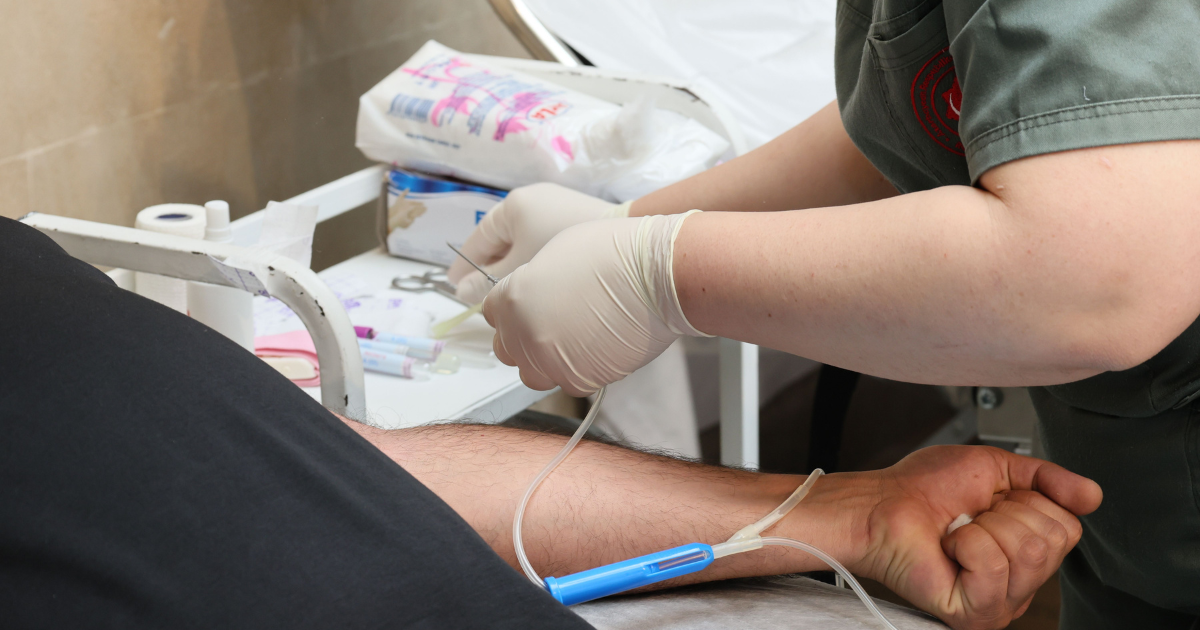
Three days per week is typical. Each session runs for approximately three hours. So somewhere between nine and fifteen hours weekly total — workable for most adults who want to make this happen. Here’s a general sense of what a week tends to look like:
| Day | Session Focus | Duration |
| Monday | Group Therapy | ~3 hours |
| Wednesday | Individual Session + Education | ~3 hours |
| Friday | Skills Review + Check-in | ~3 hours |
Substance Abuse Counseling Louisville Addresses Co-Occurring Mental Health Conditions
Addiction almost never shows up clean. There’s usually something else in the mix — anxiety that went self-medicated for years, depression that never received a proper diagnosis, and trauma that was buried because confronting it felt impossible.
Substance abuse counseling Louisville at Kentucky Wellness Center works on all of it. This program doesn’t tackle addiction first and mental health later. Both are treated at once, because that is actually how people get better and stay better.
Integrated Treatment for Dual Diagnosis Cases
Dual diagnosis means two diagnoses at the same time — substance use disorder and a mental health condition together. When programs treat just one issue, the untreated issue tends to drag the person back. It’s a cycle a lot of people know too well.
The National Institute on Drug Abuse backs integrated treatment as the most effective path for dual diagnosis cases — and that’s exactly how Kentucky Wellness Center approaches it.
Outpatient Mental Health Services Kentucky Include Group and Individual Therapy Sessions
One thing that surprises people about the outpatient mental health services Kentucky Wellness Center offers is how much variety there is. It’s not just one format repeated over and over.
Some clients benefit most from individual sessions, while others find that group settings resonate differently — hearing someone else describe your own experience can break something open in a way private sessions sometimes cannot. The program gives you both.
Mental Health Support Groups Kentucky Build Peer Connection and Accountability
Groups aren’t for everyone at first — that’s fair. But something shifts when you’re sitting with people who’ve been through similar things and stopped pretending otherwise. The mental health support groups Kentucky clients join here aren’t lecture sessions.
They’re actual conversations. People hold each other accountable in ways a therapist alone sometimes can’t. That kind of connection builds momentum that carries you through the hard weeks.
Begin Your Recovery Journey at Kentucky Wellness Center
You’ve spent time reading this, which means part of you is ready to do something different. That part is right. Kentucky Wellness Center is set up for people in complicated situations — jobs to keep, families to take care of, lives that can’t go on hold.
The addiction recovery programs Louisville residents find here are real, clinically strong, and built around schedules that work. Nobody’s going to pressure you. But the conversation has to start somewhere. Visit Kentucky Wellness Center to take the next step toward recovery. The right support is there when you’re ready for it.

FAQs
-
How many hours per week does an intensive outpatient program in Louisville typically require?
Most clients attend between nine and fifteen hours per week. Sessions are usually scheduled across three days each week. Each visit runs for approximately three hours per session.
-
Can I attend an intensive outpatient program in Louisville while working full-time?
Yes, many people hold full-time jobs throughout their IOP. Evening and morning session options are available for working adults. The whole schedule is designed to fit around employment commitments.
-
Does outpatient addiction treatment cover both substance use and mental health issues?
Yes, quality programs treat both conditions at the same time. Leaving one untreated usually causes the other to get worse. Integrated care is what leads to recovery that actually holds long-term.
-
What happens if I miss a session in my behavioral health programs schedule?
Call your counselor right away if you know you’ll miss. Some programs allow make-up sessions depending on your plan. Staying consistent with attendance greatly improves your recovery outcome.
-
How long do most people stay enrolled in substance abuse treatment at an IOP facility?
Eight to twelve weeks is the most common length of stay. Your individual progress shapes how long your program runs. The care team reviews your plan and adjusts it throughout treatment.