Treatment ends, but recovery continues. The relationships you form during residential care – with peers who understand your struggles, with clinicians who’ve guided your healing, with the community that supported your transformation – don’t have to disappear when you walk out the door. Kentucky Wellness Center’s Alumni Program keeps you connected to the people and resources that helped you get well, providing ongoing community support for as long as you want it.
Recovery is harder in isolation. The months and years after completing intensive treatment bring challenges that people who haven’t experienced mental health conditions can’t fully understand. Having a community that gets it – people who’ve been through similar struggles and come out the other side – makes those challenges more manageable. Our Alumni Program provides that community, free of charge, indefinitely.
Contact Kentucky Wellness Center at (270) 355-7231 or visit our Contact Us page to learn more about staying connected after treatment.
The Alumni Program is a community of individuals who’ve completed treatment at Kentucky Wellness Center. It’s not clinical care – that’s what our Aftercare & Continuing Support services provide. Instead, it’s a network of peer support, shared experiences, and ongoing connection that complements whatever clinical care you’re receiving.
Think of it as your recovery family. People who knew you during one of the most vulnerable periods of your life. People who witnessed your breakthroughs and your setbacks. People who are walking similar paths and can offer perspective when your own feels limited.
Membership in the Alumni Program is automatic for anyone who completes treatment at our facility. There’s no additional cost, no application process, no time limit on participation. Once you’re part of our community, you’re part of it for life – or for as long as you want to be.
Research consistently shows that social support is one of the strongest predictors of long-term mental health recovery. People who maintain connections to recovery communities after treatment have better outcomes than those who try to go it alone. The Alumni Program exists because we take this research seriously.

Combating Isolation
Mental health conditions often involve isolation - withdrawing from friends and family, feeling like no one understands, believing you're uniquely broken. Treatment begins to change this, connecting you with others who share similar experiences. But returning home can trigger old isolation patterns, especially if your pre-treatment social network doesn't understand what you've been through.
The Alumni Program provides a community that understands without explanation. When you're struggling, you can reach out to people who've been there. When you're thriving, you can share victories with people who appreciate how hard-won they are.

Accountability Without Judgment
Staying on track with recovery practices - therapy appointments, medication, healthy routines, coping skills - is easier when others are paying attention. Not in a surveillance way, but in a caring way. Alumni connections provide gentle accountability: people who'll notice if you disappear, who'll check in when things seem off, who'll encourage you to seek help before small struggles become big crises.

Giving Back
At some point in recovery, helping others becomes part of your own healing. Sharing what you've learned, offering hope to people earlier in their journey, demonstrating that recovery is possible - these acts of service benefit both the giver and receiver. The Alumni Program creates opportunities to give back, whether through formal mentorship or informal encouragement.

Normalizing the Recovery Journey
Recovery isn't a straight line. Most people experience setbacks, difficult periods, times when symptoms return or life becomes overwhelming. In a community of people who've been through similar experiences, these struggles are normalized rather than catastrophized. You learn that setbacks don't mean failure, that asking for help is strength, that the path forward isn't always obvious but always exists.

Combating Isolation
Mental health conditions often involve isolation - withdrawing from friends and family, feeling like no one understands, believing you're uniquely broken. Treatment begins to change this, connecting you with others who share similar experiences. But returning home can trigger old isolation patterns, especially if your pre-treatment social network doesn't understand what you've been through.
The Alumni Program provides a community that understands without explanation. When you’re struggling, you can reach out to people who’ve been there. When you’re thriving, you can share victories with people who appreciate how hard-won they are.

Accountability Without Judgment
Staying on track with recovery practices - therapy appointments, medication, healthy routines, coping skills - is easier when others are paying attention. Not in a surveillance way, but in a caring way. Alumni connections provide gentle accountability: people who'll notice if you disappear, who'll check in when things seem off, who'll encourage you to seek help before small struggles become big crises.

Giving Back
At some point in recovery, helping others becomes part of your own healing. Sharing what you've learned, offering hope to people earlier in their journey, demonstrating that recovery is possible - these acts of service benefit both the giver and receiver. The Alumni Program creates opportunities to give back, whether through formal mentorship or informal encouragement.

Normalizing the Recovery Journey
Recovery isn't a straight line. Most people experience setbacks, difficult periods, times when symptoms return or life becomes overwhelming. In a community of people who've been through similar experiences, these struggles are normalized rather than catastrophized. You learn that setbacks don't mean failure, that asking for help is strength, that the path forward isn't always obvious but always exists.
Our Alumni Program includes multiple ways to stay connected, allowing you to engage at whatever level feels right for you.
Alumni Events and Gatherings
We host regular events that bring alumni together – some social, some educational, some focused on specific recovery topics. These gatherings provide opportunities to reconnect with people you met during treatment, meet others who’ve completed the program at different times, and maintain your connection to the Kentucky Wellness Center community.
Events may include:
Alumni Newsletter
Regular communications keep you informed about Kentucky Wellness Center news, alumni events, mental health resources, and community updates. The newsletter also features alumni stories (with permission) that inspire and demonstrate what’s possible in recovery.
Peer Support Connections
Some alumni benefit from more structured peer connections. We can facilitate introductions between alumni at similar stages of recovery or facing similar challenges, creating opportunities for one-on-one support relationships.
These connections are peer-to-peer, not clinical. They’re about shared experience and mutual encouragement, not therapy. But for many people, having someone to text when things get hard – someone who truly understands – makes a meaningful difference.
Return Visit Opportunities
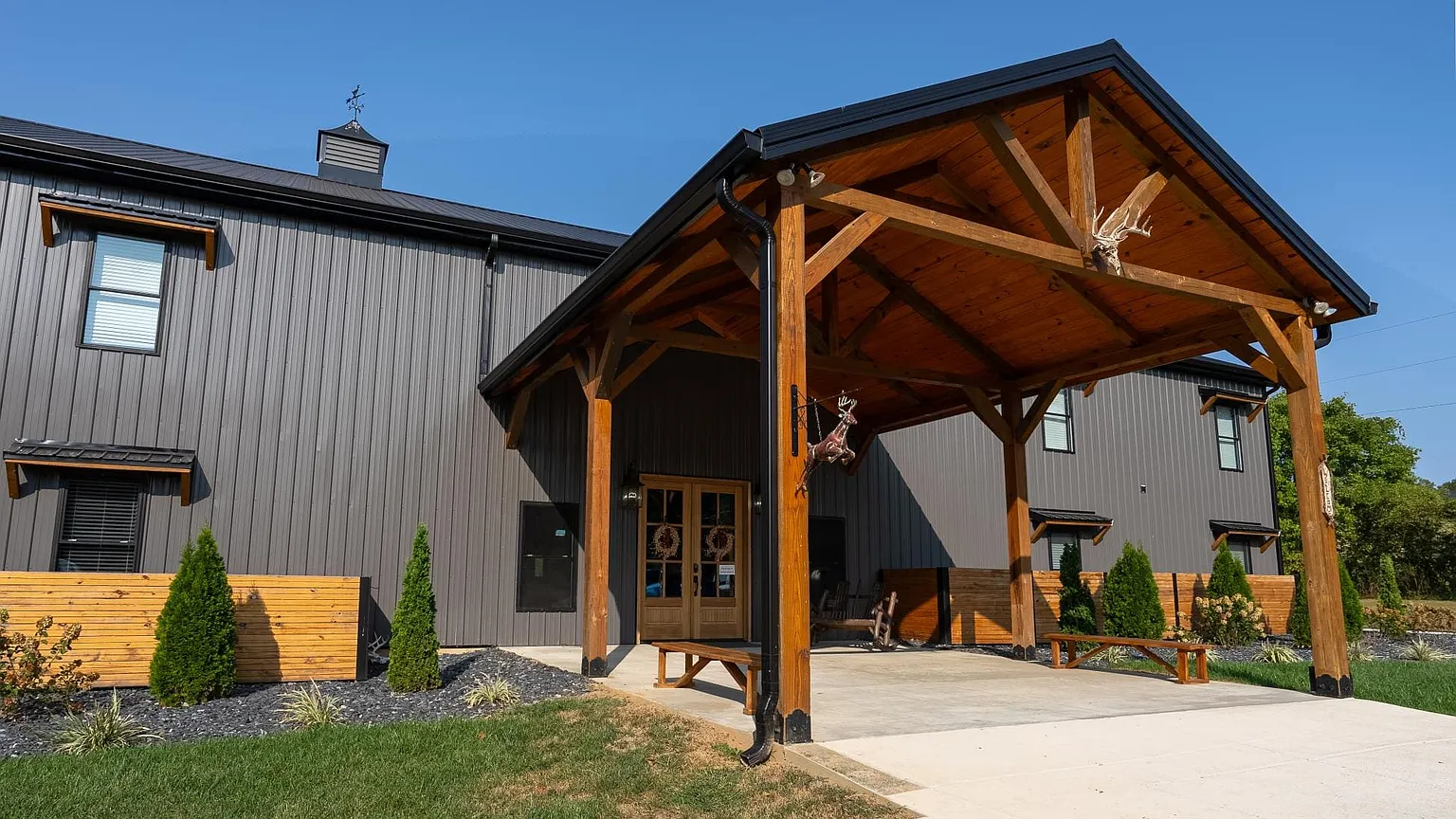
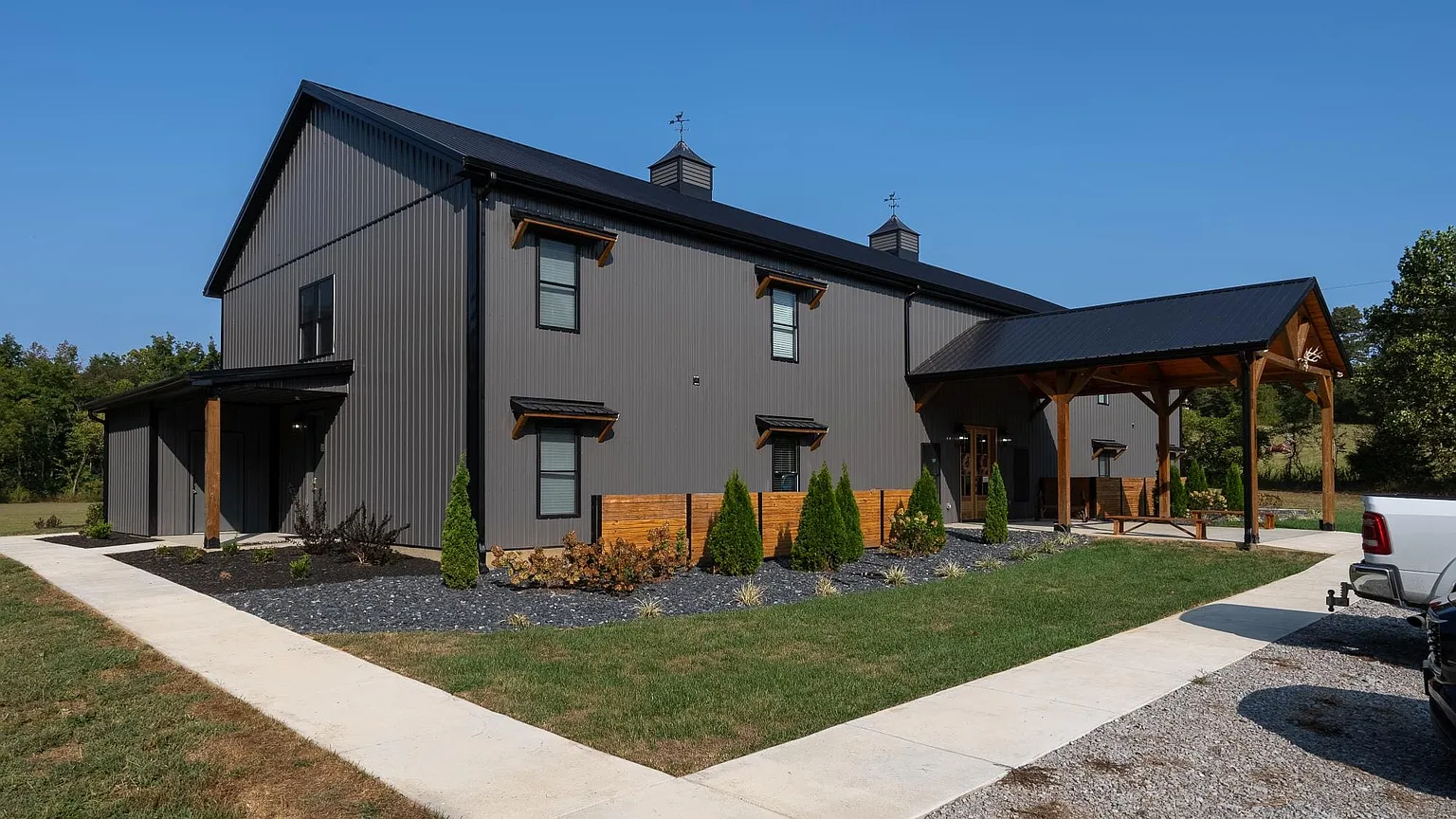
Alumni are welcome to visit our Kentucky facility, reconnect with staff, and see the environment where their recovery began. For some, periodic visits reinforce their commitment to recovery and remind them how far they’ve come. For others, sharing their story with current clients provides hope and demonstrates that treatment works.
Access to Resources
Alumni receive ongoing access to mental health resources, educational materials, and information about additional support options. If you need to step back into clinical care – whether with us or elsewhere – we can help connect you with appropriate services.
The Alumni Program is open to anyone who has completed treatment at Kentucky Wellness Center, whether:
There’s no minimum length of stay requirement and no expiration on eligibility. If you received treatment with us, you’re welcome in our alumni community.
It’s important to understand the distinction between the Alumni Program and our clinical Aftercare & Continuing Support services:
Most people benefit from both. The Alumni Program provides community and connection; Aftercare provides ongoing clinical support. They work together to support long-term recovery.
If you’re unsure what level of support you need, contact us. We can help you determine whether peer support, clinical care, or both is appropriate for your current situation.
We also offer resources and connection opportunities for family members of alumni. Supporting someone through mental health treatment and recovery is its own journey, and families benefit from connecting with others who understand.
Make sure we have your current contact information so you receive event invitations, newsletters, and community updates. Update your information through our Admissions Team.
Watch for event announcements and RSVP when something interests you. Events range from casual social gatherings to structured educational programs – there’s something for different preferences and comfort levels.
If you’re struggling and need peer support, reach out to our alumni coordinator at (270) 355-7231. We can connect you with other alumni, help you find resources, or simply listen.
Remember: peer support complements but doesn’t replace clinical care. If you’re in crisis, contact our clinical team or emergency services.
As you progress in recovery, consider how you might support others. Options include:
Giving back is voluntary and should only happen when you’re stable enough to do so without jeopardizing your own recovery.
Peer support is valuable, but it has limitations. Some guidelines help keep alumni connections healthy:
Recognize warning signs
If a peer seems to be in crisis - talking about self-harm, expressing hopelessness, describing dangerous situations - encourage them to seek professional help immediately. You can offer support, but clinical crises need clinical response.
Peer support isn't therapy
Respect boundaries
Respect boundaries
Protect confidentiality
Recognize warning signs
Take care of yourself first
Sometimes alumni need to return to clinical care. Life circumstances change, symptoms return, new challenges emerge. This isn’t failure – it’s an appropriate response to real needs.
If you’re an alumnus who needs additional treatment, contact us. Your history with Kentucky Wellness Center means we can resume care efficiently, building on what we already know about you rather than starting from scratch. Whether you need a brief return to intensive care or simply want to restart outpatient therapy, we’re here for you.
There’s no shame in returning. Recovery isn’t linear, and seeking help when you need it is exactly what recovery looks like.
No matter how challenging your mental health issues seem to you, there is always an opportunity to get better, recover, and lead a fulfilling life. Your mental wellness is in your hands – do not allow your diagnosis to reduce your ability to experience positive emotions or erode the bonds with people you care about.
Contact Kentucky Wellness Center today – if you’re struggling and need professional support – contact our main admissions line at (270) 355-7231 or visit our Aftercare & Continuing Support page to explore clinical options.
No. The Alumni Program is free for all Kentucky Wellness Center alumni. There’s no membership fee, no event costs, and no time limit on participation. Once you’ve completed treatment with us, you’re part of our community for as long as you want to be.
The Alumni Program provides peer support and community connection – it’s about relationships with other people who’ve been through treatment. Aftercare provides clinical services from licensed professionals – therapy, medication management, and structured treatment programs. Most people benefit from both: clinical aftercare for ongoing treatment needs and alumni connection for community support.
Absolutely. There’s no expiration on alumni membership. Whether you completed treatment last month or a decade ago, you’re welcome in our alumni community. Many people reconnect with the program after years away, finding value in community they didn’t need earlier in recovery.
Peer support has limits. If you’re experiencing a mental health crisis, return of significant symptoms, or need professional guidance, contact our clinical team at (270) 355-7231. We can help you access appropriate care, whether that’s resuming therapy, adjusting medications, returning to intensive treatment, or connecting with other resources. The Alumni Program complements clinical care but doesn’t replace it.
We recognize that families are part of the recovery journey. Family members may be invited to certain alumni events, and we offer resources specifically for loved ones. Contact the alumni coordinator to learn about current family programming options.