
 Skip to content
 When emotions feel unbearable – so intense that you act impulsively, harm yourself, or push away the people you need most – standard therapy approaches sometimes fall short. Dialectical Behavior Therapy was created specifically for this level of struggle. DBT teaches concrete skills for tolerating distress, regulating overwhelming emotions, improving relationships, and staying present in difficult moments. Originally developed for borderline personality disorder, DBT has since proven effective for anyone whose emotional intensity disrupts their life and relationships.
At Kentucky Wellness Center, our DBT-trained clinicians deliver comprehensive skills training alongside individual therapy to help you build a life worth living. Whether you’re battling self-destructive urges, chronic emptiness, or relationships that cycle between intense closeness and painful conflict, DBT provides a structured path toward stability and genuine change.
Contact Kentucky Wellness Center today at (270) 355-7231 or visit our Contact Us page for a free, confidential consultation to begin your healing journey.

Hana Giambrone

Lori Humphrie

Dr. Jason Miller
Dialectical Behavior Therapy (DBT) is an evidence-based treatment developed by Dr. Marsha Linehan in the 1980s for individuals with chronic suicidal thoughts and self-harm behaviors. The approach combines cognitive-behavioral techniques with mindfulness practices drawn from Zen Buddhism, creating a unique framework that validates your current struggles while simultaneously pushing for change. This balance – acceptance and change together – is the “dialectic” at DBT’s core.
DBT operates on the premise that some people experience emotions more intensely, react more quickly, and return to baseline more slowly than others. This biological sensitivity, combined with environments that dismissed or punished emotional expression, creates a perfect storm of dysregulation. DBT addresses both sides: teaching skills to manage intense emotions while also working to build a life that generates fewer crises in the first place.
Comprehensive DBT includes multiple components: individual therapy sessions, skills training groups, phone coaching for crisis moments, and a consultation team for therapists. During residential treatment, these elements integrate seamlessly into your daily schedule, providing intensive support that outpatient DBT typically delivers over a year or more.
DBT serves as a powerful component of comprehensive mental health treatment and works effectively alongside individual therapy, group therapy, and psychiatric care. Visit our Therapy Modalities page to explore the full range of treatment options available at Kentucky Wellness Center.

DBT offers specific advantages for people whose emotional intensity has made other treatments ineffective or incomplete. Its structured skill-building approach produces measurable improvements in areas that deeply affect quality of life.

Reduces Self-Destructive Behaviors
DBT has the strongest evidence base for decreasing self-harm, suicidal behaviors, and other dangerous impulsive actions.

Builds Emotional Regulation
You learn to identify, understand, and modulate intense emotions rather than being controlled by them.

Improves Relationships
Interpersonal effectiveness skills help you communicate needs, set boundaries, and maintain connections without sacrificing self-respect.
Provides Crisis Tools
Distress tolerance techniques give you options for surviving painful moments without making things worse.
Reduces Self-Destructive Behaviors
DBT has the strongest evidence base for decreasing self-harm, suicidal behaviors, and other dangerous impulsive actions.
Builds Emotional Regulation
You learn to identify, understand, and modulate intense emotions rather than being controlled by them.
Improves Relationships
Interpersonal effectiveness skills help you communicate needs, set boundaries, and maintain connections without sacrificing self-respect.
Provides Crisis Tools
Distress tolerance techniques give you options for surviving painful moments without making things worse.

DBT is the most researched treatment for borderline personality disorder and has accumulated compelling evidence for suicidal and self-harming behaviors across diagnoses. Clinical trials consistently show that DBT reduces emergency room visits, psychiatric hospitalizations, and self-injury while improving depression, anxiety, and overall functioning. For people who’ve cycled through multiple treatments without lasting improvement, DBT often provides the breakthrough.
What makes DBT uniquely effective is its radical practicality. Rather than focusing primarily on insight or understanding, DBT prioritizes skill acquisition. You learn specific techniques for specific problems: what to do when you’re overwhelmed by urges, how to ask for what you need without damaging relationships, and ways to tolerate pain that feels unbearable. These aren’t abstract concepts – they’re tools you practice until they become automatic responses.
The validation component also sets DBT apart. Many people with intense emotions have spent years being told they’re “too sensitive” or “overreacting.” DBT acknowledges that your pain is real and your reactions make sense given your history – while also maintaining that you can develop new responses. This stance often reaches people who’ve felt misunderstood by previous treatment approaches.

DBT is appropriate for adults experiencing emotional dysregulation, self-destructive behaviors, and interpersonal difficulties that haven’t responded to other treatments. You may benefit from DBT if you:
Whether you have a formal BPD diagnosis or simply recognize these patterns in yourself, DBT can help.

DBT effectively treats conditions characterized by emotional dysregulation and behavioral difficulties. At Kentucky Wellness Center, our DBT-trained clinicians address:
These represent just some of the conditions our clinical team treats with DBT. Each treatment plan is customized based on your specific diagnosis, behavioral patterns, and personal goals. Visit our What We Treat page to learn more about specific conditions addressed at Kentucky Wellness Center.
Understanding DBT’s structure helps you engage fully with this comprehensive approach. Unlike therapies with a single format, DBT combines multiple modalities that work together to build skills and support change.
Individual Therapy
Weekly sessions focus on reducing dangerous behaviors, addressing therapy-interfering issues, and improving quality of life.
Skills Training Group
You learn and practice DBT’s four skill modules alongside peers, with homework to reinforce learning between sessions.
Phone Coaching
Between sessions, brief calls with your therapist help you apply skills to real-time crises before acting destructively.
Consultation Team
Your treatment providers meet regularly to support each other in delivering effective, compassionate care.
DBT organizes skills into four core modules, each targeting different aspects of emotional and behavioral regulation. At Kentucky Wellness Center, you’ll learn and practice:
Mindfulness
Present-moment awareness and nonjudgmental observation of thoughts and feelings – the foundation for all other skills.
Distress Tolerance
Crisis survival techniques for enduring painful emotions without impulsive actions that make situations worse.
Emotion Regulation
Strategies for understanding, reducing vulnerability to, and changing unwanted emotional responses over time.
Interpersonal Effectiveness
Communication skills for asking for needs, saying no, and maintaining both relationships and self-respect.
Dialectical Thinking
Learning to hold seemingly opposite truths simultaneously – accepting yourself while working to change.
Your therapist will guide you through these modules systematically while applying skills to your specific challenges and triggers.
Standard outpatient DBT typically runs one year to complete all four skill modules with adequate practice time. During residential treatment at Kentucky Wellness Center, the intensive format compresses this timeline significantly – you receive daily skills training, multiple individual sessions weekly, and constant opportunities to practice in real situations with immediate clinical support.
Following residential treatment, many clients continue DBT skills work through our aftercare programs, which allows you to reinforce learning and address challenges that emerge during the transition home. Our Aftercare & Continuing Support services help you maintain gains and connect with DBT-informed resources in your home community for ongoing growth.
Individual DBT sessions typically last 60 minutes, while skills groups run 90 minutes to two hours, depending on the module and exercises involved. The time investment is substantial, but for people whose lives have been disrupted by emotional dysregulation, DBT delivers returns that justify the commitment.
Kentucky Wellness Center provides DBT as part of our comprehensive residential mental health treatment program. When you choose our facility, you benefit from:
Continuity Through Step-Down Care
Skills learned in residential treatment are reinforced through our Aftercare programs as you transition home.
Specialized BPD Experience
Our clinicians understand the unique challenges of borderline personality disorder and related conditions without judgment or stigma.

Comprehensive DBT Program
Comprehensive DBT Program
Continuity Through Step-Down Care
Continuity Through Step-Down Care
Specialized BPD Experience
Specialized BPD Experience
Kentucky Wellness Center is located in Kentucky, providing Dialectical Behavior Therapy and comprehensive residential mental health treatment to adults from across Kentucky and surrounding states. Our facility is easily accessible from Hopkinsville, Murray, Paducah, Bowling Green, Louisville, Lexington, and neighboring communities in Tennessee, Indiana, and beyond.
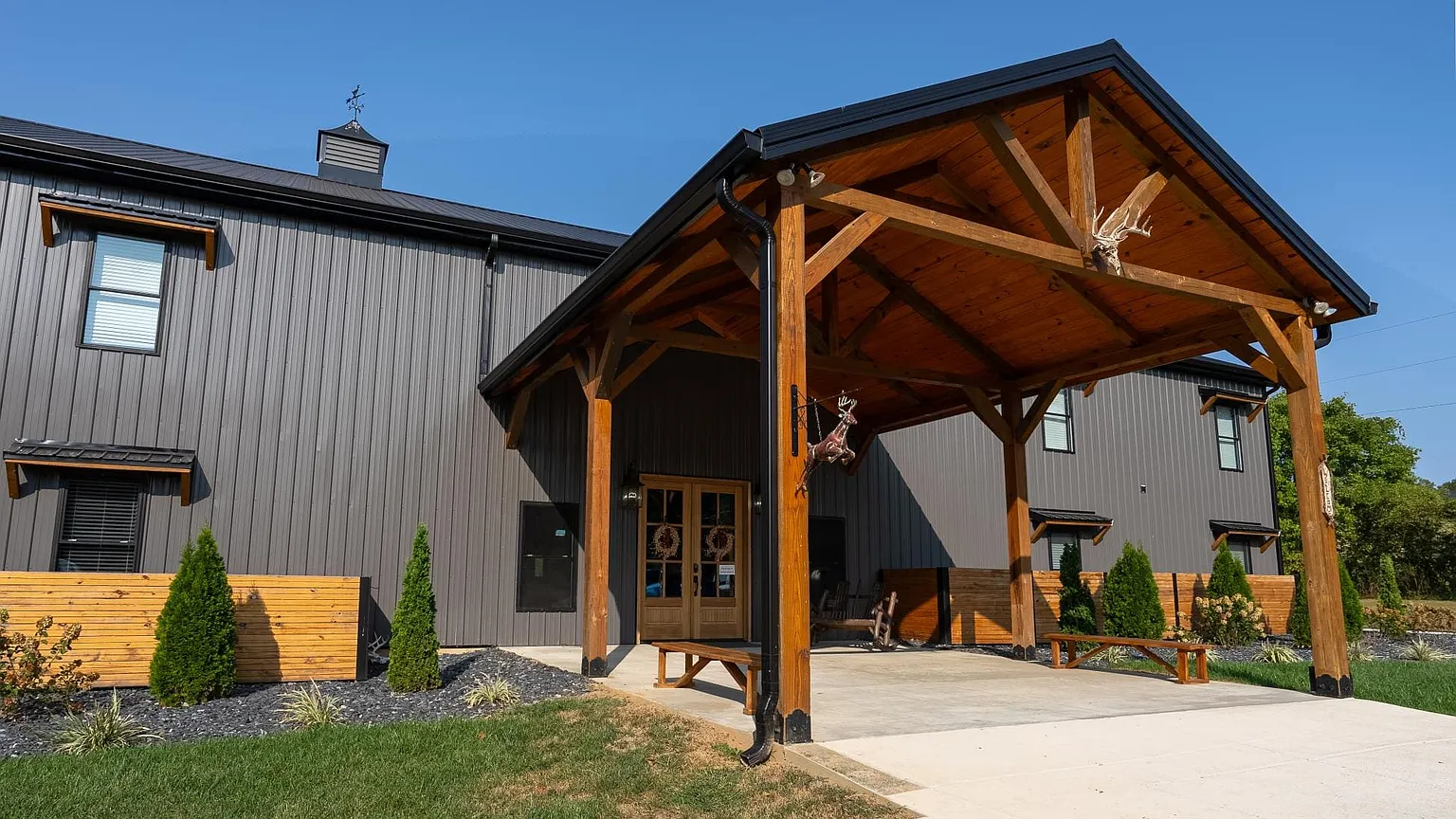
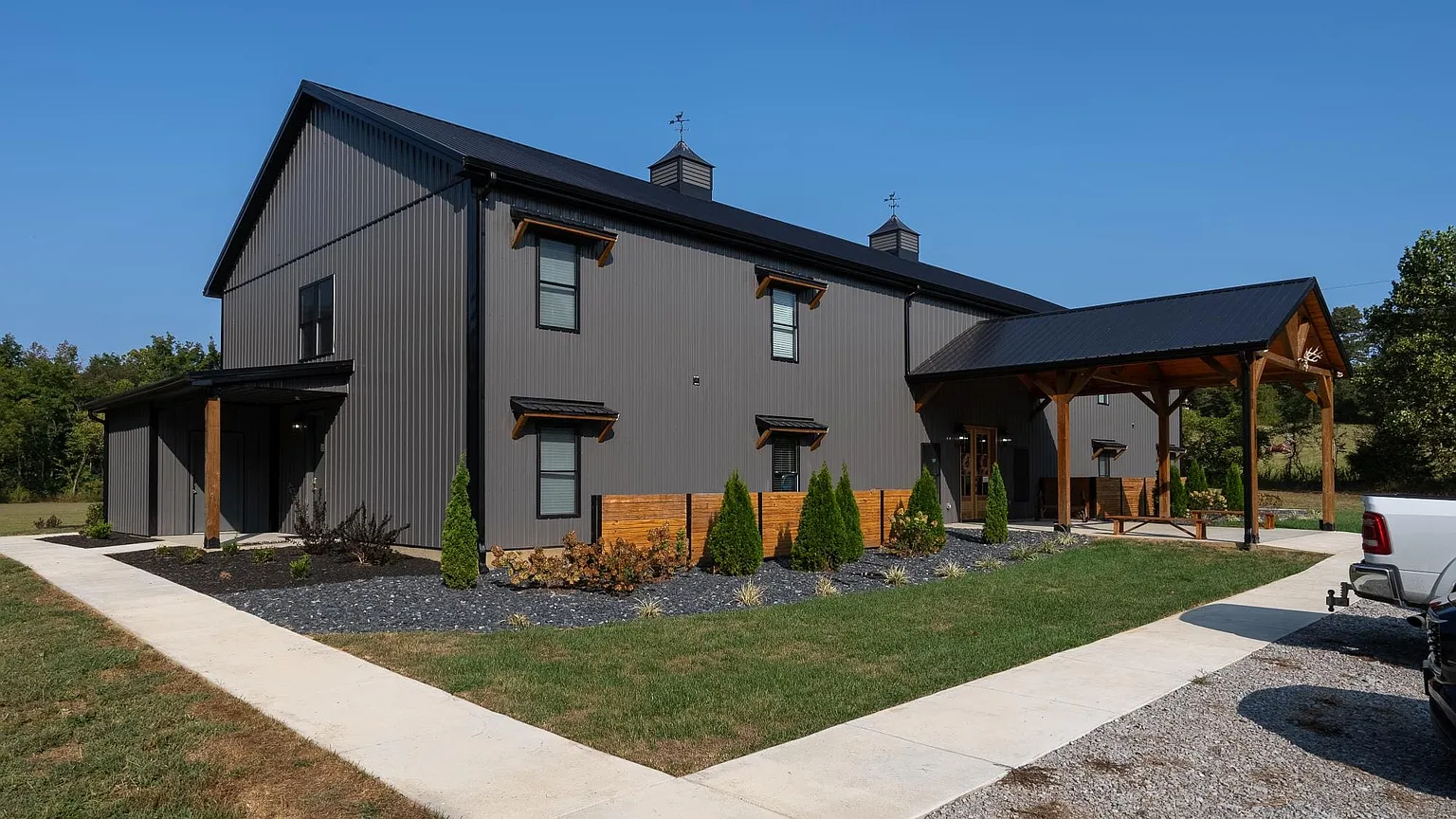
Our structured residential environment is ideal for DBT – you’re removed from triggers and relationship conflicts that typically derail progress, allowing intensive focus on skill building. To see our treatment spaces and amenities, visit our Virtual Tour page.
Beginning DBT at Kentucky Wellness Center starts with a simple phone call. When you contact our admissions team, a compassionate coordinator will listen to your concerns, answer your questions, and explain how our DBT program can address your specific struggles. We’ll verify your insurance benefits, conduct a clinical assessment, and help you prepare for admission.
Our team understands that reaching out when you’re in emotional pain takes courage – especially if past treatment experiences have been invalidating or unhelpful. We’re committed to providing a different experience from your first contact through discharge and beyond. Same-day admissions are available for clients in crisis.
Reach out to Kentucky Wellness Center today at (270) 355-7231 or visit our Contact Us page to take the first step toward building a life you don’t want to escape.
Dialectical Behavior Therapy is an evidence-based treatment combining cognitive-behavioral techniques with mindfulness practices. It teaches four core skill sets – mindfulness, distress tolerance, emotion regulation, and interpersonal effectiveness – through individual therapy and group skills training. DBT helps people manage intense emotions, reduce self-destructive behaviors, and improve relationships.
While both are cognitive-behavioral approaches, DBT was specifically designed for people with intense emotional sensitivity and self-destructive behaviors. DBT adds mindfulness training, emphasizes validation alongside change, includes skills training groups, and offers between-session phone coaching for crises. CBT focuses more on changing thought patterns, while DBT prioritizes emotion regulation and distress tolerance.
Yes, DBT is the most researched and effective treatment for borderline personality disorder. Studies consistently show it reduces self-harm, suicidal behaviors, hospitalizations, and emergency visits while improving depression, anxiety, and overall functioning. Visit our Borderline Personality Disorder page to learn more about treatment options.
Yes, Kentucky Wellness Center accepts most major insurance plans, including Aetna, Anthem, Blue Cross Blue Shield, Cigna, and UnitedHealthcare. DBT is a recognized evidence-based treatment typically covered by mental health benefits. Visit our Insurance Verification page or call (270) 355-7231 to confirm your coverage.
Following residential care, many clients continue skill development through our programs, which provides ongoing DBT skills groups and individual therapy while you live at home. Our Aftercare & Continuing Support services help maintain gains long-term, and we can connect you with DBT-informed providers in your community for continued care.