
 Skip to content
 The urge to pull your hair can feel impossible to resist, even when you desperately want to stop. You may have tried countless times to quit on your own, only to find yourself pulling again during moments of stress, boredom, or without even realizing you are doing it. The resulting hair loss brings shame, secrecy, and exhausting efforts to hide the evidence. If you are struggling with this condition, you deserve to know that effective treatment exists – and recovery is within reach. Kentucky Wellness Center offers specialized trichotillomania treatment near Kentucky, providing the expertise and compassionate support needed to break free from compulsive hair pulling.
Contact Kentucky Wellness Center today – call (270) 355-7231 or refer to our Contact Us page to learn how our evidence-based trichotillomania therapies can help you regain control and rebuild your confidence.

Hana Giambrone

Lori Humphrie

Dr. Jason Miller
Trichotillomania, also known as hair-pulling disorder, is a mental health condition characterized by recurrent, compulsive urges to pull out one’s own hair, resulting in noticeable hair loss and significant distress. People with this condition most commonly pull hair from the scalp, eyebrows, and eyelashes, though any area of the body with hair can be affected. What is trichotillomania at its core? It is classified as a body-focused repetitive behavior (BFRB) and shares features with obsessive-compulsive and related disorders.
Hair pulling may occur during focused, intentional episodes or happen automatically without full awareness – many individuals experience both patterns. The behavior often provides temporary relief from tension, anxiety, or uncomfortable sensations, creating a cycle that becomes increasingly difficult to break without professional intervention. Despite wanting desperately to stop, people with trichotillomania find that willpower alone is rarely sufficient.
Trichotillomania frequently co-occurs with other mental health conditions that complicate the clinical picture. OCD, anxiety disorders, depression, body dysmorphia, and skin-picking disorder commonly accompany hair-pulling behaviors. Comprehensive treatment for trichotillomania must address these co-occurring issues to achieve lasting improvement.





Examining or Playing With Pulled Hair
The most isolating thing about trichotillomania is the gap between how simple it sounds and how impossible it feels. People who do not have this condition assume you could just stop if you really wanted to – and the fact that you cannot, despite wanting to desperately, produces a shame that is difficult to convey to anyone who has not experienced it.
Your daily routine is organized around concealment. Hats, scarves, headbands, makeup, strategic hairstyles – whatever it takes to hide the evidence of last night’s pulling episode before you face the world. You may spend significant time each morning on this camouflage, only to spend the rest of the day worrying that it will fail – that someone will notice a thin patch, a missing eyebrow, a gap in your eyelashes. This vigilance is its own form of anxiety, running parallel to whatever else you are supposed to be focused on.
The pulling itself often happens at the margins of awareness. You may find yourself mid-episode before you realize you have started – the hand drifts to your scalp during a meeting, while reading, while watching television – and by the time you notice, the damage is already done. This automatic quality makes trichotillomania uniquely frustrating: your own body seems to work against your conscious intentions, and the resulting sense of helplessness erodes your confidence in your ability to control anything.
Treatment at Kentucky Wellness Center gives you the tools to interrupt the pulling before it starts, manage the urges that drive it, and reclaim the confidence that trichotillomania has stolen.
The exact causes of trichotillomania remain under investigation, but research points to a combination of genetic, neurological, and environmental factors. Understanding these contributing elements can reduce self-blame and guide effective treatment approaches.
Genetic predisposition plays a significant role. Studies show that trichotillomania runs in families, and individuals with close relatives who have hair-pulling disorder, OCD, or other body-focused repetitive behaviors face elevated risk. Twin studies support a hereditary component, though no single gene has been identified as responsible.
Neurobiological research suggests differences in brain structure and function among people with trichotillomania, particularly in regions involved in habit formation, impulse control, and emotional regulation. These differences may explain why the urge to pull feels so automatic and why stopping through willpower alone proves so challenging.
Environmental triggers often influence when symptoms first appear or intensify. Many people report that trichotillomania began or worsened during periods of significant stress, trauma, major life transitions, or emotional upheaval. Boredom, fatigue, and certain sensory experiences can also trigger pulling episodes. For some, the behavior develops gradually during childhood or adolescence – for others, onset occurs later in life following a stressful event.
Trichotillomania frequently coexists with conditions that share its features of compulsive behavior, impaired impulse control, and emotional regulation. Addressing these co-occurrences is critical because treating hair-pulling in isolation – without managing the conditions that fuel it – rarely produces lasting results.
OCD is the most closely related condition. Both involve repetitive behaviors driven by internal tension, and the two frequently co-occur. Body dysmorphia can develop secondarily as hair loss from pulling creates genuine appearance-related distress, and in some cases, the preoccupation with appearance precedes the pulling behavior itself.
Depression often develops as the shame and concealment associated with hair-pulling accumulate over time, eroding self-esteem and social confidence. Social isolation follows when avoidance of situations that might expose the hair loss – swimming, wind, intimate relationships – progressively narrows daily life.
Our team at Kentucky Wellness Center identifies every co-occurring condition during your assessment and constructs a plan that treats the full picture – ensuring that progress with hair-pulling is not undermined by unaddressed depression, anxiety, or compulsive behaviors targeting other areas.
Effective trichotillomania treatment requires specialized therapeutic approaches that address the unique behavioral and emotional patterns underlying this condition. General talk therapy, while valuable for many concerns, typically does not provide sufficient tools for managing body-focused repetitive behaviors.
Habit Reversal Training (HRT) is considered the first-line treatment for trichotillomania and forms a cornerstone of care at Kentucky Wellness Center. This behavioral approach involves developing awareness of pulling behaviors and their triggers, then learning to substitute competing responses – actions incompatible with hair pulling – when urges arise. Over time, this disrupts the automatic nature of the behavior and builds new patterns.
Acceptance and commitment therapy (ACT) complements HRT by helping individuals develop a different relationship with the uncomfortable urges and emotions that drive pulling. Rather than fighting these internal experiences or being controlled by them, clients learn to observe urges mindfully while choosing actions aligned with their values. This reduces the power that urges hold and supports sustained behavior change.
Holistic Therapy Modalities support recovery by promoting stress management, emotional expression, and mind-body awareness. Yoga therapy teaches alternative ways to manage tension and uncomfortable physical sensations, and art therapy provides creative outlets for processing emotions that might otherwise trigger pulling.
Regarding Levels of Care, outpatient treatment works well for many individuals with trichotillomania who have stable support systems and milder symptoms. However, residential trichotillomania treatment offers important advantages for those with severe hair pulling, multiple co-occurring conditions, or previous unsuccessful treatment attempts. The immersive environment allows for intensive skill-building, consistent application of techniques throughout the day, and removal from triggers or enabling environments that perpetuate the behavior.
Trichotillomania treatment at our facility centers on habit reversal training (HRT) – the evidence-based behavioral approach with the strongest track record for reducing hair-pulling behaviors. HRT works by building your awareness of the pulling cycle: identifying the internal sensations, emotional states, and environmental conditions that precede each episode, then training a competing response that interrupts the behavior before it completes.
Your therapist will map your pulling patterns in detail – when it happens, where on your body, what you are doing, and what you are feeling. This awareness training is the foundation, because many pulling episodes occur automatically, and you cannot change a behavior you do not notice happening. Once awareness is established, you learn and practice physical competing responses that are incompatible with pulling – movements that occupy your hands and satisfy the sensory urge without producing damage.
Patients in our residential mental health treatment program can practice these skills throughout the day, in the actual moments when urges arise – during evening downtime, while watching television, during periods of boredom or stress. This real-time practice is far more effective than rehearsing strategies in a weekly therapy session and hoping they transfer to daily life. Stimulus control techniques – modifying your environment to reduce triggers – are also integrated into your daily routine. Our aftercare and continuing support program provides structured follow-up that helps you maintain the behavioral gains you make here as you return to your everyday environment.
The duration of treatment for trichotillomania depends on symptom severity, how long the behavior has been present, co-occurring conditions, and individual response to therapeutic interventions. Because trichotillomania often develops over many years and becomes deeply ingrained, treatment focuses on building sustainable skills rather than achieving quick fixes.
Many individuals begin noticing meaningful reductions in pulling frequency and intensity within four to eight weeks of consistent treatment as they develop awareness of their patterns and practice competing response techniques. This initial progress can be highly motivating and reinforces continued engagement with treatment.
Achieving lasting change typically requires several months of dedicated therapeutic work. Learning how to stop trichotillomania involves not just reducing current pulling but also building robust relapse prevention skills, addressing underlying emotional triggers, and developing alternative coping strategies. Your treatment team will monitor your progress and adjust approaches as needed to support sustained recovery.
Trichotillomania requires therapists with specific training in body-focused repetitive behaviors - not all mental health providers have this expertise. Our clinical team includes trichotillomania therapists who understand the unique challenges of this condition and utilize proven interventions like Habit Reversal Training and ACT.
Many people with trichotillomania have never told anyone about their pulling due to intense shame. Our facility provides a compassionate, non-judgmental space where you can speak openly about your experiences for perhaps the first time. Understanding and acceptance are foundational to our approach.
Discovering others who share your struggle can be transformative. Group therapy connects you with individuals who truly understand what you are going through, reducing isolation and providing opportunities to learn from others' experiences and successes.

Accessing specialized care for trichotillomania can be challenging, as many general mental health providers lack training in body-focused repetitive behaviors. Kentucky Wellness Center in Kentucky offers the expertise needed for effective trichotillomania disorder treatment, welcoming individuals from throughout Kentucky and surrounding states.
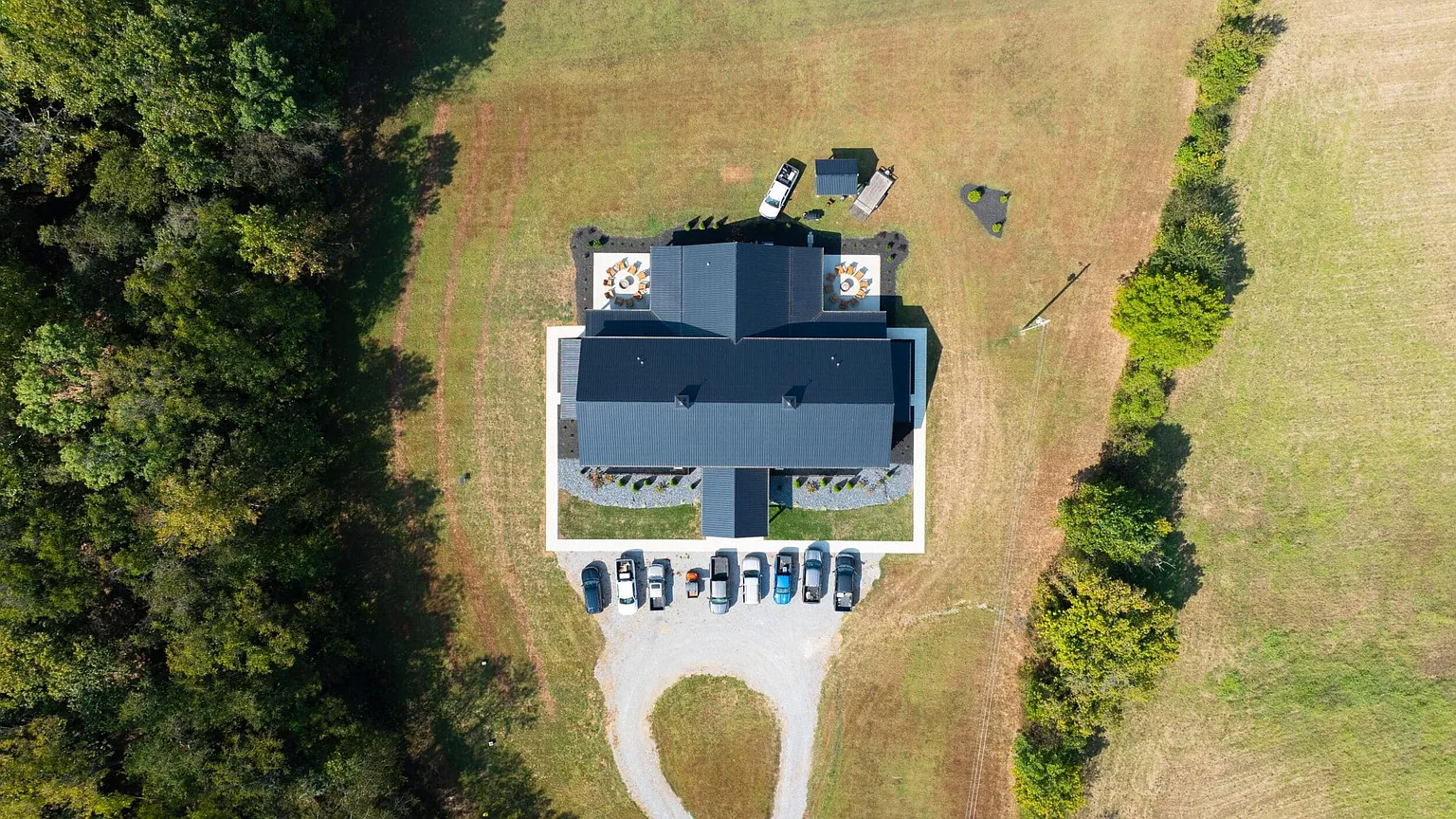
The map below provides directions to our facility. You can also explore our campus and treatment spaces before your first visit by taking our Virtual Tour.
Living with trichotillomania often means living with secrets – hiding bald patches, avoiding swimming or windy days, making excuses for missing eyebrows or eyelashes. The constant vigilance is exhausting, and the shame can feel unbearable. But you do not have to keep struggling alone, and you do not have to accept hair pulling as an unchangeable part of your life.
If you are searching for trichotillomania treatment near me in Kentucky, Kentucky Wellness Center provides the specialized, evidence-based care needed to help you break free from compulsive pulling. Our team understands this condition deeply and will work alongside you with patience, expertise, and genuine compassion.
Reach out to Kentucky Wellness Center at (270) 355-7231 or visit our Contact Us page to schedule a confidential assessment and learn how our trichotillomania therapies can help you regain control.
Trichotillomania symptoms include recurrent, compulsive hair pulling resulting in noticeable hair loss, repeated unsuccessful attempts to stop or reduce pulling, and significant distress or impairment caused by the behavior. Many individuals experience tension before pulling or when trying to resist, followed by relief or gratification afterward. Some people pull with full awareness while others do so automatically.
Yes, we work with most major insurance providers to make trichotillomania treatment accessible. Our admissions team will verify your benefits and explain your coverage options before treatment begins. Visit our Insurance Verification page or call (270) 355-7231 for a confidential benefits check.
Kentucky Wellness Center offers evidence-based trichotillomania therapies, including acceptance and commitment therapy (ACT) and cognitive behavioral therapy (CBT). These approaches address the behavioral patterns, urges, and thoughts that maintain hair-pulling. Holistic modalities like yoga therapy, meditation therapy, and art therapy provide additional tools for managing stress and emotions.
Absolutely. Trichotillomania commonly co-occurs with OCD, anxiety disorders, depression, body dysmorphia, and other conditions. Our integrated treatment model addresses all co-occurring issues simultaneously, recognizing that untreated conditions can undermine progress with hair-pulling. Visit our What We Treat page to learn more about the full range of conditions we address.
Many individuals achieve long-term remission through treatment, maintaining minimal or no pulling behavior for extended periods. However, like other compulsive conditions, trichotillomania can recur during periods of heightened stress. The skills you develop in treatment – awareness, competing responses, emotional regulation – serve as lifelong tools that allow you to manage urges when they resurface.
Trichotillomania is classified alongside OCD in the DSM-5 under “Obsessive-Compulsive and Related Disorders.” Both involve repetitive behaviors driven by internal tension, but the mechanisms differ – OCD compulsions are performed to neutralize specific obsessive thoughts, while hair-pulling is often driven by sensory urges or emotional regulation needs. The distinction matters for treatment planning, and our team evaluates for both.
Trichotillomania involves neurological differences in the brain regions responsible for habit formation, impulse control, and emotional regulation. The urge to pull is not a matter of willpower – it is driven by brain circuitry that responds to specialized behavioral treatment, not self-discipline alone. Understanding this can reduce the self-blame that often accompanies the condition.