Skip to content





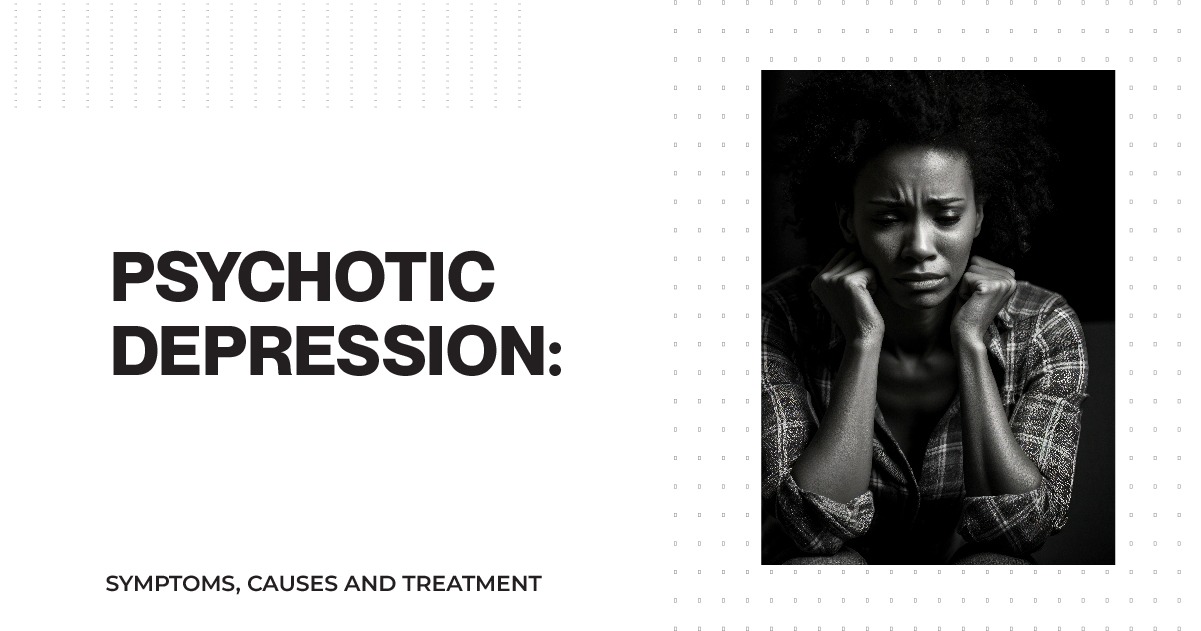
Depression affects millions of individuals worldwide, but some experience a particularly severe form that includes breaks from reality. Psychotic depression, also known as major depressive disorder with psychotic features, combines the debilitating symptoms of severe depression with psychotic symptoms, including delusions and hallucinations. Understanding this condition helps affected individuals and families recognize symptoms and seek appropriate treatment.
Major depressive disorder with psychotic features represents one of the most serious forms of depression, carrying elevated risks for hospitalization, functional impairment, and suicide. Despite its severity, this condition often goes unrecognized because individuals may hide psychotic symptoms out of shame or fear, or because the psychotic features manifest subtly. Proper diagnosis proves essential for effective treatment.
The presence of psychotic symptoms in depression significantly impacts treatment approaches, prognosis, and recovery trajectories. Unlike non-psychotic depression that may respond to antidepressants alone, psychotic depression typically requires combination treatment strategies. Recognizing when depression has crossed into psychotic territory enables appropriate intervention that can dramatically improve outcomes.
Differentiating Delusional Depression From Other Mood Disorders
Delusional depression involves fixed false beliefs occurring within the context of severe depressive episodes, distinguishing it from other mood disorders and primary psychotic conditions. These delusions typically carry themes consistent with depressive mood, including beliefs about guilt, worthlessness, illness, or deserved punishment. Accurate differentiation enables appropriate treatment selection.
The distinction between delusional depression and other conditions has important treatment implications. While schizophrenia requires ongoing antipsychotic treatment, psychotic depression often responds to time-limited combination therapy with medications potentially tapered after recovery. Bipolar disorder with psychotic features requires mood stabilizers as treatment foundations, differing from unipolar psychotic depression approaches.
Key factors distinguishing delusional depression include:
- Temporal relationship between mood and psychotic symptoms
- Mood-congruent nature of delusional content
- Absence of psychotic symptoms between depressive episodes
- Family history patterns suggesting mood versus psychotic disorders
- Response patterns to various medication classes
- Longitudinal course and episode characteristics
| Feature | Psychotic Depression | Schizophrenia | Bipolar With Psychosis |
| Primary Symptom | Severe depression | Psychotic symptoms | Mood cycling |
| Delusion Content | Mood-congruent | Variable, often bizarre | Mood-congruent |
| Psychosis Timing | Only during depression | Persistent | During mood episodes |
| Course | Episodic with recovery | Chronic | Episodic, cycling |
| Treatment Focus | Antidepressants + antipsychotics | Antipsychotics | Mood stabilizers |
| Prognosis | Good with treatment | Variable | Variable |
Recognizing Hallucinations in Depression
Hallucinations in depression occur less frequently than delusions but carry significant diagnostic and prognostic implications when present. These sensory experiences without external stimuli most commonly involve auditory hallucinations, though visual, tactile, and other modalities may occur. Recognizing hallucinations in depression requires careful assessment, as individuals often hesitate to report these experiences.

The content of hallucinations in depression typically aligns with depressive themes, distinguishing them from hallucinations in primary psychotic disorders. Depressed individuals may hear voices criticizing them, confirming their worthlessness, or encouraging self-harm. These mood-congruent hallucinations reinforce the depressive experience and increase suicide risk substantially.
Signs that may indicate hallucinations in depression include:
- Appearing to respond to unseen stimuli
- Reporting voices or visions spontaneously
- Expressing beliefs based on hallucinatory experiences
- Increased agitation or distress without apparent cause
- Covering ears or avoiding certain locations
- Deterioration in functioning beyond expected from depression alone
Understanding Mood Disorder With Psychotic Features
Mood disorder with psychotic features encompasses both unipolar depression and bipolar disorder when accompanied by delusions or hallucinations during mood episodes. This broader category recognizes that psychotic symptoms can complicate various mood conditions, requiring modifications to standard treatment approaches. Understanding these presentations improves diagnostic accuracy and treatment outcomes.
The experience of severe depression with psychosis differs qualitatively from non-psychotic depression. Beyond the additional burden of reality disturbance, psychotic features often indicate greater severity, longer episodes, and higher recurrence risk. Individuals may lose insight into the nature of their illness, complicating treatment engagement and increasing risk for harmful behaviors based on delusional beliefs.
| Symptom Domain | Non-Psychotic Depression | Psychotic Depression |
| Mood | Depressed, sad, empty | Severely depressed, often with agitation |
| Thinking | Negative, self-critical | Delusional beliefs, often of guilt or illness |
| Perception | Normal | May include hallucinations |
| Insight | Usually preserved | Often impaired |
| Functioning | Impaired | Severely impaired |
| Suicide Risk | Elevated | Highly elevated |
| Treatment Response | Often responds to antidepressants | Requires combination therapy |
| Hospitalization | Sometimes needed | Frequently needed |
Addressing Treatment-Resistant Depression
Treatment-resistant depression describes depression that fails to respond adequately to multiple appropriate treatment trials, representing a significant clinical challenge. When treatment resistance occurs alongside psychotic symptoms, complexity increases substantially. Addressing treatment-resistant depression requires a systematic evaluation of potential contributing factors and consideration of advanced treatment options.
Factors that may contribute to treatment resistance include:
- Unrecognized psychotic features requiring antipsychotic addition
- Inadequate medication doses or treatment duration
- Co-occurring medical conditions affecting treatment response
- Substance use is interfering with medication effectiveness
- Incorrect diagnosis requiring a different treatment approach
- Psychosocial stressors maintain depressive symptoms
Treatment-resistant depression with psychotic features may require electroconvulsive therapy, which demonstrates particular effectiveness for this presentation. Other options include medication optimization, augmentation strategies, and emerging treatments. The key lies in comprehensive reassessment rather than simply adding medications without a clear rationale.
Approaches for Severe Depression With Psychosis
Severe depression with psychosis demands intensive, multimodal treatment approaches addressing both mood and psychotic symptoms. Initial treatment often occurs in hospital settings where safety can be ensured and rapid medication adjustments made. The severity of this condition justifies aggressive intervention aimed at achieving remission as quickly as possible.
Treatment approaches for severe depression with psychosis include pharmacotherapy combining antidepressants and antipsychotics, electroconvulsive therapy when rapid response is needed or medication trials have failed, psychotherapy once stability allows engagement, and psychosocial support for the individual and family. The specific combination depends on individual factors, severity, and treatment history.
Electroconvulsive therapy holds particular importance for severe depression with psychosis, often producing faster and more complete responses than medication alone. Despite persistent stigma, modern ECT is safe and effective, particularly for medication-resistant presentations or when rapid response is clinically necessary.
Combining Antidepressants and Antipsychotics for Effective Treatment
The combination of antidepressants and antipsychotics represents the standard pharmacological approach for psychotic depression, with research consistently demonstrating superiority over either medication class alone. Understanding how these medications work together helps patients and families appreciate the rationale for combination therapy and maintain adherence despite the burden of multiple medications.

Effective combination strategies typically involve:
- Selecting antidepressants based on symptom profile and tolerability
- Adding antipsychotics at doses appropriate for depression augmentation
- Monitoring for side effects from both medication classes
- Adjusting doses based on response and tolerability
- Considering the duration of antipsychotic treatment after remission
- Planning for potential tapering after sustained recovery
The duration of antipsychotic treatment following remission remains an area of ongoing clinical discussion. Some evidence supports gradual tapering after sustained recovery, while other data suggest continued treatment may prevent relapse. Individual factors, including episode severity, history and patient preference guide these decisions.
Lighting the Path Forward: Future Directions in Treatment
Psychotic depression represents a serious but treatable condition that requires accurate recognition and appropriate intervention. The combination of severe mood disturbance with reality impairment creates substantial suffering and risk, but evidence-based treatments offer genuine hope for recovery. Understanding the unique aspects of this condition empowers patients and families to advocate for appropriate care.
The future of treatment for severe depression with psychosis includes promising developments in more targeted medications, refined use of neuromodulation therapies and improved strategies for preventing recurrence. Ongoing research continues expanding options for those who do not respond adequately to current treatments.
If you or someone you love experiences symptoms of psychotic depression, specialized psychiatric care can make a profound difference in recovery. Kentucky Wellness Center provides comprehensive mental health services, including evidence-based treatment for severe depression with psychotic features.
FAQs
1. What distinguishes delusional depression from other mood disorders, and how can it impact treatment strategies?
Delusional depression is distinguished by the presence of fixed false beliefs, typically with mood-congruent themes of guilt, worthlessness or illness, occurring within severe depressive episodes. This impacts treatment strategies by requiring combination therapy with both antidepressants and antipsychotics rather than antidepressants alone. Accurate identification also helps differentiate from conditions like schizophrenia or bipolar disorder that require different primary treatments.
2. How are hallucinations in depression identified, and what role do they play in diagnosing major depressive disorder with psychotic features?
Hallucinations in depression are identified through careful clinical assessment, as patients often hide these experiences due to shame or fear of being considered “crazy.” Their presence, typically involving mood-congruent content like critical voices, confirms the diagnosis of major depressive disorder with psychotic features rather than non-psychotic depression. This identification is crucial because it indicates the need for antipsychotic medication and suggests elevated suicide risk requiring closer monitoring.
3. In what ways does a mood disorder with psychotic features differ from major depressive disorder without psychotic symptoms?
Mood disorder with psychotic features differs in the presence of delusions and/or hallucinations, typically more severe overall symptom presentation, greater functional impairment, and higher suicide risk. Treatment differs substantially, requiring combination pharmacotherapy rather than antidepressants alone, and often necessitating hospitalization for safety. Prognosis also differs, with psychotic episodes often taking longer to resolve but responding well to appropriate treatment.
4. What are the challenges and potential solutions in addressing treatment-resistant depression, especially when accompanied by psychosis?
Challenges include determining whether psychotic features have been adequately addressed, optimizing medication combinations, and managing side effects from multiple medications. Potential solutions include systematic reassessment for unrecognized psychotic symptoms, electroconvulsive therapy, which shows particular effectiveness for psychotic depression, careful medication optimization, and consideration of emerging treatments when standard approaches fail.
5. How can combining antidepressants and antipsychotics benefit those suffering from severe depression with psychosis?
Combining antidepressants and antipsychotics benefits patients by addressing both the mood and psychotic components of their illness, with research consistently showing superior outcomes compared to either medication class alone. Antidepressants target the depressive symptoms while antipsychotics reduce delusions and hallucinations, together achieving remission more reliably and quickly. This combination approach has become the standard of care based on substantial evidence of its effectiveness.