Skip to content





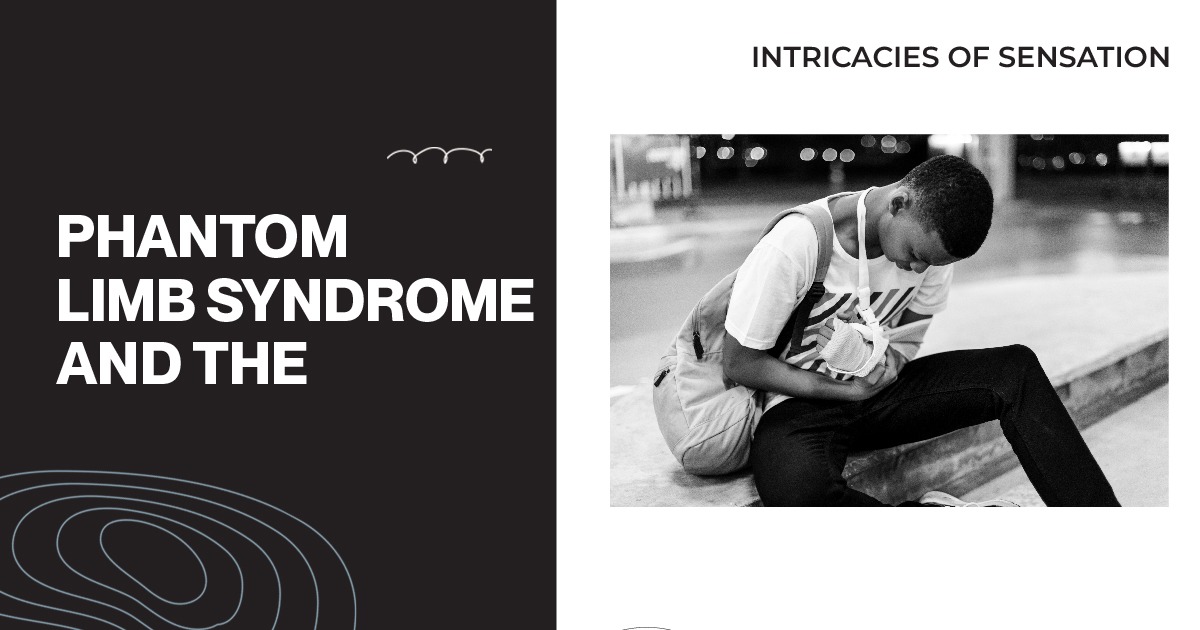
The human brain possesses remarkable capabilities for perceiving and interpreting bodily sensations, even when the physical structures that originally generated those sensations no longer exist. Phantom limb syndrome represents one of the most fascinating and challenging phenomena in neuroscience and rehabilitation medicine, affecting the majority of individuals who undergo limb amputation. Understanding this complex condition provides insight into both the remarkable adaptability and the persistent patterns of the human nervous system.
Phantom pain and limb sensation affect an estimated 80 percent of amputees at some point following their surgery, creating experiences that range from mild tingling to severe, debilitating pain. These sensations feel completely real to the individual experiencing them, despite originating from a limb that no longer exists. The disconnect between physical reality and perceptual experience highlights the brain’s central role in constructing our sense of embodiment.
The study of phantom limb syndrome has contributed enormously to scientific understanding of sensory perception, neural pathways, and brain plasticity. What was once dismissed as psychological or imaginary is now recognized as a legitimate neurological phenomenon with identifiable mechanisms and increasingly effective treatments. This knowledge benefits not only amputees but also advances our broader understanding of how the brain creates conscious experience.
Understanding Amputee Experience and Residual Limb Sensations
The amputee experience encompasses a wide range of physical and psychological adjustments following limb loss. Beyond the obvious physical changes, individuals must adapt to altered body image, modified movement patterns, and often unexpected sensations from both the residual limb and the missing portion. These experiences vary considerably between individuals based on factors including amputation cause, level, and individual neurological differences.

Residual limb sensations include both normal healing-related experiences and phantom phenomena that can persist indefinitely. The surgical site itself generates expected sensations during recovery, but many amputees also experience sensations that seem to originate from beyond the amputation site. These phantom experiences demonstrate that our sense of body extends beyond physical tissue to include neural representations maintained in the brain.
Common aspects of the amputee experience include:
- Sensations of the missing limb’s continued presence
- Feelings of movement in the phantom limb
- Temperature sensations in the absent portion
- Itching or tingling in non-existent areas
- Perception that the phantom limb occupies specific positions
- Painful sensations ranging from cramping to burning
| Sensation Type | Description | Prevalence |
| Phantom Limb Awareness | Sense of limb’s continued presence without pain | Very common |
| Phantom Movement | Feeling of voluntary or involuntary limb movement | Common |
| Phantom Pain | Painful sensations in missing limb | 60-80% of amputees |
| Telescoping | Sensation of phantom gradually shortening over time | Common in long-term |
| Phantom Temperature | Hot or cold sensations in absent limb | Moderate |
| Phantom Touch | Feeling of pressure or contact on missing limb | Moderate |
The Role of Neural Pathways in Phantom Limb Sensation
Neural pathways established during limb development and use persist following amputation, continuing to represent the missing limb within the brain’s body map. These pathways, refined through years of sensory input and motor output, do not simply disappear when their peripheral targets are removed. Understanding how neural pathways contribute to phantom limb syndrome reveals the deeply embedded nature of body representation in the nervous system.
The brain maintains organized maps of the body’s surface in areas called the somatosensory and motor cortices. Each body region corresponds to specific cortical territories that process incoming sensations and generate outgoing movement commands. When amputation removes a limb, the cortical territory previously devoted to that limb remains, initially continuing to generate sensations associated with the absent structure.
Neural pathway contributions to phantom sensations involve both peripheral and central mechanisms. Severed nerves at the amputation site may form neuromas that generate abnormal signals, while spinal cord and brain structures may develop altered activity patterns. The interaction between these levels creates the complex perceptual experiences that characterize phantom limb syndrome.
Sensory Perception and Brain Plasticity in Amputees
Brain plasticity refers to the nervous system’s capacity to reorganize in response to changed circumstances, including limb loss. Following amputation, the brain undergoes significant reorganization as territories previously devoted to the missing limb are gradually invaded by neighboring regions. This plasticity, while often adaptive, may also contribute to phantom pain development.
Sensory perception in amputees reflects both preserved and reorganized neural processing. The cortical map of the body does not remain static but changes over time following amputation. Adjacent body regions may expand their cortical representation into the deafferented territory, creating unusual perceptual experiences where touching certain areas triggers sensations seemingly located in the phantom limb.
| Time Period | Neural Changes | Perceptual Effects |
| Immediate | Preserved original maps, acute nerve signals | Vivid phantom sensations |
| Weeks | Beginning cortical reorganization | Changing phantom perceptions |
| Months | Significant map reorganization | Possible referred sensations |
| Years | Stabilized new organization | Often reduced but persistent phantoms |
The relationship between brain plasticity and phantom pain remains an active research area. Some studies suggest that greater cortical reorganization correlates with more intense phantom pain, while others indicate more complex relationships. Understanding these dynamics informs treatment approaches targeting brain plasticity to reduce pain.
How Nerve Signals Influence Phantom Pain
Nerve signals from the residual limb play significant roles in generating and modulating phantom pain experiences. Following amputation, severed nerves may develop abnormal firing patterns, sending signals that the brain interprets as originating from the missing limb. These aberrant nerve signals contribute to the sensory experiences that characterize phantom limb syndrome.
The mechanisms by which nerve signals influence phantom pain include:
- Neuroma formation where severed nerves develop tangled growths
- Spontaneous firing of damaged nerve fibers
- Abnormal sensitivity to mechanical and chemical stimuli
- Altered communication between peripheral nerves and spinal cord
- Changes in ion channel expression affecting nerve excitability
- Cross-talk between adjacent nerve fibers

The interplay between peripheral nerve signals and central nervous system processing creates the full phantom pain experience. While peripheral factors initiate and modulate sensations, central mechanisms, including spinal cord sensitization and cortical processing, shape the ultimate perceptual experience.
The Connection Between Residual Limb and the Brain
The residual limb maintains crucial connections to the brain through remaining neural pathways, creating a dynamic relationship that influences phantom experiences. Sensory input from the residual limb affects phantom sensations, while the brain’s representation of the absent limb influences how residual limb sensations are processed. This bidirectional relationship has important implications for treatment approaches.
The connection between the residual limb and the brain involves continuous neural communication that shapes phantom experiences. Covering or uncovering the residual limb, temperature changes, and mechanical pressure can all modify phantom sensations. This responsiveness demonstrates that phantom experiences, while centrally generated, remain influenced by ongoing peripheral input.
Advancements in Addressing Phantom Pain in Amputees
Significant advancements in addressing phantom pain have emerged from improved understanding of the underlying mechanisms. Treatment approaches now target multiple levels of the nervous system, from peripheral nerve management to brain-based interventions. These advances offer meaningful relief for many individuals previously told nothing could be done for their phantom pain.
Current approaches to phantom pain management include:
- Mirror therapy utilizing visual feedback to update brain maps
- Targeted muscle reinnervation surgery reducing neuroma pain
- Transcutaneous electrical nerve stimulation modulating nerve signals
- Virtual reality interventions providing immersive body representation
- Medications targeting neuropathic pain mechanisms
- Graded motor imagery programs retraining brain representations
Emerging technologies, including brain-computer interfaces and sensory-enabled prosthetics, offer promising future directions. These approaches aim to provide the brain with meaningful input that may reduce phantom pain while improving prosthetic function and embodiment.
Finding Wellness in Every Step: Your Path to Comprehensive Care
Understanding phantom limb syndrome empowers individuals and families facing amputation to navigate this challenging experience with realistic expectations and hope for effective management. While phantom sensations and pain affect most amputees, the growing array of treatment options means suffering is not inevitable. Comprehensive care addressing both physical and psychological aspects of the amputee experience produces the best outcomes.
Recovery from amputation and management of phantom pain benefit from multidisciplinary support addressing all dimensions of health and well-being. Kentucky Wellness Center provides integrated treatment services supporting individuals through complex health challenges, including pain management and rehabilitation. Contact Kentucky Wellness Center today to learn how comprehensive care can support your journey toward optimal wellness and quality of life.
FAQs
1. What causes phantom pain in amputees, and how do neural pathways contribute to it?
Phantom pain results from complex interactions between peripheral nerve signals and central nervous system processing following amputation. Neural pathways established during limb development persist after amputation, continuing to represent the missing limb within cortical body maps. These preserved pathways can generate pain sensations when stimulated by abnormal nerve signals from neuromas or through spontaneous activity in the brain and spinal cord.
2. How does brain plasticity affect sensory perception in individuals with phantom limb sensations?
Brain plasticity causes the cortical territories previously devoted to the missing limb to undergo reorganization, with neighboring body regions gradually expanding into this neural real estate. This reorganization can create referred sensations where touching certain body areas triggers feelings seemingly located in the phantom limb. The degree and pattern of plasticity may influence phantom pain intensity and character.
3. What role do nerve signals play in the experience of phantom pain and limb sensation for amputees?
Nerve signals from the residual limb significantly influence phantom experiences through mechanisms including neuroma formation, spontaneous firing of damaged fibers, and altered sensitivity to stimuli. These peripheral signals interact with central nervous system processing to create the full perceptual experience. Modulating these nerve signals through various treatments can reduce phantom pain intensity.
4. How is the residual limb connected to phantom sensations in the brain?
The residual limb maintains neural connections to brain regions that previously processed input from the entire limb, creating ongoing communication that influences phantom experiences. Sensory input from the residual limb can modify phantom sensations, while brain-generated phantom experiences affect how residual limb sensations are processed. This bidirectional relationship is leveraged in treatments like mirror therapy.
5. What advancements have been made in addressing phantom pain in the amputee experience?
Significant advancements include mirror therapy utilizing visual feedback to update brain maps, targeted muscle reinnervation surgery, virtual reality interventions and graded motor imagery programs. Emerging technologies like sensory-enabled prosthetics and brain-computer interfaces offer promising future directions. These approaches target multiple nervous system levels, providing meaningful relief for many individuals with phantom pain.