
 Skip to content
 It can be hard to learn you have a dissociative disorder especially if you have never had any mental health problems in the past or you are not aware of how a condition of this sort can change your life. If you are looking for treatment for dissociative disorder near Kentucky, you should schedule a consultation with our team of therapists and psychiatrists. We will educate you on different types of dissociative disorders and offer you intensive, supportive care catered to your needs and preferences.
Get in touch with Kentucky Wellness Center by calling (270) 355-7231 or visiting our Contact Us page – take a step towards lasting wellness and emotional balance.

Hana Giambrone

Lori Humphrie

Dr. Jason Miller
A dissociative disorder refers to a serious mental health condition that manifests in involuntary disconnection from one’s feelings, memories, thoughts, identity, or surrounding objects. There may be a disruption in consciousness, random and unexplainable memory loss that the individual does not even register at first, and a strong feeling of detachment from one’s body and mind.
Traumatic events that cause dissociative disorders in the majority of cases keep haunting the person with intrusive memories and vivid flashbacks during the day and night, and dissociation becomes something of a coping mechanism that the individual relies on without even realizing it.
Unfortunately, a dissociative disorder may be just one of the problems the person has to tackle – its manifestations often overlap with anxiety disorders, borderline personality disorder (BPD), and anorexia nervosa. If you are suffering from co-occurring mental health conditions, it is crucial to take them into account when dissociative disorder specialists map out a treatment plan for you – talk to your therapist about the benefits of integrated care.






These alters have different memories, feelings, and behavioral patterns, which can be evident to other people and cause significant gaps in memory and detachment from oneself and reality.
Some people perceive their words and behaviors as outside observers, while others see their surroundings as something unreal and dreamlike.
The most disorienting thing about living with a dissociative disorder is the gaps – not just in memory, but in your sense of continuity as a person. You may find evidence of conversations you do not remember having, discover purchases you cannot account for, or arrive at a location with no recollection of how you got there. These are not the ordinary lapses everyone experiences. They are ruptures in the basic narrative of your life, and the cumulative effect is a persistent feeling that you cannot trust your own mind.
This uncertainty erodes everything it touches. Relationships suffer because the people around you witness inconsistencies you cannot explain, and the fear of being exposed as unreliable or dishonest drives you to withdraw rather than risk confusion you cannot account for. Work becomes precarious when you cannot guarantee that you will be fully present or remember what happened during a meeting or a shift. The social isolation that follows is not a choice – it is the logical result of not knowing whether you can show up as the same person from one hour to the next.
What makes dissociation especially difficult to address on your own is that it was originally protective. The brain learned to disconnect during experiences that were too overwhelming to process – and now that same mechanism activates in situations that no longer require it, leaving you cut off from emotions, memories, and relationships you genuinely want to engage with. Depression often develops alongside dissociative disorders, because the emotional numbing and lost time create a sense of helplessness that deepens over months and years without treatment.
Treatment at Kentucky Wellness Center helps you rebuild the continuity that dissociation has disrupted – reconnecting you with memories, emotions, and a stable sense of self that the disorder has fragmented.
In most instances, dissociation and dissociative disorder occur as a result of severe trauma. These traumatic experiences usually take place in childhood but adolescents and adults can also develop a dissociative disorder as a coping mechanism that lets them deal with distressing events. Emotional or physical abuse that lasts for a long time, exposure to military conflicts or torture, and invasive medical procedures often lead to the condition in question.
While it is hard to prevent disturbing and traumatic events, there are things you can do to minimize the impact of dissociative disorders on your life. Seek professional guidance as soon as you exhibit the first symptoms of the condition, learn to avoid triggers that force you to have dissociative episodes, practice stress management, and rely on family and friends who will provide you with consistent emotional support.
Dissociative disorders rarely exist in isolation. The traumatic experiences that produce dissociation typically cause damage across multiple psychological systems, and the resulting conditions interact in ways that require integrated treatment to resolve.
PTSD is among the most common co-occurrences – the intrusive memories, hypervigilance, and avoidance that define PTSD frequently coexist with the dissociative defenses the brain developed to manage those same traumatic experiences. Self-harm may develop as an attempt to interrupt dissociative episodes or to feel something when emotional numbness becomes unbearable, making ongoing safety assessment an essential component of treatment.
Mood disorders interact with dissociation in complex ways – depressive episodes deepen the emotional flatness that dissociation already produces, and the resulting hopelessness can make it harder to engage with the therapeutic process. Eating disorders also co-occur at elevated rates, particularly when the dissociative disorder developed in response to childhood trauma involving bodily violation or loss of physical autonomy – disordered eating may function as another attempt to regain control over a body the person feels disconnected from.
At Kentucky Wellness Center, our team identifies co-occurring conditions during your evaluation and builds a treatment plan that addresses the full clinical picture rather than treating each condition as a separate problem.
There are different dissociative disorder treatment options in Kentucky – you and your therapist will discuss what Therapy Modalities can become key components of your treatment plan. Cognitive behavioral therapy (CBT) will help you understand the link between your thoughts and behaviors while psychodynamic therapy sessions are recommended to patients who want to explore the underlying causes of their condition and process trauma. Acceptance & commitment therapy (ACT) can be a valuable tool also – accept your emotions and thoughts without trying to change them, develop mindfulness to stay in the present, and commit to actions that are aligned with the values you determine for yourself.
Once you are diagnosed with a dissociative disorder, you can pick how intensive your treatment will be. Residential care is recommended to individuals who cannot manage their symptoms on their own and may pose a threat to themselves or others. You can recover in an outpatient setting in case your dissociative disorder does not severely impact your daily functioning. When you choose between different Levels of Care, remember that you do not have to commit to a specific treatment program for months – you may switch from intensive treatment to less intensive and vice versa based on your progress.
Dissociative disorder treatment at our facility follows a phase-oriented model that prioritizes safety and stabilization before moving into deeper processing work. This sequencing matters – attempting to process traumatic memories before you have the grounding skills and emotional regulation capacity to tolerate that work can trigger destabilizing dissociative episodes rather than resolve them.
The first phase focuses on building safety. You will develop grounding techniques that help you stay present when dissociation begins, learn to recognize early warning signs that an episode is approaching, and establish the internal stability needed to engage with more intensive therapeutic work. EMDR therapy may be introduced once stabilization is achieved, allowing you to process the traumatic memories that drive dissociation without becoming overwhelmed by them.
Patients in our residential mental health treatment program benefit from the structured, consistent environment that dissociative disorder recovery demands. The predictable daily rhythm – consistent mealtimes, sleep schedules, and therapeutic sessions – provides the external stability that helps regulate a nervous system conditioned to expect unpredictability. Family therapy can be incorporated for patients whose family dynamics contribute to dissociative triggers, helping loved ones understand the condition and participate constructively in recovery. Our aftercare and continuing support program ensures the grounding skills and coping strategies you develop here continue to strengthen after you leave.
Dissociative disorder treatment duration depends on the longevity and severity of a patient’s symptoms – it is difficult to say how much time someone needs to devote to their recovery until their treatment comes to an end. Nevertheless, most patients can see improvement after four to eight weeks of intensive treatment as long as they adhere to the instructions of their therapist.
You can speed up the process of healing if you practice self-care and utilize grounding techniques before, during, and after dissociative episodes – find inspiration and motivation in holistic therapy modalities like yoga therapy and art therapy, and incorporate simple techniques into your daily routine.
Our team of licensed therapists and psychiatrists is not afraid of a challenge - we have already helped numerous people reduce the severity of their symptoms and improve their ability to function and handle their daily obligations with ease and purpose.
There is no point in using the same therapeutic practices and techniques to help patients whose backgrounds and symptoms are different. You will undergo a thorough mental health evaluation so that we can pick the right treatment strategy - moreover, we will modify it in case there are obstacles on your path towards wellness.
Mindfulness-based interventions can complement traditional therapy modalities - our patients are encouraged to stay present in the moment, observe their feelings and emotions without judgment, and manage their emotions with the help of music therapy and meditation therapy.
We sequence treatment so that stabilization and grounding come first - you will not be asked to process traumatic material until you have the emotional regulation skills and clinical support to do so safely, preventing the destabilization that premature processing can cause.

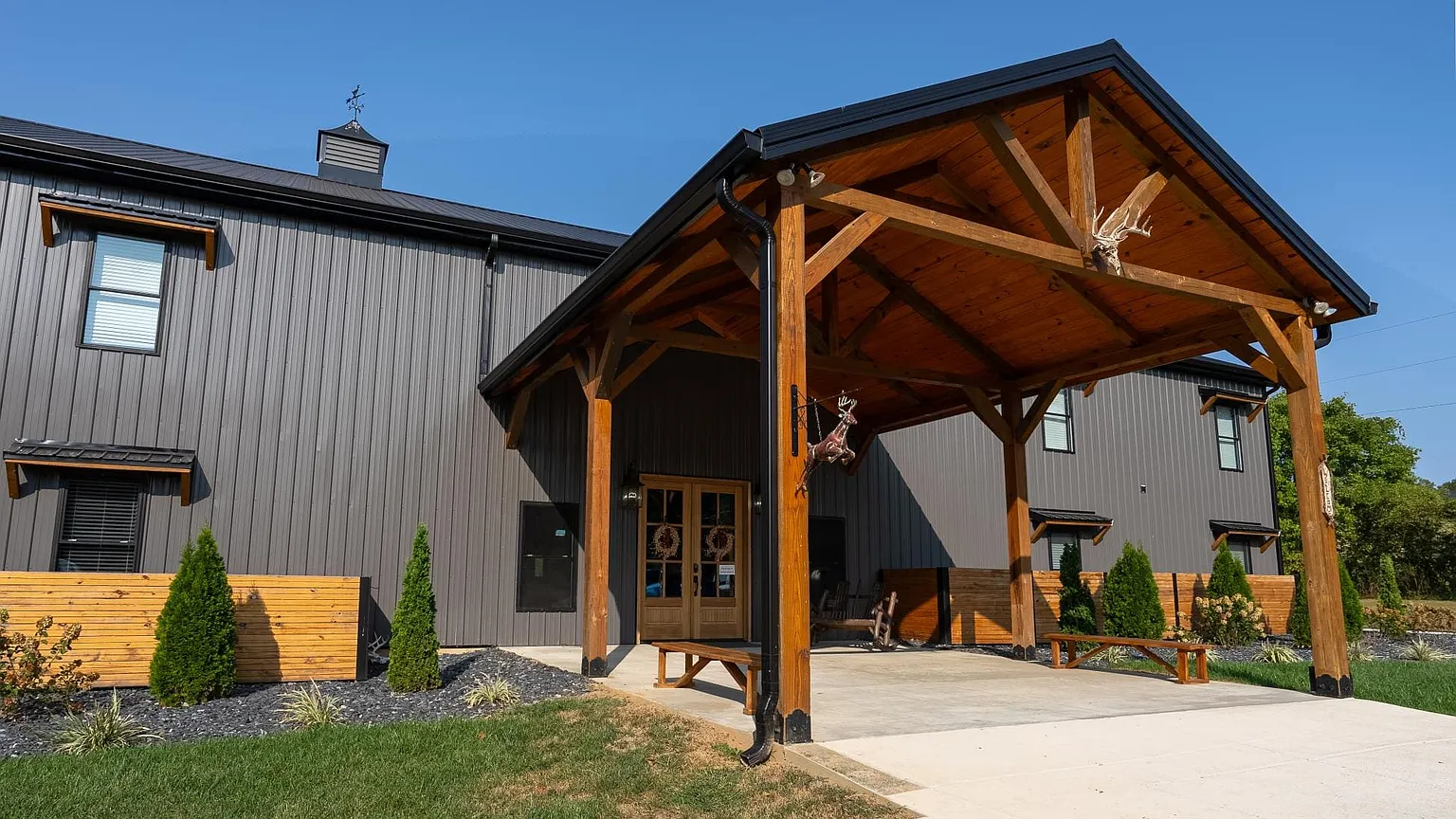
The location of a mental health clinic is an underrated factor but if you are planning to sign up for residential dissociative disorder treatment in Kentucky, you should select a facility close to where you live to make sure you can travel to us without any issues. Look at the map below to find out how to get to Kentucky Wellness Center. In addition to that, visit the Virtual Tour page of our clinic will allow you to make a more informed decision.
Whether you have been suffering from a dissociative disorder for a long time or the onset of symptoms occurred recently, it is important to seek professional help. Our dissociative disorder specialists are equipped with the knowledge and skills to help you overcome the most severe manifestations of the condition so if you are looking for inpatient dissociative disorder treatment in Kentucky, you should schedule a consultation with us.
Reach out to Kentucky Wellness Center – call (270) 355-7231 or refer to our Contact Us page to begin a healing journey and feel more in control of your life.
Yes, our facility accepts most insurance plans – we try to accommodate our clients to the best of our ability. You can find out more if you visit our Verify Insurance page.
You will get access to diverse therapy modalities in a home-like and serene setting – intensive individual therapy sessions are combined with group therapy so you can build healthy coping skills, develop useful habits, and benefit from the support of the community.
It is up to you and your therapist to determine what therapeutic approaches you should rely on to overcome dissociative disorder. Nevertheless, most patients benefit from trauma-focused care and cognitive and behavioral strategies – for example, dialectical behavior therapy (DBT) can help you cope with emotional dysregulation and disconnection.
Our recovery center offers various treatment options – from more flexible options, which are recommended for patients who do not require round-the-clock care, to other forms of treatment that are the right solution for individuals who want to take a break from their day-to-day responsibilities and fully focus on their recovery.
Dissociation is a common experience – brief moments of daydreaming, zoning out, or feeling detached during stress. A dissociative disorder is diagnosed when dissociation becomes persistent, involuntary, and disruptive to daily functioning. The key distinction is frequency, severity, and impairment – if dissociative episodes cause memory gaps, identity confusion, or an inability to maintain relationships and responsibilities, professional evaluation is warranted.
Yes. Residential dissociative disorder treatment provides the structured, consistent environment that stabilization requires – round-the-clock clinical support, predictable daily routines, and removal from the triggers and stressors that may be reinforcing dissociative episodes at home. Our residential mental health treatment program is especially beneficial for individuals whose symptoms have become severe enough to impair daily functioning.
Our dissociative disorder specialists conduct a thorough evaluation that includes clinical interviews, symptom assessment, and screening for co-occurring conditions. This evaluation informs a treatment plan tailored to your specific presentation – because the type, severity, and triggers of dissociation vary significantly between individuals, no two plans are identical.