
 Skip to content
 Acute stress disorder (ASD) is a tricky condition – while it does not last long, it can easily transform into a more serious disorder and cause numerous health complications for the individual who chooses to disregard their symptoms and hopes the problem will disappear on its own. Talking to a mental health professional is imperative for your long-term health, and our state-of-the-art facility offers treatment for acute stress disorder near Kentucky to every individual in need of our support and guidance.
Reach out to Kentucky Wellness Center now at (270) 355-7231 or refer to our Contact Us page and get access to compassionate and comprehensive care that will change your life for the better.

Hana Giambrone

Lori Humphrie

Dr. Jason Miller
Acute stress disorder refers to a short-term anxiety disorder that can harm the person’s emotional state right after they survive or witness a traumatic event. The individual in question will re-experience their trauma during the day and night, feel the need to suppress their memories associated with the event, and struggle with detachment from reality.
While there are people who can recover quickly after they are exposed to something frightening, others require immediate mental health intervention – otherwise they may suffer from their symptoms for quite a significant amount of time. As for the acute stress disorder duration, this condition typically lasts from three days to one month – the first manifestations occur very quickly and can be resolved within a few weeks as long as you commit to treatment.
Unfortunately, the symptoms of this disorder may overlap with the manifestations of other conditions – people diagnosed with acute stress disorder often develop post-traumatic stress disorder (PTSD) and depression. Co-occurring mental health conditions must be addressed at the same time, or the patient’s recovery process will last longer, and underlying mental health issues may reappear in the near future to impact their functioning further.





Acute stress disorder operates on a timeline that makes it simultaneously urgent and deceptive. Because the condition begins within days of the traumatic event and is expected to resolve within a month, many people assume they just need to “push through” – that the flashbacks, emotional numbness, and hyperarousal are temporary inconveniences that will fade on their own. In some cases, they do. But when they do not, the window for early intervention narrows, and the risk of developing PTSD increases with every week that passes without treatment.
In the days and weeks after the traumatic event, your ability to function at your normal level drops sharply. Concentration is impaired because your mind keeps returning to the event – replaying it, analyzing it, bracing for it to happen again. Work performance suffers. Conversations feel distant, as though they are happening behind glass. Sleep is fractured by distressing dreams or an inability to relax enough to fall asleep at all, and the fatigue that accumulates during the day makes everything harder.
Emotional responses during this period can feel foreign. You may swing between intense agitation and a flat numbness that concerns the people around you. Dissociative symptoms – feeling detached from your body, perceiving the world as unreal, or experiencing gaps in your memory of the event – add a disorienting quality that makes it difficult to trust your own perceptions. The combination of these symptoms leaves you feeling unstable at a time when stability is exactly what you need.
Kentucky Wellness Center provides the early intervention that prevents acute stress from becoming a long-term condition – the sooner you begin treatment, the more effectively we can stabilize your symptoms and redirect your recovery.
Acute stress disorder develops after the person is exposed to a traumatic event – sometimes, there is more than one distressing event that takes a toll on an individual’s psyche. If you experienced or witnessed physical assault, domestic violence, a car accident, military conflicts, natural disasters, or torture, it is likely that you will exhibit the signs of acute stress disorder.
While the events described above are hard to escape or fix in a short period of time, there are things you can do to minimize the effects of acute stress disorder on your life – talk to a mental health professional as soon as you are safe, enlist the support of your family and friends when you feel emotionally vulnerable, and do your best to stay away from situations that wear down your mental health.
The traumatic events that trigger acute stress disorder often activate or worsen pre-existing mental health conditions – and the stress response itself can create new vulnerabilities.
PTSD is the most significant co-occurring risk. Without treatment, a substantial percentage of individuals with ASD develop PTSD as their symptoms persist beyond the one-month diagnostic threshold. Dissociative disorders may emerge when the disconnection from reality that characterizes ASD becomes a habitual coping mechanism.
Sleep disorders are nearly universal during the acute phase – nightmares, insomnia, and hyperarousal make restful sleep extremely difficult, and the resulting deprivation amplifies every other symptom. Social isolation can begin rapidly as the person withdraws from their normal routines and relationships, and mood disorders may surface when the emotional instability of ASD interacts with underlying vulnerabilities.
Our clinical team at Kentucky Wellness Center evaluates the full scope of your mental health during intake – not just the acute symptoms. Identifying co-occurring conditions early allows us to build a treatment plan that prevents the cascading effect of untreated ASD on your broader mental health.
Acute stress disorder treatment options in Kentucky include traditional Therapy Modalities and unconventional methods of treatment. Most patients benefit from trauma-sensitive care that relies on cognitive behavioral therapy (CBT) and allows them to reframe negative thoughts they have about the distressing event especially if they keep blaming themselves for what happened. You can facilitate your recovery with art therapy and yoga therapy – reduce stress and anxiety and foster emotional resilience. A psychiatrist may prescribe you medication to help with fear-related symptoms or sleep issues – beta-blockers and benzodiazepines can enhance the effectiveness of psychotherapy.
Treatment for acute stress disorder can take place in outpatient or residential care. While the majority of individuals prefer the first option, it is possible that your symptoms become severe one or two weeks after the disturbing event which makes a residential treatment program the most reasonable solution in your case. Discuss available Levels of Care with your therapist after you undergo a mental health evaluation and transfer from one program to another if it is ever needed.
Because acute stress disorder is a time-sensitive condition, our approach prioritizes rapid stabilization. The goal during the early phase of treatment is to reduce the intensity of your symptoms – flashbacks, dissociation, hyperarousal – quickly enough to prevent them from consolidating into a chronic pattern.
Your therapist will introduce grounding and stabilization techniques first, helping you regain a sense of safety and control over your immediate experience. From there, early trauma processing begins – carefully paced to ensure you are not re-traumatized by engaging with the event before you are ready. The timing of this work is critical: intervening too late allows symptoms to harden, but intervening too aggressively can overwhelm a nervous system that is still in crisis.
Patients in our residential mental health treatment program benefit from the controlled environment and 24-hour support that the acute phase demands. When dissociative episodes, night terrors, or sudden emotional flooding occur – as they frequently do in the first weeks after trauma – clinical staff are present to provide immediate support. Medication may be recommended to manage sleep disruption and reduce the physiological intensity of the stress response during this period.
As stabilization progresses, your treatment transitions toward processing and recovery. Our aftercare and continuing support program provides the follow-up monitoring that ensures your symptoms do not re-emerge after discharge – a critical safeguard given the risk of delayed PTSD development.
Acute stress disorder treatment duration varies from one person to another – some people resonate with therapy modalities offered to them by their therapists and heal from the most challenging symptoms, while others need more time to recover and rebuild their lives. Still, due to the relatively short duration of the condition, it is possible to see improvement after one or two months of therapy. Do not delay mental health treatment so that your disorder does not transform into PTSD, which can be harder to deal with.
You will have an opportunity to work with experienced therapists and psychiatrists that have already helped numerous patients rebuild their lives, foster clearer thinking and daily functioning, and promote overall stability with evidence-based methods such as dialectical behavior therapy (DBT) and acceptance & commitment therapy (ACT).
Mindfulness-based therapeutic approaches such as animal-assisted therapy (AAT) and meditation therapy can be valuable tools in your recovery - they will help you cope with life stressors and replenish your energy when you feel emotionally and physically exhausted.
The routine and schedule of treatment at our clinic will provide you with the stability you need when acute stress disorder takes a toll on your psyche - spend time in a supportive and validating space where your concerns are taken seriously and focus on self-exploration and spiritual fulfillment.

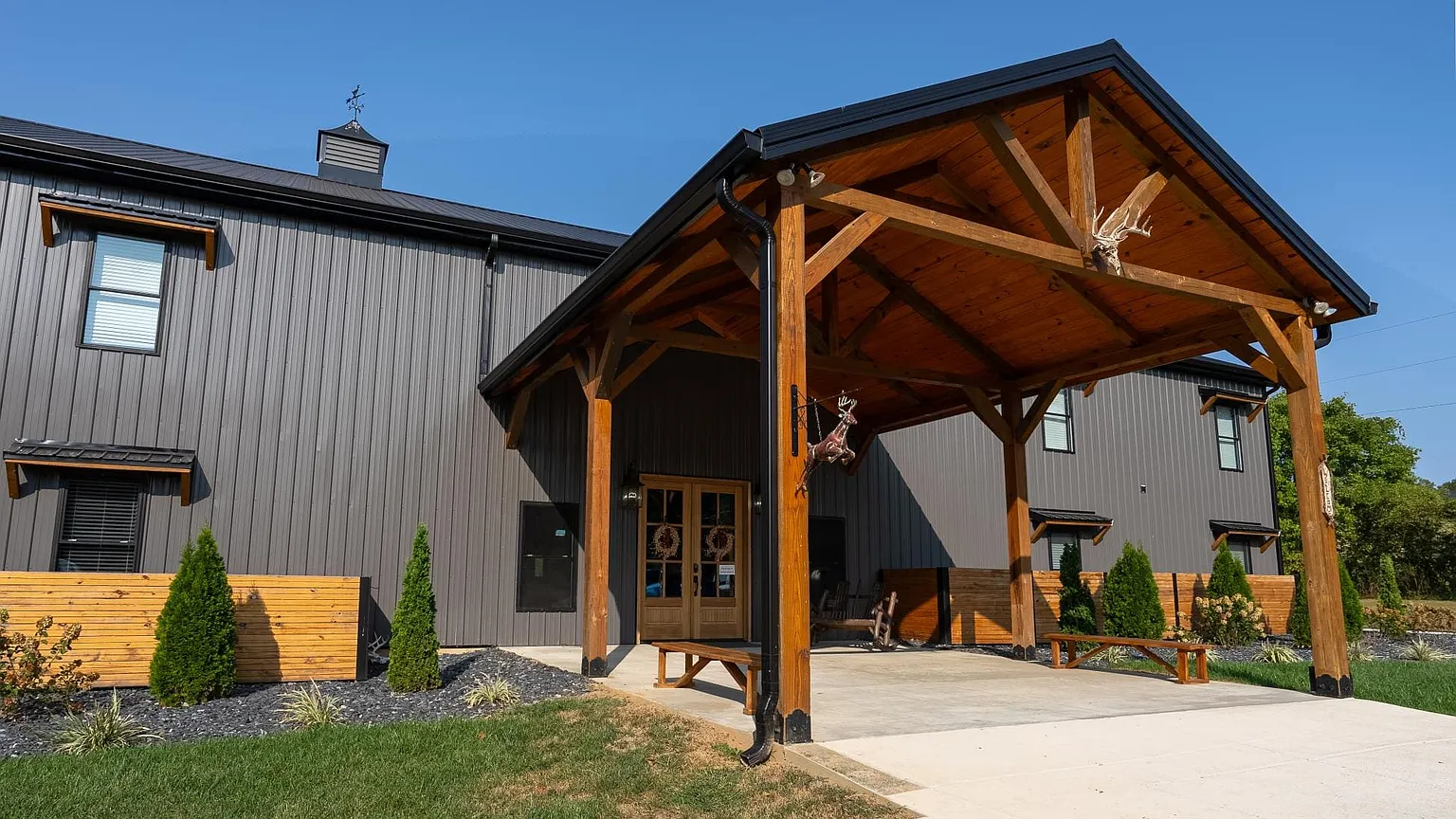
If you are looking for a facility that offers residential acute stress disorder treatment in Kentucky, our clinic is at your service. Regardless of the intensity of treatment you opt for, you should make sure you and your family can get to our facility with no issues. The map below will show you the location of Kentucky Wellness Center – additionally, you may take a look at our Virtual Tour page to learn more about our place.
When you feel like your life has been turned upside down by a major event whose consequences you are struggling with every day, do not hesitate to get in touch with mental health professionals to enlist their help. Our clinic can offer you a customized acute stress disorder treatment plan in Kentucky, mapped out in accordance with your needs and preferences to ensure this condition does not last too long and does not cause more problems in the future.
Contact Kentucky Wellness Center as soon as you can – you may call (270) 355-7231 or visit our Contact Us page to begin a transformative journey towards lasting wellness.
We work with most insurance providers so it is possible that we will accept your insurance plan. You can check coverage on our Verify Insurance page.
It will be up to you and your therapist to determine what therapeutic approaches suit you but most individuals recover with the assistance of individual therapy sessions, such as CBT and psychodynamic therapy.
You and your therapist will decide what form of treatment is preferable in your case – they will provide you with the acute stress disorder overview to educate you on the intricacies of this condition. Residential care is a great option for individuals who cannot handle the disorder on their own so you should consider this level of care if necessary.
You can schedule a consultation with us to confirm your diagnosis, check your insurance coverage, and discover more about the treatment programs we offer. Once the assessment is over and a mental health specialist confirms your symptoms match the official acute stress disorder criteria, you can start your recovery right away – same-day admissions are possible if the manifestations of the condition are too severe. See our Admissions Process page for more details.
Both conditions share core symptoms – flashbacks, avoidance, hyperarousal, and emotional distress – but ASD is diagnosed within the first month after the traumatic event. If symptoms persist beyond four weeks, the diagnosis may shift to PTSD. The overlap between the two conditions is one of the primary reasons early treatment for ASD is so important.
In some cases, mild ASD symptoms do resolve without formal treatment – particularly when the individual has strong social support and effective coping skills. However, a significant percentage of people with ASD go on to develop PTSD when symptoms are left untreated. A professional evaluation can determine whether your symptoms are likely to resolve or require intervention.
Prioritize physical safety first, then connect with people you trust. Avoid isolating yourself, try to maintain basic routines around sleep and meals, and seek a professional evaluation within the first few days if you notice symptoms like flashbacks, emotional numbness, or difficulty sleeping. Early intervention significantly improves outcomes for acute stress.