Skip to content






Meditation has moved from the margins of wellness culture into the clinical mainstream. Therapists now routinely integrate contemplative practices into evidence-based treatment plans for anxiety, depression, and trauma. Research consistently finds that regular meditation reduces symptoms, improves emotional regulation, and supports long-term recovery when paired with therapy and medical care.
Yet not all types of meditation practices look the same. Different techniques engage the mind and body in distinct ways, making some practices better suited to certain mental health challenges than others. Understanding the range of options—and how each one supports recovery—helps individuals and clinicians choose the right approach for the work ahead.
Mindfulness-Based Meditation Practices for Anxiety and Depression
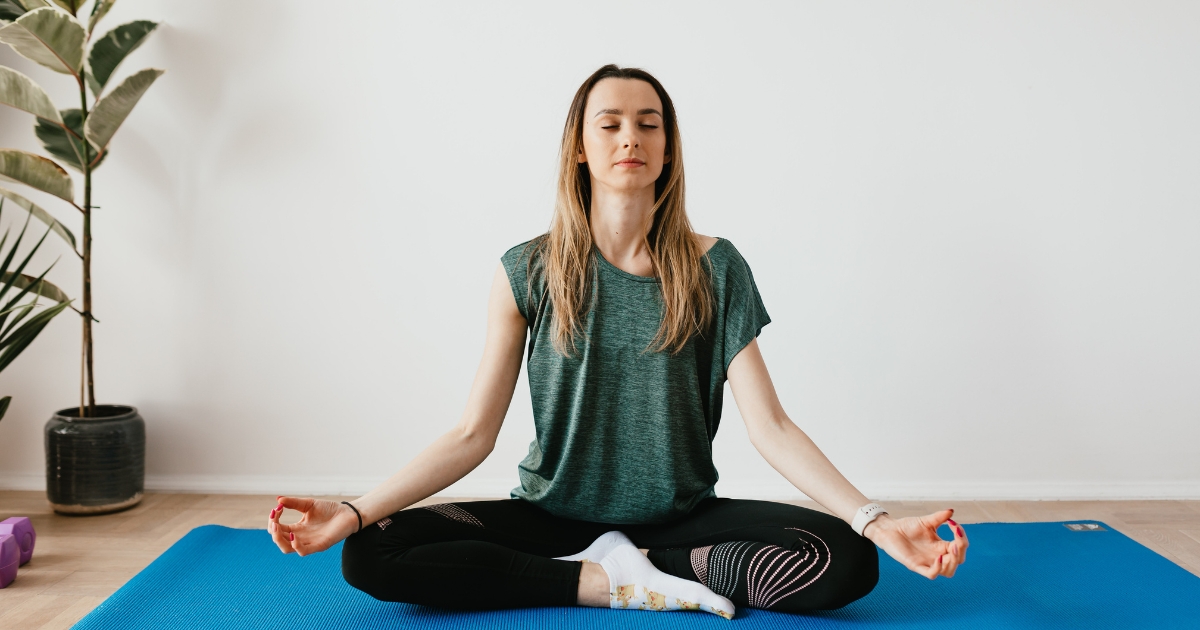
Mindfulness meditation asks practitioners to observe thoughts, emotions, and physical sensations as they arise, without judgment or attempts to change them. This present-moment awareness interrupts the cycle of rumination that fuels anxiety and depressive episodes. Instead of getting caught in loops of worry or self-criticism, individuals learn to notice these patterns and return attention to the breath or body.
Body scan meditation, a core mindfulness technique, guides attention systematically through different parts of the body, noting tension, numbness, or other sensations. This practice helps people reconnect with physical experience—especially valuable for those who dissociate during stress or have lost touch with bodily cues due to trauma.
Transcendental and Mantra-Based Meditation for Stress Reduction
Transcendental Meditation (TM) and other mantra-based meditation practices take a different route. Instead of observing thoughts, practitioners silently repeat a specific word or phrase—often assigned by a trained instructor—to settle the mind into deep rest. The repetition acts as a vehicle, carrying attention away from active thinking and into a state of relaxed alertness. Studies show that TM lowers cortisol and activates the parasympathetic nervous system.
For individuals managing stress triggers after leaving treatment, mantra meditation offers a structured anchor. Research on veterans with PTSD suggests that TM may reduce hyperarousal and intrusive symptoms, pointing to potential benefits for trauma-related stress.
Understanding mindfulness vs transcendental meditation helps clarify which approach fits best. Mindfulness cultivates awareness of the present moment, while TM aims to transcend active thought altogether. The table below outlines key differences:
| Feature | Mindfulness Meditation | Transcendental Meditation |
|---|---|---|
| Primary Focus | Present-moment awareness of breath, body, thoughts | Silent repetition of a personal mantra |
| Instruction Requirement | Can be self-taught via apps, books, or free resources | Typically requires formal training and a personalized mantra |
| Session Length | Flexible; 5–45 minutes common | Standard 20-minute sessions, twice daily |
| Best For | Anxiety, depression, emotional regulation, trauma processing | Chronic stress, hypertension, PTSD hyperarousal, busy minds |
Trauma-Informed and Movement-Based Meditation Techniques
For trauma survivors, sitting still and turning attention inward can trigger distress rather than calm. Flashbacks and somatic memories may surface when the body is quiet. Trauma-informed meditation practices address this by incorporating gentle movement, compassion-focused imagery, or external anchors that keep individuals grounded in the present.
Loving-Kindness Meditation
Loving-kindness meditation (also called metta) guides practitioners to silently repeat phrases of goodwill—first toward themselves, then toward others—cultivating self-compassion and countering shame common in PTSD. Neuroimaging studies suggest that regular loving-kindness practice may increase activity in brain regions associated with empathy and positive emotion, while reducing reactivity in the amygdala.
Walking and Movement Meditation
Walking meditation shifts focus to the physical act of moving—the sensation of feet touching the ground, the rhythm of steps, the movement of arms. This embodied practice helps individuals who feel unsafe or disconnected during seated meditation. It’s particularly useful in residential treatment settings, where clients can walk a designated path outdoors or pace a quiet hallway. The combination of movement and mindfulness supports emotional regulation without requiring stillness.
Meditation styles for mental health must account for the nervous system’s state. When someone is in a hyperaroused or hypoaroused state due to trauma, asking them to sit and breathe may not be therapeutic. Movement-based and compassion-focused practices meet people where they are, building safety and self-trust before progressing to more internally focused work.
Voice-Led Meditation for Focus and Emotional Healing
What is guided meditation? Among types of meditation practices, it’s one led by a voice—live or recorded—that directs attention through imagery, body awareness, or a narrative journey. These sessions remove the burden of structuring the practice, making them ideal for beginners or anyone whose mind wanders easily. The voice serves as an anchor, gently redirecting attention when thoughts drift.
Meditation for anxiety and stress often takes a guided form in clinical settings. Therapists use scripts tailored to the individual’s triggers, gradually exposing them to distressing thoughts or sensations in a controlled, supportive way. This mirrors exposure therapy principles, helping clients build tolerance for discomfort without avoidance or numbing behaviors.
How to Choose a Meditation Style That Fits Your Recovery Goals
Selecting from the many types of meditation practices available requires honest reflection on what you’re working with. Anxiety and panic attacks respond well to breath-focused mindfulness, which interrupts the fight-or-flight response. Depression benefits from loving-kindness and body scan practices that counter numbness and self-criticism. Trauma survivors often need movement-based or guided approaches that prioritize safety and grounding.
Which meditation practice is right for me? The answer depends on your symptoms, your comfort with stillness, and whether you prefer structure or flexibility. The table below offers a quick reference:
| Primary Concern | Recommended Practice | Why It Helps |
|---|---|---|
| Generalized anxiety, racing thoughts | Breath-focused mindfulness | Anchors attention, interrupts rumination, calms nervous system |
| Depression, low motivation, numbness | Loving-kindness, body scan | Builds self-compassion, reconnects with physical sensations |
| PTSD, trauma history, dissociation | Walking meditation, guided grounding | Maintains present-moment awareness without triggering flashbacks |
| Chronic stress, burnout | Transcendental Meditation, body scan | Activates relaxation response, lowers cortisol |
Integrating Meditation Into Mental Health Treatment Plans
Meditation is not a replacement for therapy or structured treatment—it’s a complement. Benefits of different meditation methods emerge most powerfully when these practices are woven into a broader clinical plan.
Clinicians trained in integrative care teach clients how to use meditation as a real-time coping skill. When anxiety spikes, a three-minute body scan can prevent escalation. These aren’t abstract wellness concepts—they’re practical tools that change outcomes.
Professional support also helps when meditation feels difficult or triggering. Some people encounter intense emotions during practice. A therapist can help process what arises or adjust the technique.
Find Your Center—and Your Path Forward at Kentucky Wellness Center
Choosing the right contemplative practice is part of the larger work of recovery, and you don’t have to figure it out alone. Kentucky Wellness Center integrates evidence-based meditation and mindfulness training into individualized treatment plans for anxiety, depression, and trauma. Our clinical team helps you explore different approaches, practice under guidance, and build a sustainable routine that supports long-term healing. Whether you’re new to meditation or looking to deepen an existing practice within a therapeutic setting, we’re here to walk that path with you. Reach out today to learn how our programs can support your recovery goals.
FAQs
Below are answers to common questions about meditation and mental health recovery.
1. What is the easiest type of meditation for beginners with anxiety?
Guided meditation or breath-focused mindfulness are ideal starting points because they provide structure and an anchor for attention. These practices require no prior experience and can be done in sessions as short as five minutes, making them accessible even when anxiety is high.
2. How is mindfulness meditation different from transcendental meditation?
Mindfulness focuses on present-moment awareness of thoughts, sensations, and breath without judgment, while transcendental meditation uses a personal mantra repeated silently to transcend active thinking. Mindfulness is more accessible for self-practice, whereas TM typically requires formal instruction and a personalized mantra.
3. Can meditation replace therapy for mental health conditions?
Meditation is a powerful complementary tool but should not replace professional treatment for clinical mental health conditions. It works best when integrated with evidence-based therapies and treatment plans tailored to individual needs.
4. Which meditation practice is best for managing difficult emotions?
Mindfulness meditation and body scan techniques help individuals observe difficult emotions without immediately reacting, creating space between the feeling and the response. Loving-kindness meditation can also help address underlying shame or self-criticism that often surface during hard moments, making it a valuable addition to a broader toolkit for emotional well-being.
5. How long does it take to see mental health benefits from meditation?
Many people notice reduced anxiety and improved emotional regulation within a few weeks of consistent daily practice. Neurological changes and deeper therapeutic benefits typically emerge after several weeks to a few months of regular meditation.