Skip to content






Being emotionally reserved is often misunderstood as coldness or indifference, but the reality is far more nuanced. Many people who identify with this trait simply process feelings internally, prefer privacy around vulnerability, or have learned to protect themselves after difficult experiences. When you examine your emotional boundaries, you can recognize whether they serve you or have become walls that limit connection and well-being. The question of what it means to be emotionally reserved has a personal answer.
This blog explores the psychological roots of emotional reserve, the distinction between being reserved versus emotionally unavailable, and when protective distance becomes a barrier worth addressing. Whether you’re assessing your own tendencies or trying to understand someone close to you, recognizing the signs and causes can be the first step toward healthier emotional expression.
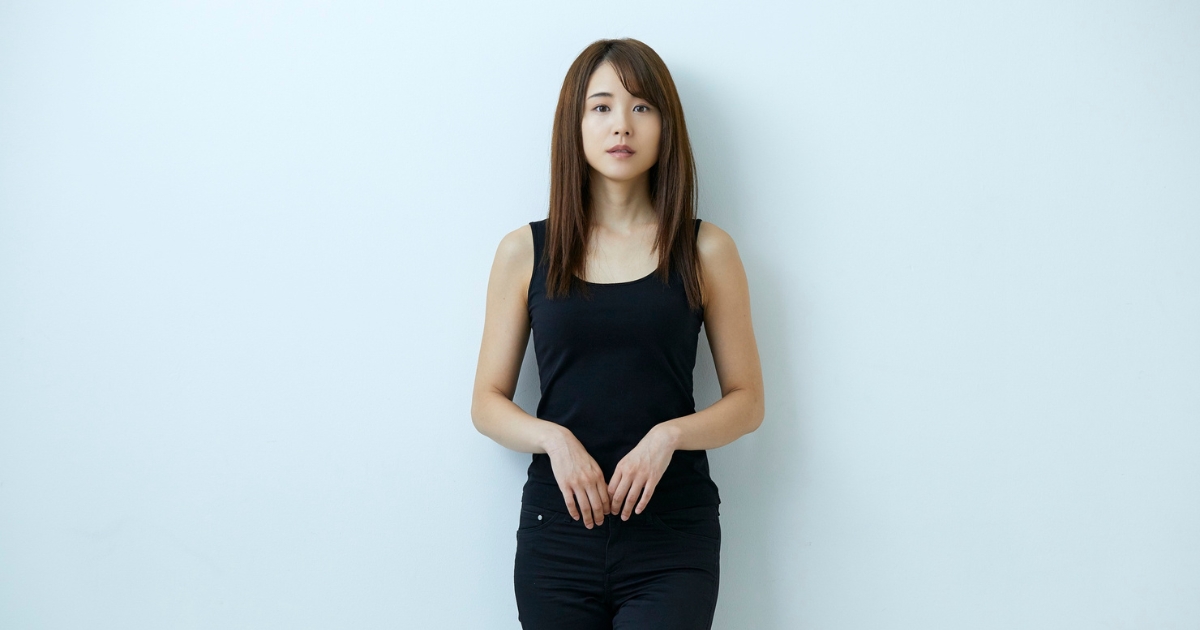
The Real Meaning Behind Being Emotionally Reserved
At its core, being emotionally reserved describes a tendency to keep feelings private, share personal thoughts selectively, and maintain composure even during stressful situations. They simply don’t wear their emotions on their sleeves or seek external validation through frequent emotional disclosure.
However, the distinction between emotionally distant vs emotionally reserved matters. Emotional distance often involves active withdrawal, difficulty forming attachments, or an inability to respond to others’ emotional needs. Reserve, by contrast, can coexist with genuine care and connection—it’s more about the style of expression than the capacity for feeling. Someone who is reserved may deeply love their family yet rarely say “I love you” aloud, preferring actions over words.
Cultural context shapes how emotional reserve is perceived and practiced. Men in particular often receive messages that emotional expression signals weakness, while women may be taught to prioritize others’ comfort over their own emotional needs. These regional norms can reinforce reserve as a default mode, making it harder to recognize the point at which protective patterns have hardened into rigid emotional walls in relationships.
Signs You Might Be Emotionally Reserved and Why It Happens
Emotionally reserved individuals often share certain behavioral patterns that, while functional in some contexts, can create challenges in relationships and personal growth.
- You feel uncomfortable when others express strong emotions around you, preferring to change the subject or offer practical solutions rather than sit with feelings.
- During stressful times, your instinct is to withdraw and handle things alone rather than reach out for support.
- You struggle to name or describe your emotions beyond broad categories like “fine” or “stressed.”
- Vulnerability feels dangerous or embarrassing, even with people you trust.
The table below outlines common root causes and how each shapes emotional reserve patterns.
| Root Cause | How It Shapes Emotional Reserve |
|---|---|
| Childhood Trauma | Expressing emotions led to negative consequences, so suppression became protective. |
| Avoidant Attachment | Caregivers dismissed emotional needs, teaching that self-reliance is safer than vulnerability. |
| Cultural Messaging | Societal norms around stoicism and emotional control reinforce reserve as a valued trait. |
| Mental Health Conditions | Depression and anxiety make internal experiences overwhelming, leading to emotional shutdown. |
When Emotional Reserve Becomes a Barrier to Connection and Well-being
Healthy emotional boundaries are essential—they protect your energy, allow you to process experiences privately, and prevent oversharing in inappropriate contexts. But when reserve hardens into walls, the costs accumulate. Partners, friends, or family members feel consistently shut out. They may interpret your silence as disinterest, your composure as coldness, or your self-reliance as rejection. Over time, this dynamic erodes trust and intimacy, leaving both parties feeling lonely even while together. Understanding what being emotionally reserved means in your specific relationships can help you identify whether the pattern is protective or isolating.
The internal toll is equally significant. Chronic emotional suppression is linked to increased anxiety, depression, and physical health problems.
Career and personal fulfillment can also suffer. If you’re asking yourself, “Why am I so guarded with my feelings?”, consider whether this pattern limits your professional growth or prevents you from pursuing opportunities that require vulnerability. The protective distance that once kept you safe may now be the very thing holding you back from the life you want.
Self-Assessment: Is Your Emotional Reserve Serving or Limiting You?
Ask yourself these questions to gauge whether what emotionally reserved means for you has shifted from a healthy boundary to a problematic barrier. Do people you care about frequently express frustration that they don’t know how you feel? Do you feel isolated even when surrounded by others? When something difficult happens, do you have anyone you feel safe turning to, or do you always handle things alone? If these patterns resonate and cause distress, professional support can help you explore how to open up emotionally without losing the boundaries that protect you.
The Difference Between Introvert and Emotionally Reserved
It’s common to conflate introversion with keeping feelings private, but they’re distinct traits. Introversion describes how you recharge—introverts gain energy from solitude and lose it in large social settings. This preference for quiet doesn’t mean introverts are emotionally guarded.
Emotional reserve, on the other hand, concerns how freely you share internal experiences regardless of social energy. An introvert might spend a quiet evening journaling about their feelings or having a vulnerable conversation with a trusted friend. An emotionally reserved person—whether introverted or extroverted—keeps those feelings private, struggles to articulate them even when alone, or deflects when others ask how they’re doing. You can be an extroverted life-of-the-party type who still never lets anyone see beneath the surface.
| Trait | Introversion | Emotional Reserve |
|---|---|---|
| Core Concern | Social energy and stimulation preferences | Comfort with emotional expression and vulnerability |
| Relationship Impact | May prefer smaller gatherings but connects deeply in intimate settings | Struggles to share feelings even in close relationships |
| Self-Awareness | Often highly attuned to one’s own emotions through reflection | May have difficulty identifying or naming feelings |
| Origin | Largely temperamental and neurological | Often shaped by trauma, attachment, or cultural conditioning |
Practical Steps to Express Emotions Better
If you’ve recognized that your emotional reserve has become limiting, the good news is that change is possible. Learning how to express emotions better doesn’t mean oversharing or losing your sense of privacy—it means expanding your capacity to connect authentically when it matters. Start small. Journaling is a low-stakes way to practice naming feelings without an audience. Write about your day and challenge yourself to go beyond “fine” or “busy”—identify specific emotions like frustration, disappointment, relief, or gratitude.
Next, practice with a trusted person. Choose someone who has earned your trust and start with lower-stakes disclosures. You might share a worry about work, a memory that’s been on your mind, or a hope for the future.
Professional support accelerates this process. Trauma-informed therapy helps you understand the origins of your emotional walls and provides tools to dismantle them safely, using approaches like cognitive-behavioral therapy, somatic therapy, and EMDR.

Finding Support When You’re Ready at Kentucky Wellness Center
Recognizing that your emotional reserve has become a barrier is an act of courage, not weakness. Many people spend years questioning the emotionally reserved meaning in their lives before acknowledging the cost. If you’re reading this and seeing yourself in these patterns, know that seeking help is a sign of strength and self-awareness. Change doesn’t happen overnight, but with the right support, you can learn to express feelings more freely while maintaining the boundaries that protect your wellbeing.
Kentucky Wellness Center offers trauma-informed care designed for individuals whose emotional reserve stems from past experiences or untreated mental health conditions. Our clinicians provide evidence-based therapies, including EMDR, somatic therapy, and cognitive-behavioral approaches, tailored to your unique needs. Whether you’re struggling with signs of emotional unavailability, feeling isolated despite being surrounded by people, or simply ready to explore a different way of connecting, our team is here to walk alongside you. Call us today to learn how we can support your journey toward healthier emotional expression.
FAQs
Below are answers to common questions about emotional reserve, its causes, and pathways toward healthier expression.
1. What’s the difference between being introverted and emotionally reserved?
Introversion refers to how you recharge socially—introverts need solitude to restore energy, but can be deeply emotionally expressive with close friends. Emotional reserve concerns how freely you share feelings regardless of social preferences, meaning you can be extroverted yet still keep emotions tightly guarded.
2. Can trauma make you emotionally reserved?
Yes, trauma and emotional detachment are closely linked. When expressing needs or feelings led to negative consequences in childhood, the brain learns to suppress emotions as a protective mechanism. This pattern often persists into adulthood, even after the original threat is gone.
3. How can I tell if I’m emotionally reserved or just have healthy boundaries?
Healthy boundaries allow you to protect your energy while still connecting authentically with trusted people—reserve becomes problematic when it prevents intimacy entirely. If you can’t share feelings even with safe people, when relationships repeatedly fail because others feel shut out, or when suppressing emotions causes distress or physical symptoms, professional support may be appropriate.
4. Is being emotionally reserved bad for relationships?
It becomes problematic when partners, friends, or family feel consistently unable to know you or connect with you emotionally. Many relationships can accommodate some reserve, but when it prevents intimacy or leaves others feeling rejected, it creates distance that erodes trust over time.
5. What are the first steps to becoming less emotionally guarded?
Start by practicing emotional awareness through journaling—name specific feelings beyond “fine” or “stressed.” Then share something small with a trusted person and notice what happens. Professional therapy, especially trauma-informed approaches, provides structured support for dismantling emotional walls safely.