Skip to content



Mental health treatment has long been largely involved in symptom reduction. Take the medication. Attend the sessions. Manage the diagnosis. That will work – and all too soon it may fall a little short of what people really need. Recovery-oriented mental health care goes beyond that.
It poses another question: not only how do we lessen symptoms, but also how do we assist this individual in establishing a life worth living? That change in emphasis alters all – the manner of treatment design, evaluation of progress, and the degree to which the individual influences their own recovery. This blog describes the appearance of recovery-oriented care and why it brings more positive results in the long term.
What Is Recovery-Oriented Mental Health Care?
Recovery-oriented care is a concept of mental health care that is constructed on the premise that everyone can recover, not to the past but to continue the process of creating a meaningful, self-directed life despite continuing mental health issues.
The National Institute of Mental Health (NIMH) argues that being mentally ill does not mean that one cannot recover, but rather that individuals can engage fully in the activities and relationships they value.
The main principles of recovery-oriented care are:
- Self-determination – the individual is the motivator of their treatment aims.
- Hope – there is always hope, no matter what has happened.
- Personalized care – care is constructed around the individual and not the diagnosis.
- Empowerment – Active participation, not just a passive recipient.
- Respect – dignity and lived experience are the key elements of each engagement.
- The big picture perspective – it is about the person and not clinical manifestations.
The Foundation of Person-Centered Treatment Approaches
Person-centered care ensures that the treatment decision revolves around the values, goals, and preferences of the individual. It does not question what is wrong with an individual and remedies this externally. It poses the question of what is important to this individual and how it can be made into care.
This model involves authentic cooperation between the individual and their care team – shared decision-making, open communication, and responsiveness to the changing needs or priorities of the person. Person-centered care is not less severe or less strict than usual treatment. It is more challenging since it entails the care team having a genuine understanding of the person they are treating.

Resilience Building and Psychosocial Rehabilitation Strategies
Psychosocial rehabilitation (PSR) deals with the functional, social, and practical aspects of mental health healing that cannot be achieved by medication and therapy. PSR assists individuals in reconstructing the skills and relationships destabilized by mental illness, namely work, relationships, day-to-day living, and community engagement. It is not concerned with normalizing someone.
It is not only about helping them create the very life they desire to lead and the very problems they have. The fundamental nature of PSR in recovery-oriented care is that it does not view the person as a clinical case and thus tries to address the overall human being with holistic and practical needs.
Strengthening Internal Resources for Long-Term Success
Being mentally healthy does not mean never having to struggle, but rather the internal and external resources to ensure that you are able to keep on living at the same level to overcome tough times. Development of such resources is a dynamic component of recovery-based care. The internal resources that PSR programs assist in strengthening are:
- Stress and setback coping skills, symptom flare coping skills.
- Self-awareness- being aware of your warning signs before a crisis arises.
- Personality and meaning outside of the mental health diagnosis.
- Increased decision-making and problem-solving.
Social Inclusion and Community Integration in Recovery
One of the most destructive effects of mental illness, one of the strongest obstacles to recovery, is social isolation. Individuals with a lack of meaningful social connections do not have a good mental health outcome and experience a higher relapse rate and reduced lifespan.
The Centers for Disease Control and Prevention (CDC) indicated that there is a direct relationship between social connectedness and mental health, where close social relationships with significant social ties are associated with a reduction in depression, anxiety, and psychological distress. Recovery-oriented care is a dynamic enterprise that seeks to mitigate isolation and promote community inclusion as clinical priorities, rather than an afterthought.
Community integration strategies used in recovery-oriented care include:
- Supported employment – assists individuals in searching for and maintaining meaningful employment.
- Supported education – helping with education objectives and accommodation requirements.
- Social skills training – it would be re-establishing the interpersonal skills that mental illness may destroy.
Empowerment Through Wellness Recovery Action Planning
Wellness Recovery Action Planning (also commonly referred to as WRAP) is a formalized self-management strategy that was created by mental health recovery leader Mary Ellen Copeland. It is user-friendly and created by individuals with lived experience of mental illness and places the latter in the driver’s seat of their treatment. A WRAP plan includes:
- Personal wellness toolbox – Things that the person does each day and plans to keep them well.
- The stimuli and antecedents – individual cues that something is changing.
- A crisis plan – explicit guidelines about what the individual desires to occur in case they are unable to care for themselves.
- Post-crisis plan – measures to take in order to recover after a challenging season.
Transforming Mental Health Outcomes at Kentucky Wellness Center
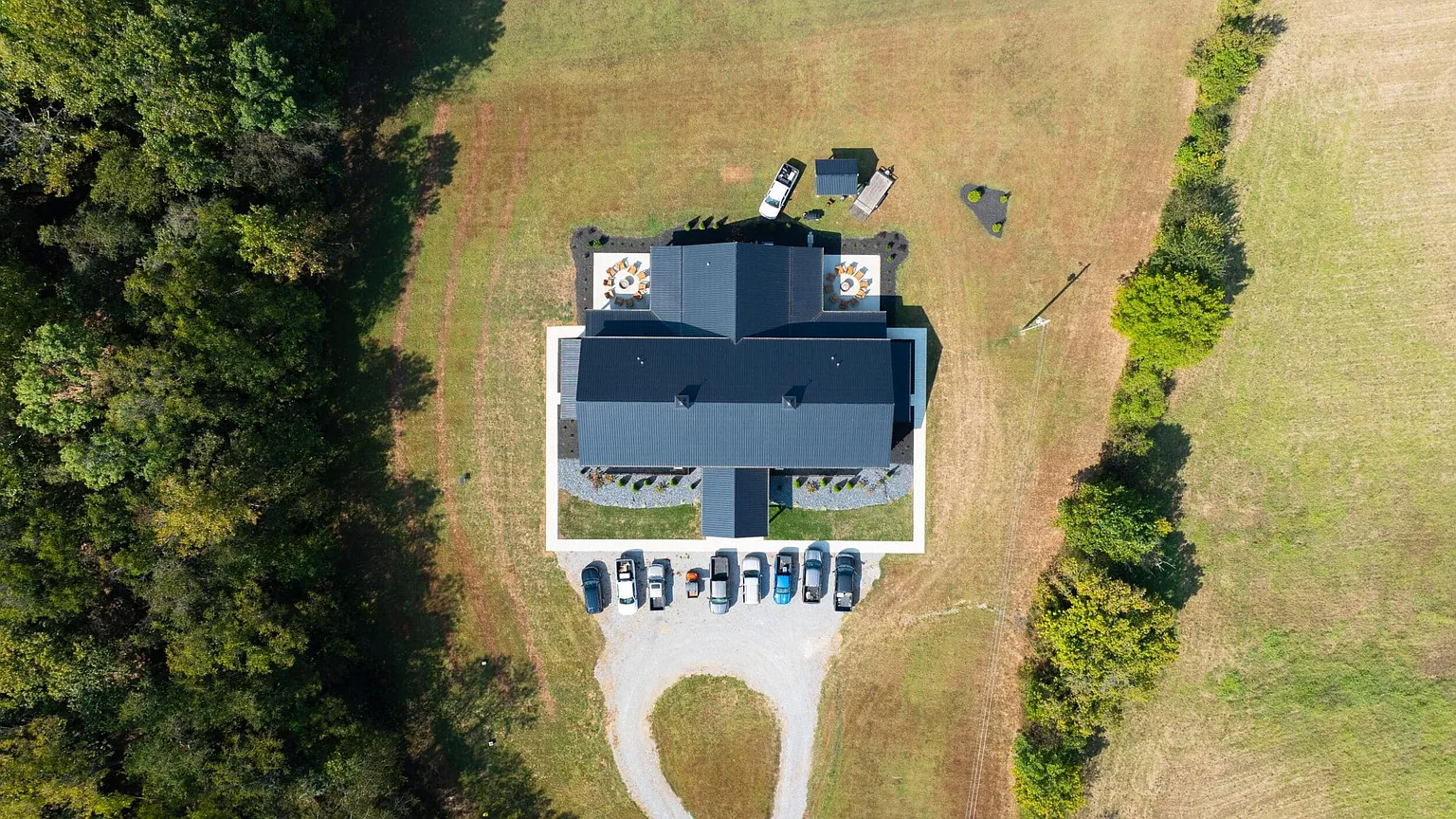
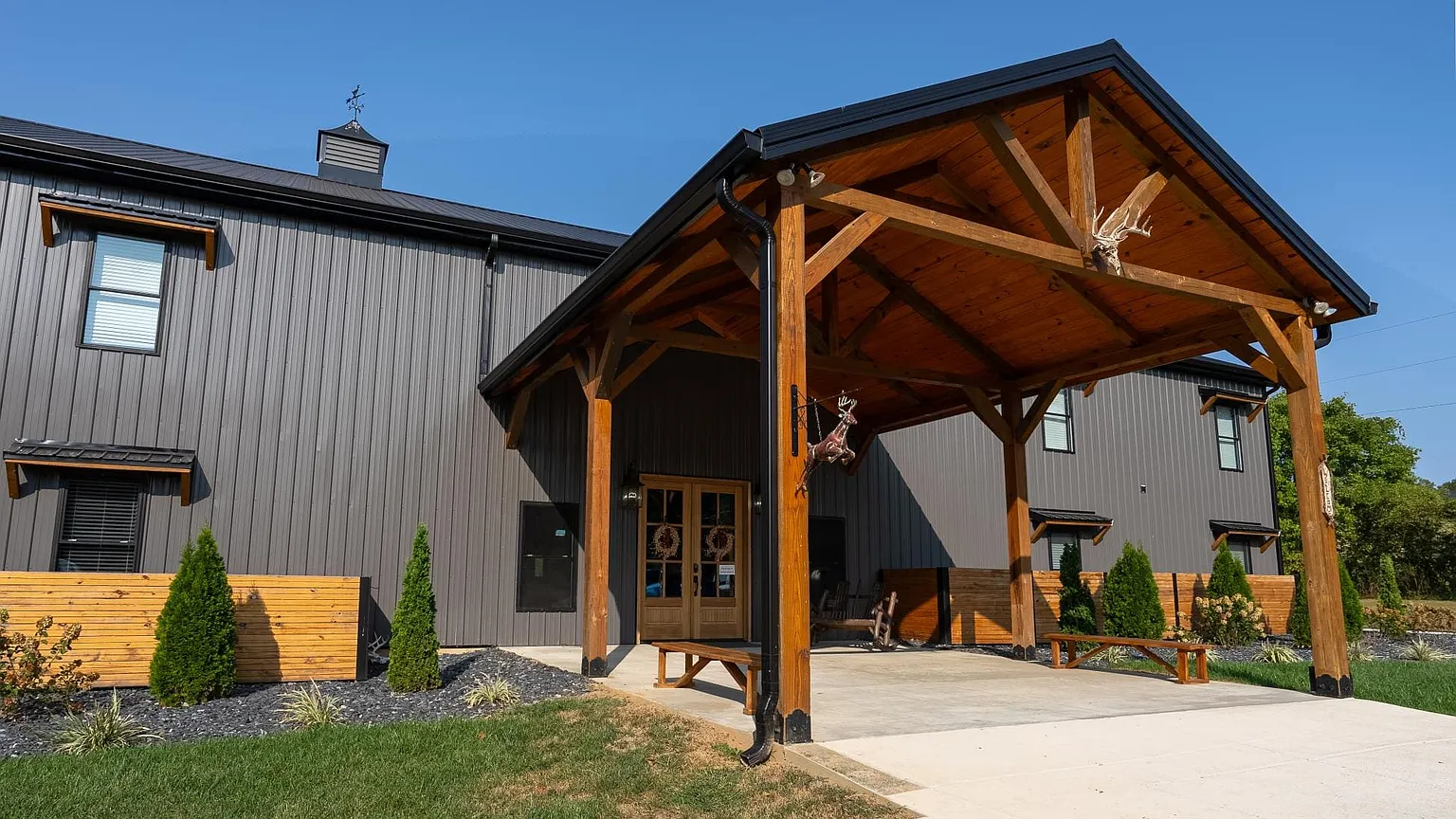
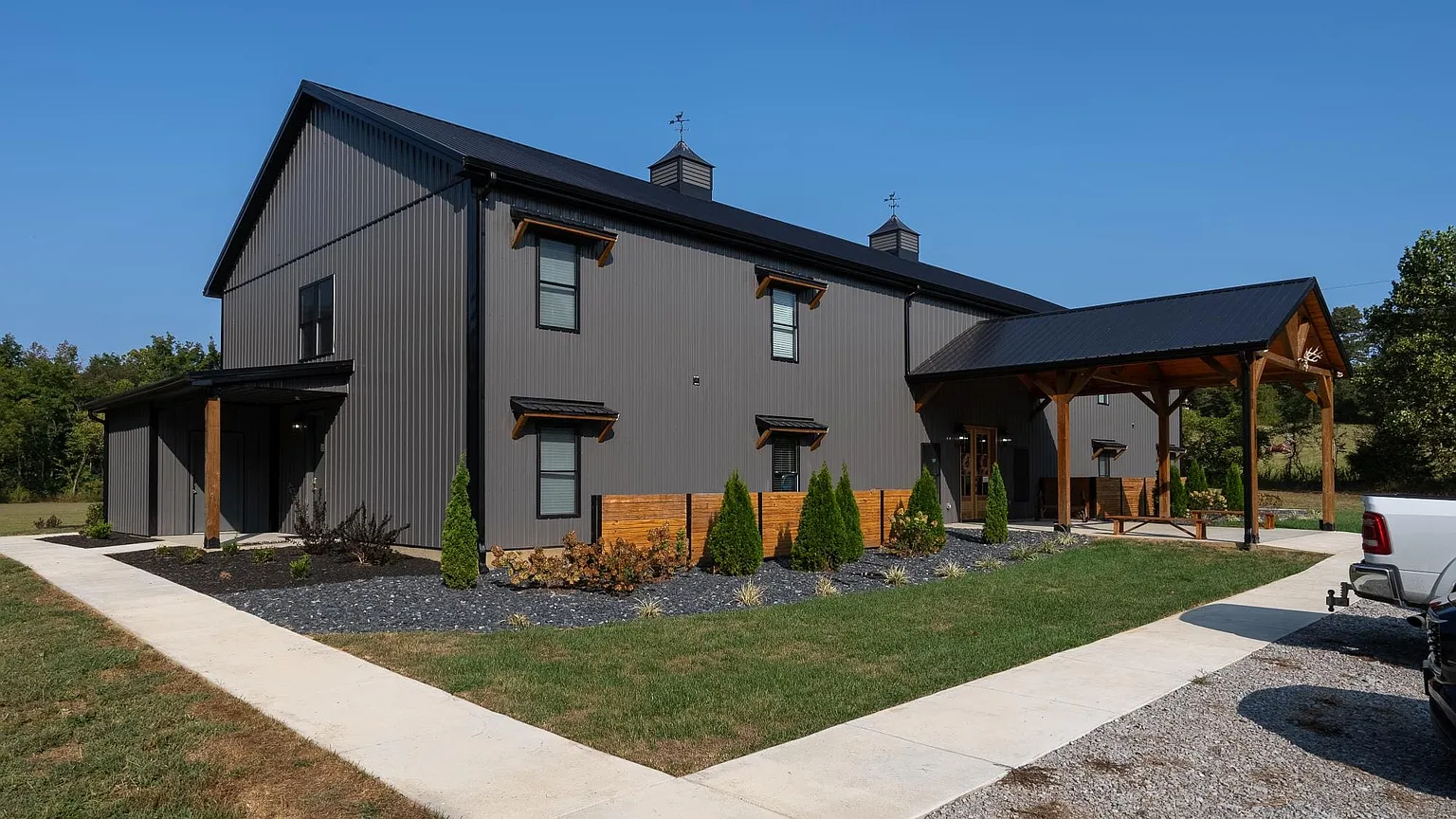
Recovery-oriented care is not a philosophy that stands isolated from clinical treatment. It is a model that enhances the effectiveness of clinical treatment through person-centredness of the intended treatment. Kentucky Wellness Center bases its model of care on principles of recovery orientation, such as personal plans, real collaboration, peer support, and the notion that all people are entitled to meaningful lives irrespective of their diagnosis or history.
Contact Kentucky Wellness Center and begin creating a recovery plan, based on what matters to you.

FAQs
1. How does peer support accelerate mental health recovery compared to traditional treatment alone?
Peer support offers hope, understanding, and practical advice that professional treatment cannot match, because it comes from someone who has been through the same experiences and emerged on the other side. Studies continually indicate that peer support plus professional treatment yields better results in terms of engagement and hospitalization and higher rates of long-term recovery than professional treatment.
2. What specific psychosocial rehabilitation techniques strengthen resilience in recovery-oriented care?
The most influential PSR methods to develop a resilient person are supported employment, social skills training, building independent living skills, and organized involvement in the community. These methods are effective because they restore the functional and social abilities that mental illness destroys, providing individuals with the practical basis by which they can continue to maintain recovery in non-clinical environments.
3. Can person-centered treatment plans improve long-term mental health outcomes and sustained wellness?
Yes – person-centered plans will always be more effective in engagement, increase treatment adherence, and lead to better long-term results compared to standardized plans since these plans are reflective of the real-life values and goals of the individual as opposed to a clinical template. Human beings will be more encouraged to pursue a course of action that they have developed and which embodies what is relevant to them in the first place.
4. Why does community integration matter for social inclusion in mental health recovery?
Relapse and exacerbation of mental health actively depend on social isolation, and meaningful community involvement offers purpose, connection, and identity, which contribute to long-lasting recovery. Integrity with community is not an accessory of recovery-oriented care, it is a clinical priority, since belonging and contribution are equal in importance to mental health as drugs and treatment itself.
5. How does Wellness Recovery Action Planning empower individuals to manage their mental health independently?
WRAP develops profound self-understanding: what the individual perceives as personal warning signals, what the individual can do to cope with a crisis, what the individual requires of other people when going through a crisis, and then converts that understanding into a written plan which is owned and controlled by the individual. This changes the individual, who is not an active participant in their mental health management, into an active receiver of care, where the professional assistance is provided, but not a requirement to make each choice.